
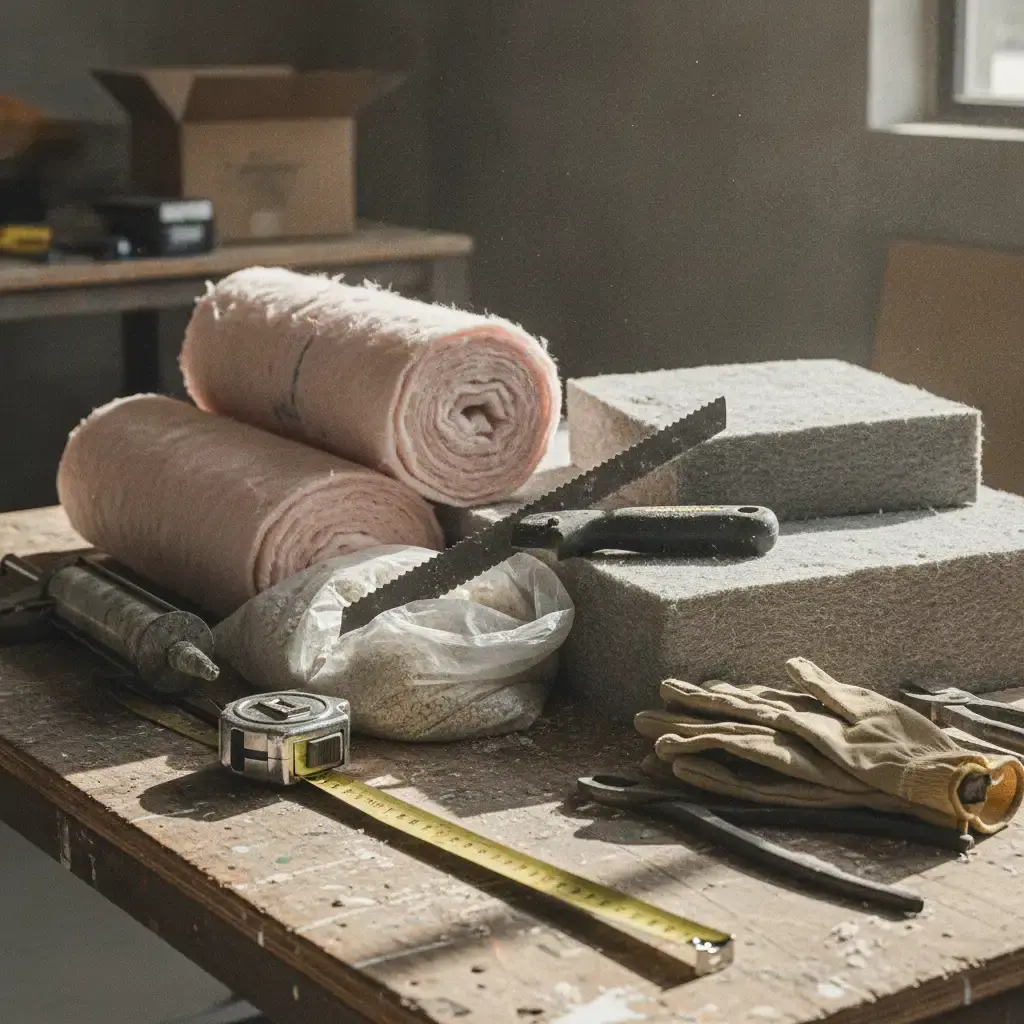
Crawl Space Encapsulation Cost in Signal Hill, CA
Transparent Crawl Space Encapsulation Cost Pricing for Signal Hill, CA Homeowners — Free Estimates
Discover crawl space encapsulation cost in Signal Hill, CA. Clear Price Attic Insulation offers transparent pricing, free assessments & expert service. Call (562) 784-7649.
Crawl space encapsulation is the process of sealing your home’s crawl space with heavy-duty vapor barriers, insulation, and moisture control systems to protect your structure from ground moisture, pests, mold, and energy loss. In Signal Hill, CA — a city built on an elevated oil-rich mesa in Los Angeles County — crawl spaces face a unique set of challenges including petroleum-adjacent soil conditions, coastal marine humidity rolling in from the nearby Pacific, and aging housing stock with outdated moisture protection.
At Clear Price Attic Insulation, we specialize in crawl space encapsulation services tailored specifically to the building types and environmental conditions found throughout Signal Hill and the surrounding communities. Our team delivers honest, transparent pricing with no hidden fees — so you always know exactly what your project will cost before work begins. Call us today at (562) 784-7649 to get started.
Understanding Crawl Space Encapsulation in Signal Hill
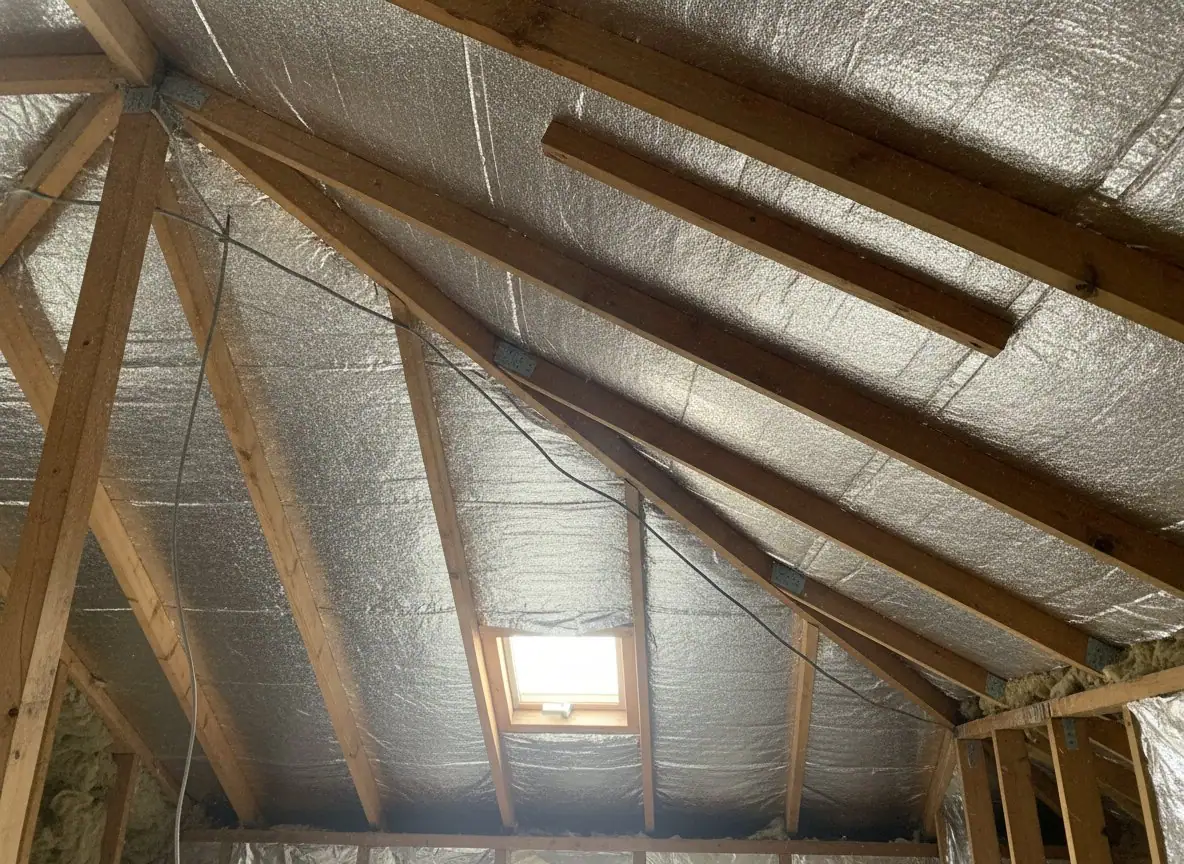
Crawl space encapsulation is a comprehensive moisture management solution that goes far beyond simply laying plastic sheeting on a dirt floor. A full encapsulation system typically includes a reinforced polyethylene vapor barrier (20-mil thickness is the industry standard), sealed foundation vents, rigid foam board insulation on crawl space walls, a conditioned air supply or dehumidifier, and sealing of all penetrations including plumbing and electrical entry points.
Historically, crawl spaces were designed with open vents to allow “natural” air circulation, a concept that became standard building practice in the early-to-mid 20th century. Signal Hill’s residential development boom in the 1940s through the 1960s — driven largely by the oil industry that transformed the hillside — left the city with a substantial inventory of post-war homes built under these older vented-crawl-space standards. Research conducted over the past two decades by building science organizations including the U.S. Department of Energy has since demonstrated that vented crawl spaces in humid and coastal climates actually draw in moist air, accelerating the very moisture problems they were meant to prevent.
Read moreShow less
In Signal Hill specifically, single-family homes, duplexes, and older multi-family structures built between 1945 and 1975 make up a significant portion of the residential building stock. Many of these properties still have original, unprotected crawl spaces with bare dirt floors, corroded or deteriorated vapor barriers from the 1970s, or no moisture protection at all. Townhomes and newer residential developments built after the 1994 Northridge Earthquake — which prompted updated seismic and building code revisions across Los Angeles County — may also require updated encapsulation systems as their original materials age past their useful lifespan of 10 to 25 years.
Encapsulation transforms a vented, conditioned crawl space into a clean, dry semi-conditioned space that supports healthy indoor air quality, reduces heating and cooling loads, and protects structural lumber from moisture-driven decay and pest infestation. Learn more about our crawl space insulation services
Why Crawl Space Encapsulation Is Needed in Signal Hill, CA
Marine Layer and Coastal Humidity
Signal Hill sits approximately 3.5 miles from the Pacific Ocean at an elevation of roughly 365 feet above sea level. This elevated position means the city captures coastal marine layer moisture with particular intensity. The “June Gloom” phenomenon — a persistent low-cloud marine layer that blankets coastal Los Angeles from May through August — keeps relative humidity levels elevated, often reaching 85% to 95% in the early morning hours. Ground-level moisture from marine air infiltrates unprotected crawl spaces nightly, accelerating wood rot, mold colonization, and deterioration of subfloor materials.
Petroleum-Adjacent Soil Conditions
Signal Hill was one of the most productive oil fields in California history. The Signal Hill Oil Field, discovered in 1921, produced over 1 billion barrels of oil over its active decades. Although active drilling has largely ceased or been regulated, the soil throughout Signal Hill neighborhoods such as Temple Avenue residential blocks and the hillside neighborhoods near Cherry Avenue still contains petroleum residues and disturbed, porous fill soils. These soil types drain poorly and retain moisture near the surface, creating persistently damp ground conditions directly beneath crawl spaces — even during dry summer months.
Seismic Activity and Foundation Movement
Los Angeles County is seismically active, and Signal Hill sits in close proximity to the Elsinore Fault Zone and has felt impacts from events including the 1987 Whittier Narrows Earthquake (magnitude 5.9) and the 1994 Northridge Earthquake (magnitude 6.7). Repeated ground movement — including minor tremors averaging 2.0 to 3.5 magnitude recorded several times per year — can crack foundation walls and vapor barriers, allowing moisture intrusion pathways that compound over time if not professionally repaired and re-encapsulated.
Aging Infrastructure in Established Neighborhoods
Neighborhoods including the residential streets near California Street, Burnett Street, and the Cherry-Lemon corridor contain homes built in the 1950s and 1960s. Many have original galvanized steel plumbing that now shows pinhole corrosion leaks — a slow, hidden moisture source inside crawl spaces. Older municipal water line infrastructure in these blocks also experiences periodic pressurized leaks that can saturate crawl space soil before they are detected.
Together, these Signal Hill-specific factors make professional crawl space encapsulation one of the highest-ROI home improvements available to local homeowners. Explore our full crawl space encapsulation services
Free, no-obligation estimates
Talk to Clear Price Attic Insulation
Tell us what you need and we’ll take it from there.
Signs You Need Crawl Space Encapsulation in Signal Hill
Moisture and Odor Signs
- Musty, earthy, or mildew odors rising from floors — especially noticeable during June Gloom mornings
- Visible condensation on floor joists, pipes, or ductwork when inspecting with a flashlight
- Standing water or wet soil visible in the crawl space after rain events or morning marine layer
- White efflorescence (salt deposits) forming on concrete foundation walls
Structural Warning Signs
- Soft, bouncy, or sagging floors — particularly in kitchens and bathrooms directly above the crawl space
- Visible mold or dark staining on subfloor sheathing or floor joists
- Cracked, deteriorated, or torn existing vapor barrier materials
- Wood rot or pest damage (termite mud tubes are common in Long Beach Basin soils) on structural lumber
Energy and Indoor Air Quality Signs
- Unexplained spikes in gas or electric utility bills — Signal Hill residents with SCE and SoCalGas accounts may notice 15–30% higher bills from conditioned air escaping through unsealed crawl spaces
- Allergy symptoms or respiratory irritation among household members, particularly children and elderly residents
- Cold floors during winter months (December through February in Signal Hill)
Urgency indicator: If you observe mold growth or standing water, contact a professional immediately — these conditions escalate rapidly in Signal Hill’s humid coastal environment.
Our process
Our Crawl Space Encapsulation Process in Signal Hill
Clear Price Attic Insulation follows a structured, proven encapsulation process adapted for Signal Hill’s specific soil, climate, and building conditions. Here’s what to expect from start to finish:
- 01
Free On-Site Assessment (1–2 Hours)
Our technician visits your Signal Hill property to conduct a thorough crawl space inspection. We measure the space (square footage and clearance height), assess existing vapor barriers, photograph moisture damage and mold, test humidity levels with calibrated
- 02
Detailed Written Estimate (Same Day or Next Business Day)
We provide a line-item written estimate with no vague pricing ranges. Signal Hill projects typically require specific adaptations such as reinforced 20-mil barriers for petroleum-adjacent soils, additional wall insulation for hillside foundations, and seismic-
- 03
Site Preparation (2–4 Hours)
Our crew removes all debris, deteriorated vapor barriers, and standing water from the crawl space. In Signal Hill homes with older galvanized plumbing, we note any active leak points for your plumber to address before encapsulation proceeds — protecting your i
- 04
Ground Barrier Installation (4–8 Hours)
We install a reinforced 20-mil polyethylene vapor barrier across the entire crawl space floor, overlapping seams by a minimum of 12 inches and taping all joints with manufacturer-approved seam tape. Barrier edges are mechanically fastened and sealed to foundat
- 05
Wall Insulation and Vent Sealing (3–5 Hours)
Rigid foam board insulation (R-10 to R-19 depending on wall depth) is installed on foundation walls. All existing crawl space vents are permanently sealed with rigid foam and spray foam to prevent coastal marine air infiltration — the single most common moistu
- 06
Dehumidification and Air Management Setup (1–2 Hours)
A commercial-grade dehumidifier sized for your specific crawl space square footage is installed and programmed to maintain relative humidity below 55% — the threshold above which mold cannot colonize. In some Signal Hill properties, a conditioned air supply fr
- 07
Final Inspection and Documentation (1 Hour)
We conduct a post-installation humidity and moisture reading, photograph the completed work, and provide you with a written completion report and maintenance schedule tailored to Signal Hill’s seasonal conditions. Total typical project timeline: 1–2 days for m
Crawl Space Encapsulation Methods for Signal Hill Homes
Full Encapsulation with Conditioned Air Supply
The gold standard for Signal Hill’s coastal humidity. A 20-mil reinforced barrier covers all soil surfaces, walls are insulated with rigid foam board, all vents are sealed, and conditioned air from the home’s HVAC system is circulated into the crawl space. This method is ideal for Signal Hill homes with HVAC systems in good condition and crawl spaces with clearances of 18 inches or greater. It delivers the most consistent humidity control against marine layer infiltration.
Full Encapsulation with Standalone Dehumidifier
Preferred for Signal Hill homes where connecting to existing HVAC is impractical — particularly 1950s-era properties with original duct configurations. A commercial dehumidifier (typically rated for 70–90 pints per day) maintains humidity control independently. This approach is particularly effective for hillside properties on Cherry Avenue and California Street where HVAC routing through crawl spaces is complex.
Partial Encapsulation with Enhanced Vapor Barrier
A budget-conscious option suitable for Signal Hill crawl spaces with mild moisture issues and adequate clearance. A 12-mil to 20-mil barrier is installed on the floor with wall coverage, but full dehumidification equipment is not included. Best for newer construction (post-1994) with less severe moisture histories.
Encapsulation Combined with Spray Foam Insulation
For Signal Hill homes with significant air leakage through rim joists and sill plates — common in older post-war construction — we apply closed-cell spray foam insulation to rim joist areas as part of the encapsulation project. This dual-action approach addresses both moisture and energy efficiency simultaneously. Learn more about spray foam insulation
Emergency Encapsulation After Water Intrusion
Following storm events, plumbing failures, or El Niño-driven rain events (Signal Hill recorded 16.5 inches of rainfall during the 2022–2023 El Niño season), emergency encapsulation projects include full moisture remediation, mold treatment, and accelerated installation to prevent structural damage escalation.
Crawl Space Encapsulation Cost in Signal Hill, CA
Understanding the true cost of crawl space encapsulation in Signal Hill helps homeowners budget appropriately and avoid being misled by suspiciously low quotes. At Clear Price Attic Insulation, we believe in complete pricing transparency — no bait-and-switch, no surprise add-ons.
Typical Price Ranges for Signal Hill Projects
- Basic vapor barrier installation only (per square foot): $1.50 – $3.00/sq ft
- Standard full encapsulation (up to 1,000 sq ft): $3,000 – $6,000
- Standard full encapsulation (1,000–2,500 sq ft): $6,000 – $12,000
- Full encapsulation with dehumidifier and wall insulation: $8,000 – $15,000 depending on crawl space size and complexity
- Encapsulation combined with spray foam rim joist sealing: Add $500 – $1,500 to base project cost
Read moreShow less
Signal Hill-Specific Cost Factors
Several local conditions can influence your final project cost. Signal Hill’s hillside terrain and limited street parking occasionally require additional labor for equipment staging. Petroleum-adjacent soils in Signal Hill’s historic oil field zones may require chemical-resistant vapor barrier materials, adding $0.50–$1.00 per square foot. Older foundation cracks from seismic activity require polyurethane or epoxy injection repair ($200–$600 per linear foot of crack) before encapsulation proceeds. Homes in hillside neighborhoods with steep site access may incur a site access surcharge of $150–$400.
Long-Term Value Perspective
Signal Hill homeowners typically see a 10–25% reduction in heating and cooling costs after encapsulation — representing significant savings on SCE and SoCalGas bills. Encapsulated crawl spaces also add measurable resale value and help pass home inspection contingencies in this competitive Southern California real estate market. See our insulation removal services if old materials need replacement
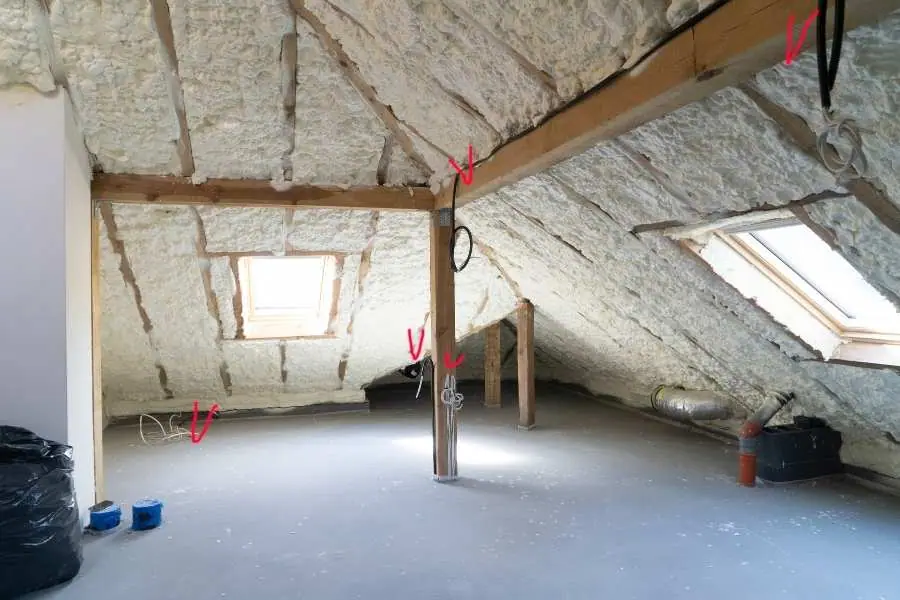
Signal Hill Neighborhoods We Serve
Signal Hill Hilltop Residential Area (Temple Avenue Corridor)
Homes built in the 1950s–1960s near Temple Avenue and 21st Street sit directly above historic oil field terrain. Petroleum-residue soils and porous fill material make chemical-resistant vapor barriers essential for properties in this zone.
Cherry Avenue and Burnett Street Neighborhoods
Mid-century single-family homes built between 1945 and 1965 dominate this area. Many retain original galvanized plumbing and unprotected vented crawl spaces, making full encapsulation upgrades both urgent and highly cost-effective.
California Street and Willow Street Corridor
A mix of post-war bungalows and 1970s-era multi-family residential buildings. Older multi-family structures here often have shared crawl spaces spanning multiple units — requiring coordinated encapsulation approaches across property boundaries.
Surrounding Service Areas
We also serve homeowners in Long Beach, Lakewood, Carson, Compton, Bellflower, Norwalk, Lynwood, Paramount, Hawaiian Gardens, Cerritos, Artesia, and all communities across the South Bay and Southeast LA County region. View all service areas
Crawl Space Encapsulation Maintenance Tips for Signal Hill Homeowners
Protecting your encapsulation investment requires periodic attention. Follow these Signal Hill-specific maintenance guidelines to maximize the lifespan of your system:
- Annual visual inspection: Inspect your crawl space every spring — particularly after Signal Hill’s rainy season (November through March) — for any tears, punctures, or displaced sections of vapor barrier.
- Dehumidifier maintenance: Clean or replace your dehumidifier filter every 3–6 months. During June Gloom season (May–August), check condensate drain lines monthly for blockages.
- Monitor humidity levels: Use a digital hygrometer to confirm crawl space humidity stays below 55% year-round. Signal Hill’s marine layer can push crawl space humidity above 80% without a functioning dehumidifier.
- Check vent seals after seismic events: After any earthquake 3.0 or greater (common in LA County), visually inspect foam vent seals for cracking or displacement.
- Inspect plumbing penetrations: Check all pipe and conduit entry points through the barrier annually for gaps or deterioration — especially on aging galvanized plumbing systems common in Signal Hill’s older homes.
- Clear exterior drainage: Ensure gutters, downspouts, and yard grading direct rainwater away from your Signal Hill home’s foundation — particularly important on hillside lots with limited drainage pathways.
- Professional re-inspection every 3–5 years: Schedule a professional crawl space check every 3–5 years to assess barrier integrity, insulation performance, and dehumidifier capacity. Ask about our insulation replacement services
Why Choose Clear Price Attic Insulation for Your Signal Hill Crawl Space
Signal Hill homeowners deserve a contractor who understands the unique building conditions of this community — not a generic national chain applying one-size-fits-all solutions to a city with petroleum-adjacent soils, coastal marine humidity, and seismic considerations unlike anywhere else in Los Angeles County.
At Clear Price Attic Insulation, we bring deep local knowledge of Signal Hill’s housing stock, micro-climate conditions, and soil characteristics to every project. Our team is familiar with the post-war construction methods used throughout Signal Hill’s residential neighborhoods and the specific challenges they present for crawl space moisture management.
We offer 100% transparent pricing — every estimate we provide is a detailed, written line-item quote with no hidden fees. We use premium materials including chemical-resistant 20-mil vapor barriers, commercial-grade dehumidification equipment, and seismic-rated sealants appropriate for LA County’s active fault environment. Our crew treats every Signal Hill home with the same care we would bring to our own properties.
Call us at (562) 784-7649 or request a free on-site assessment today. Explore our attic insulation services as well
FAQ
Frequently Asked Questions: Crawl Space Encapsulation Cost in Signal Hill, CA
How much does crawl space encapsulation cost in Signal Hill, CA?
Most Signal Hill crawl space encapsulation projects range from $3,000 to $15,000 depending on crawl space size, condition, and the encapsulation method selected. A standard full encapsulation for a 1,200–1,500 square foot Signal Hill home typically costs $5,500 to $9,000. Factors specific to Signal Hill — such as petroleum-adjacent soil requiring chemical-resistant barriers, hillside site access fees, and seismic crack repairs — can influence the final total.
How long does crawl space encapsulation take in Signal Hill?
Most residential encapsulation projects in Signal Hill are completed in 1 to 2 days. Smaller crawl spaces under 800 square feet may be completed in a single day. Larger projects, or those requiring extensive mold remediation or seismic crack repair, may take 2 to 3 days. We always provide a project timeline in writing before work begins.
Does Signal Hill’s coastal humidity make encapsulation more urgent than in inland cities?
Yes. Signal Hill’s proximity to the Pacific Ocean — approximately 3.5 miles — means marine layer humidity regularly reaches 85–95% in the early morning hours during the May–August “June Gloom” season. This sustained elevated humidity accelerates mold growth, wood rot, and structural deterioration in unprotected crawl spaces far faster than conditions in inland cities like Riverside or Ontario. Encapsulation is especially critical here.
What is the difference between a vapor barrier and full encapsulation?
A vapor barrier is a single component — a plastic sheet placed on the crawl space floor. Full encapsulation is a complete system that includes the floor vapor barrier, wall insulation, sealed vents, and active humidity control (dehumidifier or conditioned air supply). In Signal Hill’s coastal environment, a floor-only vapor barrier provides limited protection. We strongly recommend full encapsulation for Signal Hill homes.
Will encapsulation help reduce my energy bills in Signal Hill?
Yes. Signal Hill homeowners with SCE and SoCalGas accounts typically report 10–25% reductions in heating and cooling costs after encapsulation. By sealing coastal marine air from infiltrating through vented crawl spaces and insulating foundation walls, your HVAC system works significantly less hard to maintain comfortable indoor temperatures throughout Signal Hill’s warm Mediterranean climate.
Do I need a permit for crawl space encapsulation in Signal Hill?
Signal Hill falls under Los Angeles County building code jurisdiction for permit requirements. Most standard vapor barrier installations do not require a permit, but projects involving structural changes, electrical work for dehumidifiers, or vent modifications may require permits depending on scope. We evaluate permit requirements during your free assessment and guide you through any necessary applications.
How does Signal Hill’s history as an oil field affect my crawl space?
Properties in Signal Hill’s historic oil field zones — particularly those near Temple Avenue, Cherry Avenue, and areas on the western slope of the hill — may have soils with petroleum residues or porous fill materials that retain ground moisture near the surface. These soil conditions require chemical-resistant vapor barrier materials rated for hydrocarbon exposure, which we specifically source for Signal Hill projects.
Can I combine crawl space encapsulation with other insulation work?
Absolutely. Many Signal Hill homeowners choose to combine crawl space encapsulation with blow-in insulation upgrades in the attic, spray foam sealing of rim joists, or full attic insulation replacement. Bundling services often reduces overall labor costs. Learn about our blow-in insulation services And our attic insulation services
Get Your Crawl Space Encapsulation Quote in Signal Hill Today
Don’t let Signal Hill’s coastal humidity, petroleum-adjacent soils, and aging housing stock silently damage your home’s structural foundation. The sooner you encapsulate your crawl space, the more you protect your investment, your indoor air quality, and your family’s health.
Clear Price Attic Insulation is ready to provide a free, no-obligation on-site assessment for your Signal Hill property. We’ll give you a transparent, written estimate with real numbers — no vague ranges, no surprise charges.
Call us today at (562) 784-7649 to schedule your free crawl space inspection in Signal Hill, CA. We also serve Long Beach, Lakewood, Carson, Compton, Bellflower, Norwalk, and all surrounding communities throughout Southeast Los Angeles County. Let Clear Price Attic Insulation protect your home from the ground up.
Get in touch
Find insulation help near you
Request a free estimate online or give us a call — our team will follow up quickly.
- Call us(562) 784-7649
- Visit1653 E 28th St #6, Signal Hill, CA 90755
- HoursMon-Sun 07:00-19:00