
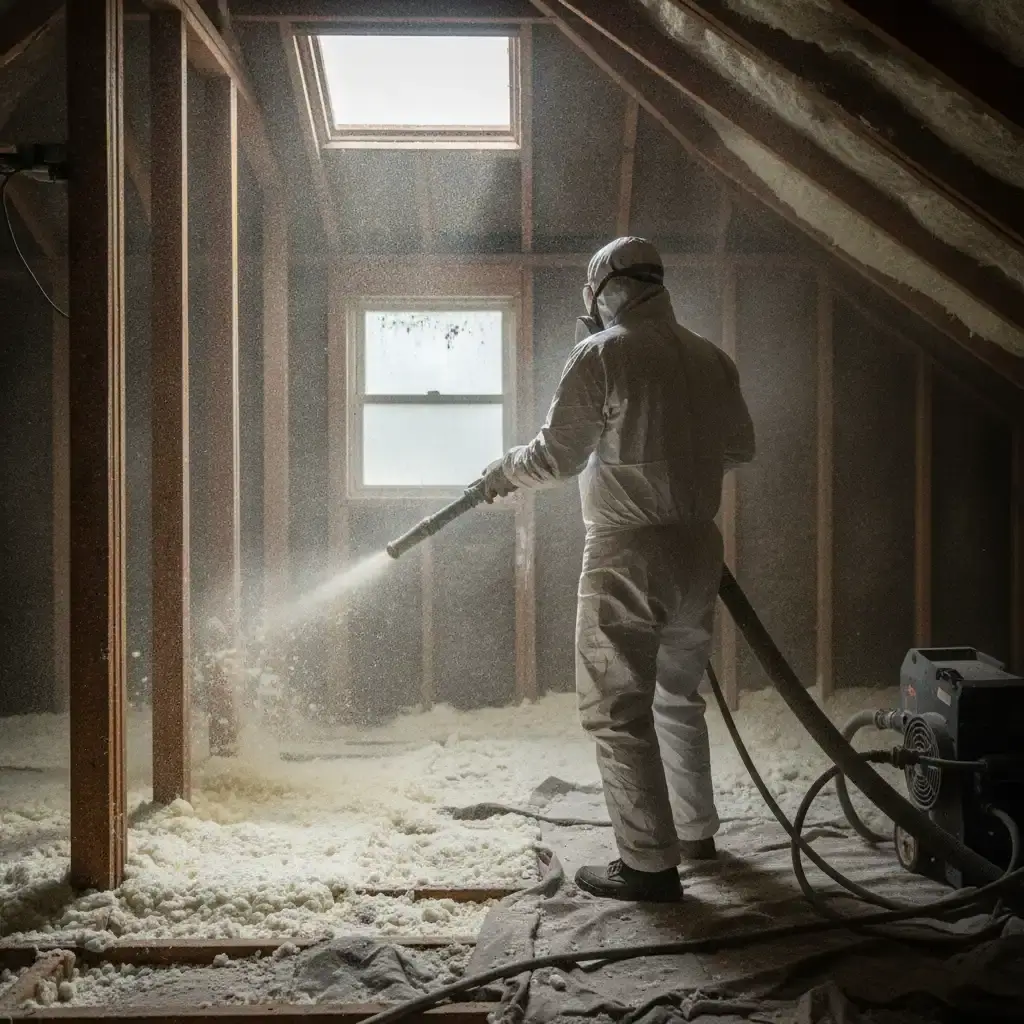
Roof Insulation in Signal Hill, CA
Expert Roof Insulation in Signal Hill, CA — Storm-Tested, Warranty-Backed
Expert roof insulation in Signal Hill, CA. Blown-in, spray foam & more. Free estimates, transparent pricing. Call Clear Price Attic: (562) 784-7649.
Roof insulation is the thermal barrier installed between your living space and the exterior roofline, preventing heat transfer, reducing energy loss, and protecting your home’s structural integrity. In Signal Hill, CA — a compact, elevated city perched atop one of Los Angeles County’s most prominent hills — roof insulation faces unique demands driven by intense summer sun exposure, marine layer moisture cycling, and aging housing stock that predates modern energy codes.
At Clear Price Attic Insulation, we specialize in delivering professional roof insulation solutions tailored to the specific architectural styles, climate patterns, and building conditions found throughout Signal Hill. Whether your property is a mid-century bungalow on Skyline Drive or a modern multi-family unit near Cherry Avenue, our team brings the technical expertise and locally informed approach needed to maximize your home’s comfort and energy efficiency year-round. Call us today at (562) 784-7649 to schedule your free assessment.
Understanding Roof Insulation in Signal Hill, CA
Roof insulation refers to the installation of thermally resistant materials in the attic floor, roof deck, or rafter bays to limit the movement of heat between your roof assembly and conditioned living spaces below. Effective roof insulation works in both directions — keeping summer heat out and retaining winter warmth inside — making it one of the highest-return energy upgrades available to homeowners.
The practice of insulating residential roofs in Southern California gained momentum during the post-World War II housing boom, when thousands of tract homes were rapidly constructed throughout communities like Signal Hill, Long Beach, and Lakewood. Many of those homes were built with minimal insulation standards by today’s benchmarks, often featuring only R-11 batts or uninsulated cavities where modern California Title 24 energy codes now require R-38 or higher in attic assemblies.
Read moreShow less
Signal Hill’s housing stock reflects this history vividly. The city, incorporated in 1924 and famously shaped by the oil drilling industry that defined its skyline for decades, contains a dense mix of single-family homes, duplexes, and small apartment buildings constructed primarily between the 1940s and 1980s. These structures frequently have shallow-pitch roofs, minimal soffit ventilation, and original insulation materials — including older fiberglass batts, vermiculite, or in some cases no insulation at all — that have long since degraded below functional R-values.
Modern roof insulation in Signal Hill typically incorporates materials such as blown-in fiberglass, cellulose, open-cell spray foam, or closed-cell spray foam, each selected based on the roof assembly type, existing ventilation conditions, and the homeowner’s energy efficiency goals. Given Signal Hill’s position above the surrounding coastal plain — with elevations reaching approximately 365 feet above sea level at its peak — rooftop exposure to solar radiation and wind-driven moisture is significantly greater than for properties in lower-lying neighborhoods nearby.
Understanding the specific insulation needs of your Signal Hill property begins with a professional assessment that accounts for your roof’s pitch, ventilation design, existing insulation condition, and the unique microclimatic forces acting on your home every day.
Why Roof Insulation Is Needed in Signal Hill, CA
Elevated Solar Exposure on the Hill
Signal Hill rises significantly above the surrounding Long Beach coastal plain, with its highest point near Hill Street reaching approximately 365 feet in elevation. This elevation advantage means rooftops in Signal Hill receive more direct solar radiation with less shade obstruction than homes at lower elevations. During peak summer months, attic temperatures in uninsulated or under-insulated Signal Hill homes routinely exceed 140–160°F — conditions that accelerate roofing material degradation, stress HVAC systems, and make upper-floor living spaces nearly unbearable without costly air conditioning.
Marine Layer Moisture Cycling
Signal Hill sits at the convergence of inland heat and Pacific marine influence. The daily marine layer that rolls in from the Pacific Ocean — often settling over Long Beach and Signal Hill overnight and burning off by midmorning — creates a persistent moisture cycling pattern. This repeated cycle of humidity introduction followed by rapid evaporation creates ideal conditions for moisture accumulation in poorly insulated or unventilated attic spaces. Over time, this moisture leads to wood rot, mold colonization, and insulation compression that dramatically reduces R-value performance.
Aging Housing Stock and Degraded Insulation
The majority of Signal Hill’s residential properties were constructed between 1940 and 1980, an era when California energy codes were either absent or far less stringent than today’s Title 24 standards. Homes built during the 1950s and 1960s in neighborhoods like Panorama Drive and the Skyline Drive corridor frequently contain original fiberglass batt insulation rated at R-11 to R-13 — far below the current California minimum of R-38 for attic assemblies in Climate Zone 8, which covers Signal Hill. Even homes that received insulation upgrades during the 1970s energy crisis era often contain cellulose or blown-in fiberglass that has settled, compacted, or become contaminated with moisture over the past 40–50 years.
Oil Field Legacy and Foundation Movement
Signal Hill’s famous oil history — the city became one of California’s most productive oil fields after the Signal Hill Oil Discovery of June 1921 — left a subsurface legacy of extraction-related ground subsidence and soil instability in certain areas. While modern extraction operations have largely ceased, some older properties experience minor foundation movement that can create gaps in roof and attic assemblies, compromising insulation continuity and creating thermal bridging pathways that undermine even recently installed insulation systems.
Local Wind Patterns
Being the highest point in the immediate area, Signal Hill properties are exposed to stronger and more consistent wind forces than surrounding communities. Wind-driven infiltration around roof penetrations, ridge vents, and eave assemblies is a significant source of energy loss that complements the need for robust roof insulation coverage throughout the attic deck.
Free, no-obligation estimates
Talk to Clear Price Attic Insulation
Tell us what you need and we’ll take it from there.
Signs You Need Roof Insulation in Signal Hill
Energy and Comfort Indicators
- Monthly energy bills that spike significantly during June through September, when Signal Hill’s elevated position intensifies solar heat gain
- Upper floors or rooms directly below the roofline that remain noticeably hotter than the rest of the home, even with air conditioning running
- HVAC system running almost continuously during warm months without achieving the set thermostat temperature
- Cold drafts or uneven temperatures during Signal Hill’s mild but occasionally chilly winter months (December–February)
Visual and Physical Symptoms
- Visible attic insulation that appears flattened, discolored, damp, or has clearly settled below the tops of your attic floor joists
- Moisture stains or mold growth on attic sheathing, rafters, or insulation material
- Ice dams along the roofline during rare cold snaps — a signal of heat loss through the roof deck
- Presence of pest debris, rodent nesting, or bird intrusion within existing insulation layers
Urgency Indicators
- Insulation material that is visibly wet or has a musty odor when you access the attic hatch
- Existing insulation that appears gray or black, indicating airflow contamination or mold growth requiring immediate removal
- A home built before 1980 that has never had a professional insulation inspection or upgrade
Our process
Our Roof Insulation Process in Signal Hill
- 01
Free On-Site Assessment (Day 1 — 60 to 90 Minutes)
Our technician visits your Signal Hill property to conduct a thorough evaluation of your attic and roof assembly. We measure existing insulation depth and R-value, assess ventilation adequacy, inspect for moisture damage or air leaks, and document the findings
- 02
Detailed Written Proposal (Within 24 Hours)
Following the assessment, we deliver a clear, itemized written proposal with transparent pricing — no surprise charges. We outline the recommended insulation method, material type, target R-value to meet or exceed California Title 24 Climate Zone 8 requirement
- 03
Insulation Removal (If Required — Half to Full Day)
If existing insulation is damaged, contaminated, or contains materials that would interfere with new installation, our team performs professional insulation removal using commercial-grade vacuum equipment. All removed material is bagged and properly disposed o
- 04
Air Sealing and Prep Work (2 to 4 Hours)
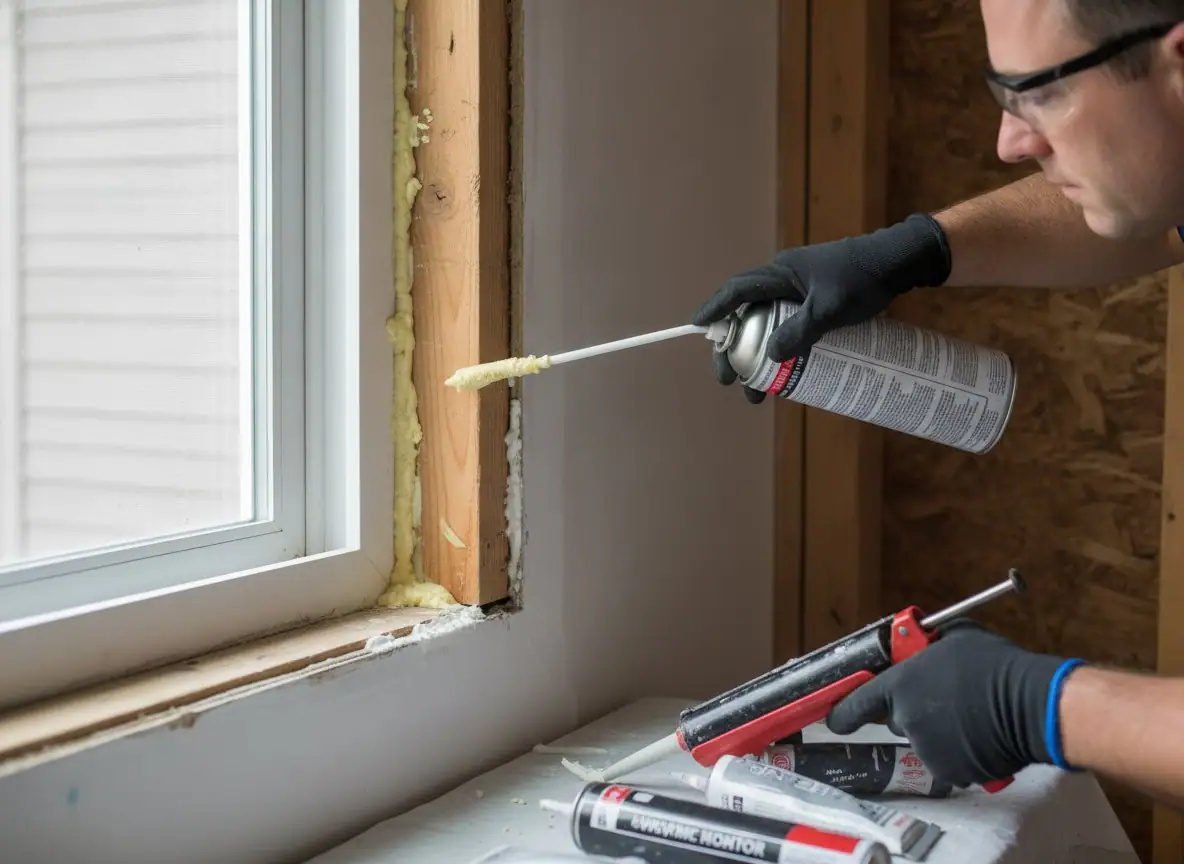
Before any new insulation goes in, we seal attic bypasses — top plates, recessed light fixtures, plumbing and electrical penetrations — with appropriate foam or caulk. This step is particularly important in Signal Hill’s older housing stock, where decades of s
- 05
Insulation Installation (Half to Full Day)
Depending on the selected method, our crew installs blown-in fiberglass, cellulose, or spray foam insulation to the specified R-value. We pay particular attention to uniform coverage across the full attic floor plane and any rafter bays requiring insulation in
- 06
Quality Inspection and Documentation (30 to 60 Minutes)
After installation is complete, our team conducts a final walkthrough, verifies insulation depth at multiple measurement points across the attic, and photographs completed work. We provide you with a completion report noting achieved R-values and any ventilati
- 07
Post-Installation Follow-Up
We are available after project completion to answer any questions about your new insulation system, discuss observed energy changes, or address any concerns that arise as the home settles into its new thermal profile.
Roof Insulation Methods We Use in Signal Hill
Blown-In Fiberglass Insulation
Blown-in fiberglass is one of the most common methods we use for attic insulation upgrades in Signal Hill’s single-family homes. Loose-fill fiberglass settles into irregular attic spaces evenly, achieves R-values of R-38 to R-60 depending on depth, and resists moisture absorption better than cellulose — an important advantage given Signal Hill’s marine layer exposure. Ideal for attics with good ventilation and accessible floor planes.
Blown-In Cellulose Insulation
Blow-in insulation using cellulose is an excellent option for homes where environmental impact matters to the homeowner, as cellulose is composed largely of recycled paper treated with fire retardants. It performs well in Signal Hill’s older wood-frame homes and conforms easily to irregular joist bays.
Open-Cell Spray Foam Insulation
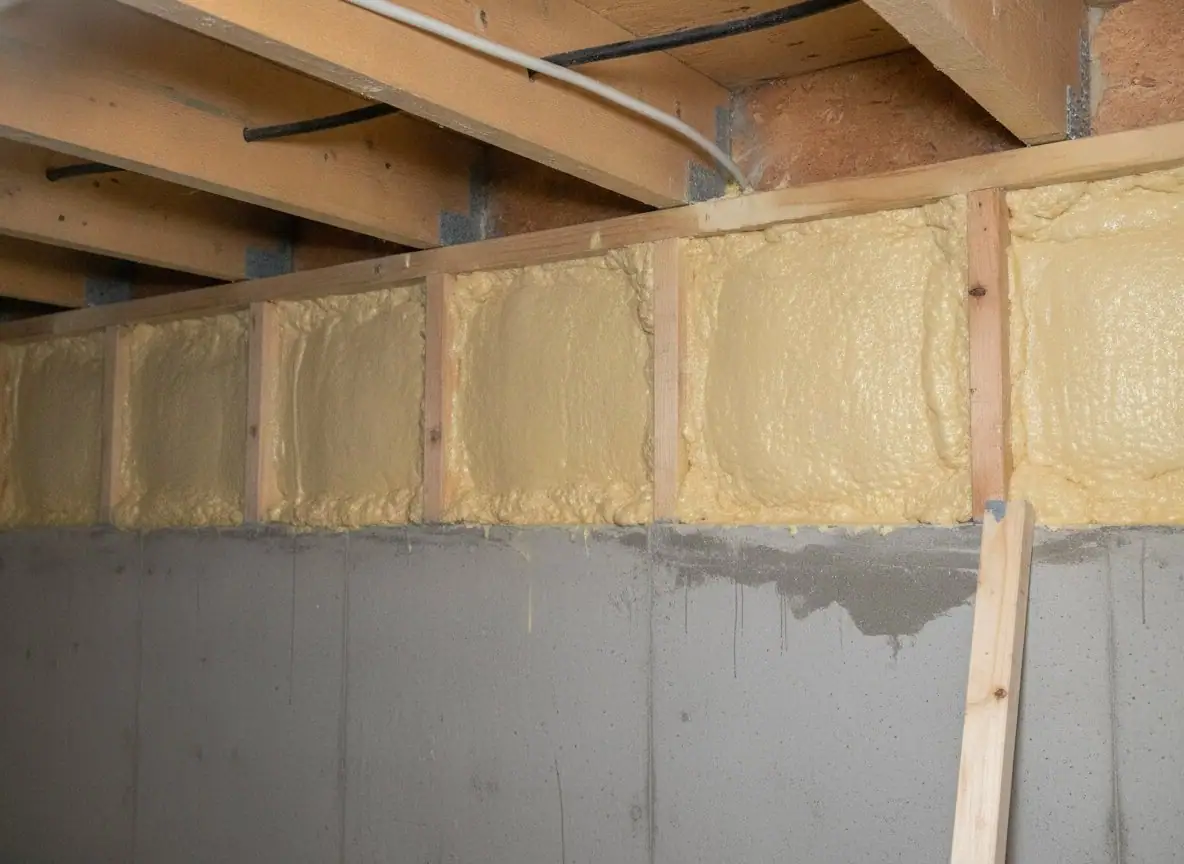
Spray foam insulation in open-cell form is well suited to unvented attic assemblies and cathedral ceiling applications found in some of Signal Hill’s architecturally distinctive hillside homes. Open-cell foam air-seals and insulates simultaneously, achieving R-3.5 to R-4 per inch and conforming precisely to roof deck contours.
Closed-Cell Spray Foam Insulation
Closed-cell spray foam delivers premium R-6 to R-7 per inch and creates a vapor and moisture barrier — making it the right choice for low-slope and flat roof assemblies particularly susceptible to marine layer moisture intrusion. It is ideal for Signal Hill properties with limited attic depth or where structural rigidity enhancement is desired.
Batt Insulation Replacement
In some cases, particularly in newer or recently renovated Signal Hill homes with standard rafter bay spacing, insulation replacement using pre-cut fiberglass or mineral wool batts provides a straightforward, cost-effective solution for restoring thermal performance.
Roof Insulation Cost in Signal Hill, CA
Understanding the cost of roof insulation in Signal Hill helps homeowners plan appropriately and evaluate proposals from insulation contractors. Pricing varies based on several factors, but the ranges below reflect current market conditions in the Long Beach and Signal Hill area.
Typical Cost Ranges
- Blown-in fiberglass or cellulose (attic floor application): $1.50 to $3.00 per square foot installed, or approximately $2,000 to $4,500 for a typical Signal Hill home with 1,200 to 1,500 square feet of attic space
- Open-cell spray foam (rafter bay application): $1.00 to $1.50 per board foot, with total projects ranging from $3,500 to $7,000 depending on roof size and foam depth required
- Closed-cell spray foam: $1.75 to $3.00 per board foot, making whole-roof applications range from $5,000 to $12,000 for larger or more complex Signal Hill roof assemblies
- Insulation removal (if required): $1.00 to $2.00 per square foot as a standalone service
Read moreShow less
Factors Affecting Your Signal Hill Insulation Cost
- Attic accessibility — Signal Hill’s older homes sometimes feature limited or unconventional attic access points that increase labor time
- Existing insulation condition and whether full or partial removal is required before new installation
- Roof pitch and complexity — steeper or irregularly shaped roofs common on Signal Hill’s hillside properties require additional setup and safety considerations
- Target R-value — upgrading to R-49 or R-60 versus the minimum R-38 increases material costs proportionally
- Air sealing scope — extensive bypasses in older homes add to overall project cost but dramatically improve performance
Contact us at (562) 784-7649 for a free, no-obligation estimate specific to your Signal Hill property.
Signal Hill Neighborhoods and Areas We Serve
Skyline Drive Corridor
Homes along Skyline Drive sit near Signal Hill’s highest elevations, maximizing both panoramic views and rooftop solar exposure. Many properties here date to the 1950s and 1960s and feature low-slope rooflines with minimal original insulation. We frequently address compacted or absent attic insulation and marine air infiltration issues in this corridor.
Cherry Avenue and Temple Avenue Commercial-Residential Mix
The mixed-use and multi-family residential buildings concentrated near Cherry and Temple Avenues often feature flat or built-up roofing systems that require closed-cell spray foam applications to adequately address thermal performance and moisture management.
Panorama Drive and Hill Street Residential Zone
Mid-century single-family homes in this area represent Signal Hill’s most traditional residential character. Homes here typically benefit most from comprehensive blown-in attic insulation upgrades combined with thorough air sealing of aging top plate bypasses.
We also serve neighboring communities throughout the greater area. Learn more about our services in Long Beach, Lakewood, Bellflower, and Carson.
Roof Insulation Maintenance Tips for Signal Hill Homeowners
- Inspect your attic annually — ideally each fall before the rainy season — checking for moisture stains, insulation compression, or pest intrusion specific to Signal Hill’s elevated, wind-exposed position.
- Keep attic vents clear of debris, bird nests, or accumulated leaves that can reduce airflow and accelerate moisture buildup, particularly important given Signal Hill’s marine layer cycling.
- Verify soffit and ridge vent alignment to maintain balanced ventilation; improper ventilation is one of the leading causes of premature insulation degradation in Signal Hill’s coastal-adjacent climate.
- Check roof penetrations after significant wind events — Signal Hill’s hilltop exposure means wind-driven debris can disturb roof flashings and create moisture entry points above the insulation layer.
- Monitor energy bills seasonally — an unexpected summer spike in electricity costs often signals insulation performance loss before visible symptoms appear in the attic.
- Address any roof leaks immediately — even minor leaks can saturate blown-in insulation rapidly, causing R-value collapse and mold growth that requires full removal and replacement.
- Consider a professional insulation check every 10 years for homes built before 1985 to ensure continued compliance with California energy standards and optimal thermal performance.
Why Choose Clear Price Attic Insulation for Your Signal Hill Roof Insulation Project
Clear Price Attic Insulation brings deep familiarity with the specific building types, climate challenges, and insulation needs of Signal Hill and the surrounding Long Beach area communities. We understand what it means to work in elevated hillside properties with limited attic access, aging construction details from the mid-20th century oil-era housing boom, and the moisture demands imposed by the Pacific marine layer.
Our commitment to transparent pricing means you receive a clear, detailed written proposal before any work begins — no vague estimates, no surprise charges after the job is done. We take the time to explain your options, match insulation methods to your home’s specific construction type, and ensure the final installation meets or exceeds California Title 24 requirements for Climate Zone 8.
Read moreShow less
We serve Signal Hill residents as neighbors, not just customers, and we stand behind our work. Our service area spans from Signal Hill across Long Beach, Lakewood, Carson, Compton, Bellflower, and beyond. To learn more about all of our services, visit our complete services page or call us directly at (562) 784-7649.
FAQ
Frequently Asked Questions About Roof Insulation in Signal Hill, CA
How much does roof insulation cost in Signal Hill, CA?
For most Signal Hill single-family homes, blown-in attic insulation installations range from $2,000 to $4,500 depending on attic square footage, existing insulation condition, and target R-value. Spray foam applications run higher, typically $3,500 to $12,000 depending on foam type and roof complexity. We provide free, on-site estimates with transparent itemized pricing for every Signal Hill project.
How long does roof insulation installation take in a typical Signal Hill home?
Most Signal Hill residential insulation projects are completed within one day. Larger homes, those requiring full insulation removal prior to new installation, or properties with complex attic geometries may require two days. We will provide a clear timeline in your written proposal before work begins.
What R-value do I need for roof insulation in Signal Hill?
Signal Hill falls within California Energy Commission Climate Zone 8. California’s Title 24 energy code requires a minimum of R-38 for attic insulation in this zone for most existing homes, and R-49 for new construction. We typically recommend targeting R-49 to R-60 for maximum comfort and energy savings given Signal Hill’s elevated solar exposure conditions.
Do I need to remove my old insulation before installing new insulation?
Not always. If existing insulation is dry, intact, and free of pest contamination or mold, we can often install new blown-in insulation directly over it to bring R-values up to current standards. However, in many older Signal Hill homes we inspect, existing insulation is contaminated, moisture-damaged, or harboring pest debris that necessitates professional insulation removal first.
Is spray foam or blown-in insulation better for Signal Hill homes?
The right choice depends on your specific roof assembly and goals. Blown-in insulation is highly cost-effective for vented attic floor applications and suits Signal Hill’s most common bungalow and ranch-style homes well. Spray foam is preferable for unvented assemblies, low-slope or flat roofs, or areas where moisture control is critical. Our assessment will identify the right fit for your property.
Will new roof insulation really lower my energy bills in Signal Hill?
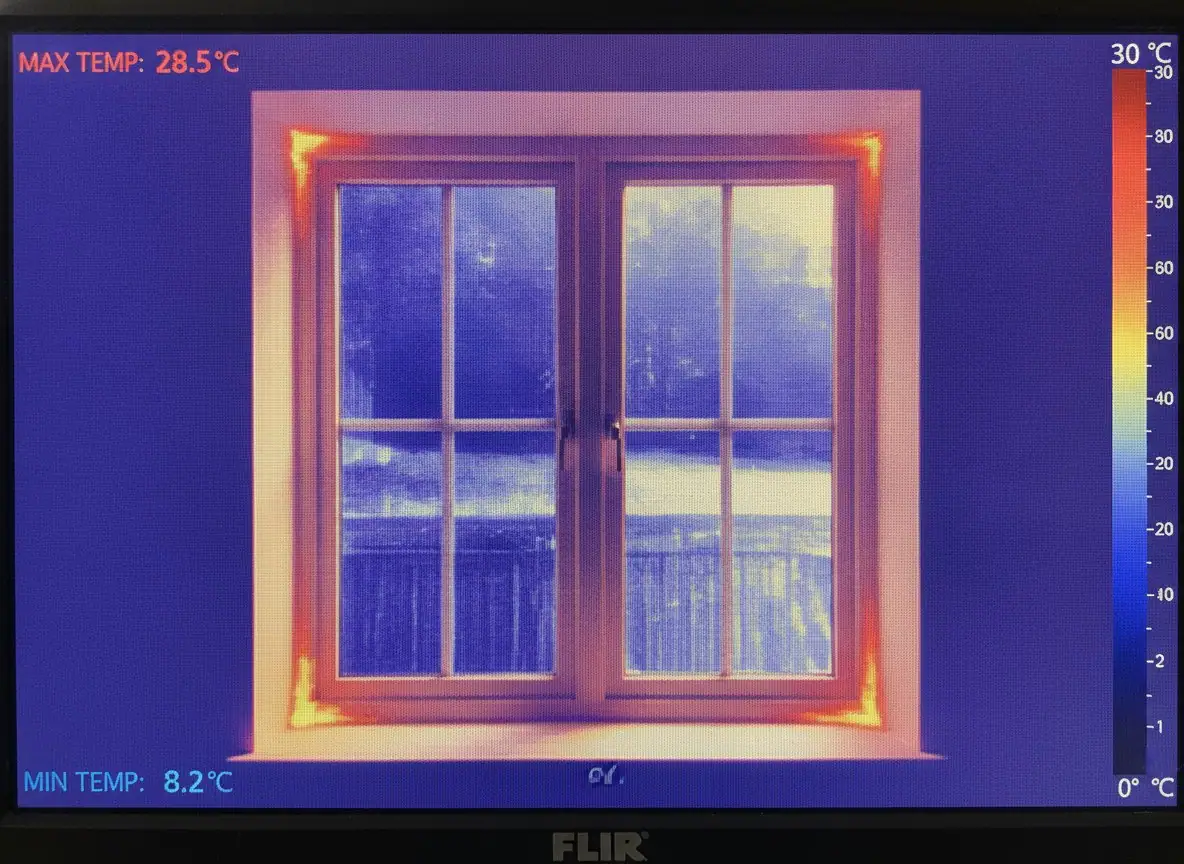
Yes — significantly in most cases. Heating and cooling account for 40–60% of residential energy use, and the attic is responsible for up to 25% of a home’s total heat gain in summer. Signal Hill homeowners who upgrade from degraded R-11 insulation to R-49 consistently report summer energy bill reductions of 20–35%, with HVAC systems running less frequently and maintaining set temperatures more reliably.
Can you insulate my flat or low-slope roof in Signal Hill?
Yes. Flat and low-slope roofs are common on Signal Hill’s mid-century and commercial-residential buildings, and they require specific approaches — typically closed-cell spray foam applied to the underside of the roof deck or rigid foam board above the deck — to achieve adequate thermal performance and vapor control. We have experience with these assemblies throughout Signal Hill and Long Beach.
Do you offer crawl space insulation or encapsulation as well?
Yes. In addition to roof and attic insulation, we provide complete crawl space insulation and crawl space encapsulation services for Signal Hill homes with raised foundations — a common construction type throughout the older residential sections of the city.
Get a Free Roof Insulation Estimate in Signal Hill Today
If your Signal Hill home is losing energy through an inadequate or aging roof insulation system, the time to act is now — before peak summer heat turns your attic into a thermal drain on your comfort and budget. Clear Price Attic Insulation offers free, no-obligation on-site assessments for Signal Hill homeowners, with transparent written proposals delivered within 24 hours of your evaluation.
Call us at (562) 784-7649 to schedule your appointment, or visit our contact page to request a callback at your convenience. We serve Signal Hill and all surrounding communities including Long Beach, Lakewood, Bellflower, Carson, Compton, and beyond. Let us show you exactly what your home needs — and exactly what it will cost — with no surprises.
Get in touch
Find insulation help near you
Request a free estimate online or give us a call — our team will follow up quickly.
- Call us(562) 784-7649
- Visit1653 E 28th St #6, Signal Hill, CA 90755
- HoursMon-Sun 07:00-19:00