
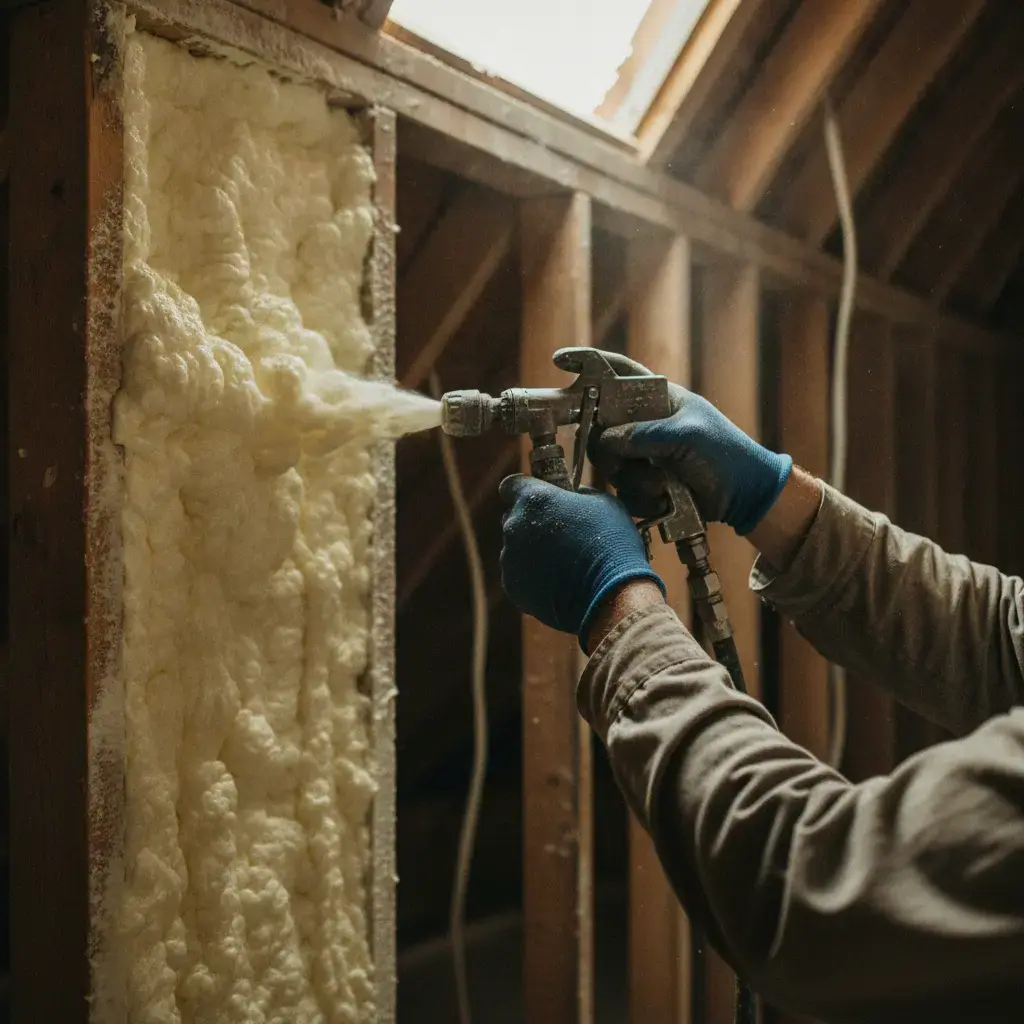
Mineral Wool Insulation in Signal Hill, CA
Energy-Saving Mineral Wool Insulation for Signal Hill, CA Homes — Licensed & Insured
Get expert mineral wool insulation in Signal Hill, CA. Clear Price Attic Insulation offers transparent pricing, local expertise & free estimates. Call (562) 784-7649.
Mineral wool insulation — also known as rock wool or slag wool — is a high-performance insulating material made from natural volcanic rock or industrial slag, spun into dense, fibrous batts or loose-fill material. It offers superior thermal resistance, outstanding fire protection, and exceptional soundproofing qualities that make it one of the most versatile insulation solutions available today.
In Signal Hill, CA, the unique combination of coastal marine air, petroleum-era construction, and hillside microclimates creates specific insulation challenges that demand a material built for resilience. Mineral wool’s moisture resistance and dimensional stability make it especially well-suited to homes and commercial buildings throughout this compact but diverse community perched above the Long Beach Basin.
Read moreShow less
At Clear Price Attic Insulation, we specialize in mineral wool insulation installation for Signal Hill properties — from the historic bungalows near the oil derrick landmarks to the newer multi-family developments along Willow Street. Call us today at (562) 784-7649 to speak with a local insulation expert.
Understanding Mineral Wool Insulation
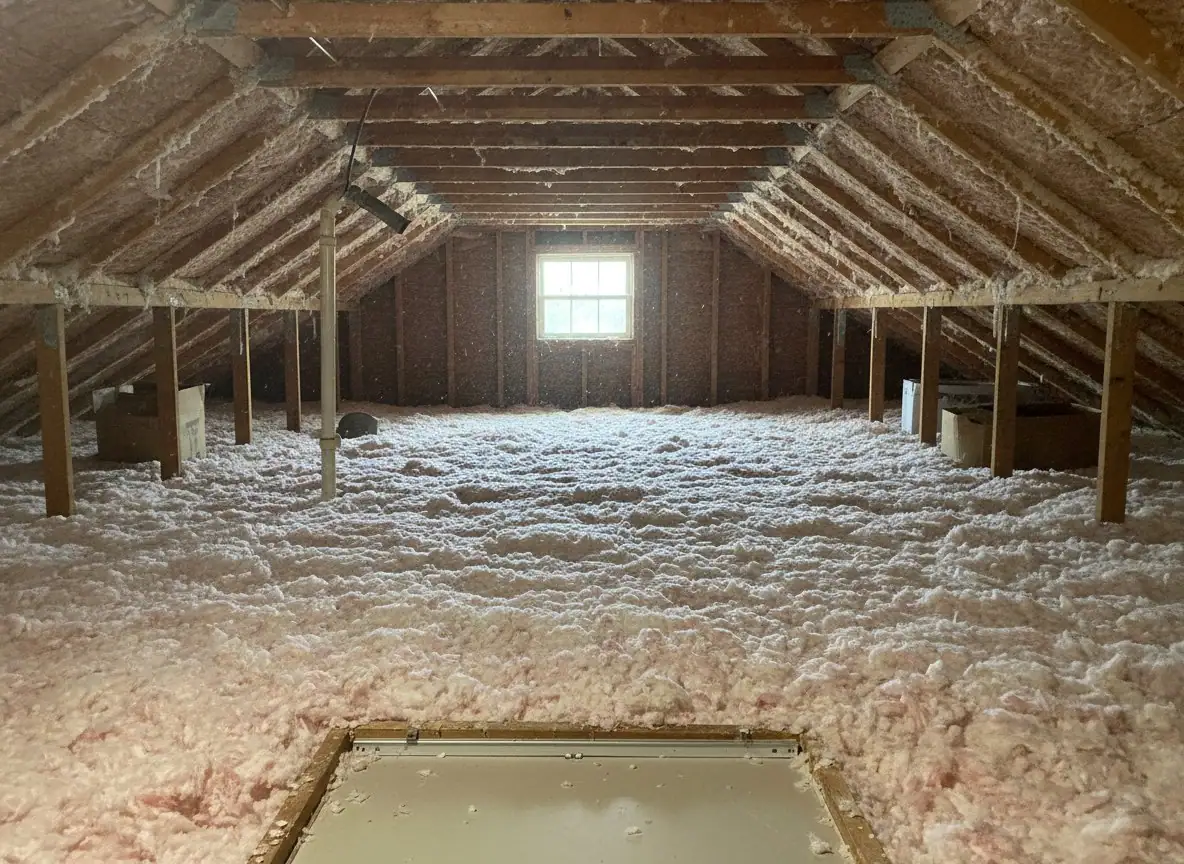
Mineral wool insulation has been used in building construction for well over a century. Its origins trace back to the late 1800s when manufacturers discovered that molten slag from iron blast furnaces could be spun into fibrous wool-like material with impressive insulating properties. By the mid-20th century, rock wool — made from basalt and other volcanic stone — became a mainstream construction material across residential, commercial, and industrial applications in the United States.
Today, mineral wool is manufactured in two primary forms: batts and blankets, which are cut to fit standard stud and joist spacing, and loose-fill or blow-in formats that conform to irregular cavities. Both forms deliver an R-value typically ranging from R-3.0 to R-3.3 per inch, comparable to fiberglass but with significant additional advantages including:
Read moreShow less
- Fire resistance: Mineral wool is non-combustible and can withstand temperatures exceeding 1,800°F, making it an excellent choice for fire-prone regions and buildings that require fire-rated assemblies.
- Moisture resistance: Unlike fiberglass, mineral wool does not absorb water and resists mold and mildew growth — critical in coastal environments like Signal Hill where marine layer humidity is a constant variable.
- Acoustic performance: The dense fibrous structure of mineral wool excels at absorbing sound transmission, making it ideal for multi-family housing, shared walls, and properties near the 405 or the Long Beach Airport flight corridors.
- Dimensional stability: Mineral wool batts do not sag or compress over time the way fiberglass can, maintaining their rated R-value for decades.
- Vapor management: Mineral wool is vapor-permeable, allowing wall assemblies to dry in both directions — an important consideration for Signal Hill’s mixed-climate building stock.
Signal Hill’s building inventory includes structures from multiple eras — from Craftsman-style homes built during the 1920s oil boom to mid-century ranch houses constructed during post-WWII development, and modern condominiums rising in recent decades. Each era presents different wall cavity dimensions, framing types, and insulation requirements. Mineral wool’s availability in multiple thicknesses (2-inch, 3.5-inch, 5.5-inch, and beyond) makes it adaptable across this diverse building stock, from retrofitting narrow 2×4 framed walls in older homes to filling deep 2×6 cavities in newer construction.
Understanding the material’s properties helps homeowners and property managers make informed decisions. Learn more about our full range of attic insulation services that complement mineral wool installations throughout Signal Hill and surrounding communities.
Why Mineral Wool Insulation Is Needed in Signal Hill
The Marine Layer Effect
Signal Hill’s hilltop elevation places it directly in the path of the Pacific marine layer that rolls in from the coast each evening and morning, particularly between May and September — a phenomenon locals call “June Gloom.” This marine layer brings sustained relative humidity levels often ranging from 80% to 95% during overnight hours. Standard fiberglass batt insulation in wall cavities or attics can absorb this moisture over years, losing R-value and creating conditions favorable to mold growth behind wall surfaces. Mineral wool’s hydrophobic fiber structure repels moisture without losing its insulating effectiveness, making it the superior choice for Signal Hill’s coastal microclimate.
Oil-Era Construction Challenges
Signal Hill was transformed starting in June 1921 when the discovery of the Alamitos No. 1 oil well triggered one of the most productive oil booms in California history. The rapid residential development that followed — particularly during the 1920s and 1930s — resulted in hundreds of wood-frame homes built quickly and economically, often with minimal or no wall insulation. Many of these structures still stand in neighborhoods like the historic hill district near Temple Avenue. Decades of ground vibration from oil extraction equipment and the mechanical settling of hillside soils have also caused older fiberglass batts in these homes to compress and shift within cavities, creating thermal bridges and cold spots. Mineral wool’s superior density (typically 1.7 to 8 lbs per cubic foot depending on product type) resists this settling and maintains full cavity coverage even in older, irregularly framed walls.
Seismic Activity and Structural Movement
Signal Hill sits in close proximity to the Whittier Fault and the Newport-Inglewood Fault Zone — the latter of which runs through the Long Beach Basin directly below the city. The 1933 Long Beach Earthquake (magnitude 6.4) caused significant structural damage to buildings throughout the region, and subsequent seismic events have continued to stress older building assemblies. Repeated seismic movement causes fiberglass insulation to shift, bunch, and leave gaps in wall and ceiling cavities. Because mineral wool batts are friction-fit and maintain their form without adhesives, they remain in position even after significant ground movement — providing consistent thermal performance year-round regardless of seismic activity.
Hillside Temperature Differentials
Signal Hill’s elevated topography creates measurable temperature differentials between the hilltop areas near the water tower and the lower-elevation streets near the Willow Street commercial corridor. Hilltop properties can experience winds of 15–25 mph during Santa Ana wind events in October through December, driving cold air infiltration into under-insulated attics and wall cavities. Properties on the hill’s western and southwestern exposures also face intense afternoon solar gain from the Pacific-facing aspect. Mineral wool’s ability to address both air infiltration (when installed to full cavity depth without gaps) and radiant heat resistance makes it a comprehensive solution for Signal Hill’s varied microclimate exposures.
Energy Code Compliance
California’s Title 24 Building Energy Efficiency Standards have become increasingly stringent in recent update cycles (2019 and 2022 editions). Signal Hill properties undergoing renovation or addition work must meet current R-value requirements for wall, attic, and floor assemblies. Mineral wool batts in a 2×4 wall cavity achieve approximately R-15, while 2×6 applications can reach R-23 — both meeting or exceeding Title 24 requirements without requiring additional continuous insulation in many retrofit scenarios. Learn about our insulation removal services for Signal Hill properties needing to upgrade from outdated materials to code-compliant mineral wool systems.
Free, no-obligation estimates
Talk to Clear Price Attic Insulation
Tell us what you need and we’ll take it from there.
Signs You Need Mineral Wool Insulation in Signal Hill
Energy Performance Indicators
- Monthly electricity bills that spike significantly in summer (June–September) when marine layer gives way to inland heat events, suggesting inadequate attic or wall insulation.
- HVAC systems running continuously without maintaining set temperatures, particularly in hilltop homes exposed to afternoon westerly winds.
- Noticeable drafts near exterior walls, electrical outlets on outside-facing walls, or around attic access hatches.
- Rooms on the upper floor or with west-facing exposures that are consistently 5–8°F warmer than the rest of the home during afternoon hours.
Moisture and Air Quality Concerns
- Musty odors in attics or wall cavities following the June–September marine layer season, indicating moisture-saturated fiberglass insulation.
- Visible condensation on interior wall surfaces during winter months when coastal cold air meets warm interior air through under-insulated walls.
- Allergy symptoms that worsen indoors, potentially linked to degraded fiberglass insulation releasing fine particles into living spaces.
Structural and Age-Related Signs
- Homes built before 1980 that have never had insulation professionally inspected or upgraded — particularly common in Signal Hill’s oil-era residential neighborhoods.
- Visible daylight or significant air movement around wall penetrations, electrical boxes, or at the top and bottom plates of exterior walls during a hand-test inspection.
- Post-earthquake or post-renovation inspections revealing shifted or missing insulation within wall cavities.
Acoustic Concerns
- Excessive noise transmission from neighboring units in Signal Hill’s multi-family housing stock, particularly in condominiums near Atlantic Avenue.
- Traffic noise from the 405 Freeway or Cherry Avenue penetrating through exterior walls with insufficient mass and absorption.
Mineral Wool Insulation Methods and Approaches
Batt and Blanket Installation
The most common method for open wall cavities, attic floors between joists, and floor assemblies. Mineral wool batts are available in standard widths (15-inch for 16-inch on-center framing, 23-inch for 24-inch on-center framing) and multiple thicknesses to achieve target R-values. This method is ideal for Signal Hill properties undergoing renovation with exposed framing, and for attic floors in the 1920s–1950s bungalows common throughout the hill district.
Blow-In Mineral Wool (Loose-Fill)
For closed wall cavities in existing Signal Hill homes where walls are not being opened, loose-fill mineral wool can be blown into cavities through small drilled access points in the exterior or interior wall surface. This retrofit approach is particularly valuable in Signal Hill’s older residential neighborhoods where wall-opening renovation would be cost-prohibitive. Learn more about our blow-in insulation services for Signal Hill retrofit projects.
Continuous Mineral Wool Rigid Board
Mineral wool is also available in rigid board form for continuous insulation applications on exterior wall sheathings, under roof decking, or in crawl space walls. This approach is increasingly specified for Signal Hill commercial renovations and larger residential additions requiring enhanced thermal mass and vapor management across the full building envelope.
Mineral Wool for Fire-Rated Assemblies
For Signal Hill multi-family properties, commercial buildings, or garage-to-living-space separations, mineral wool is frequently specified in UL-listed fire-rated wall and floor-ceiling assemblies. Its non-combustible composition and high-temperature stability make it the preferred material for these code-required applications.
Combined Systems
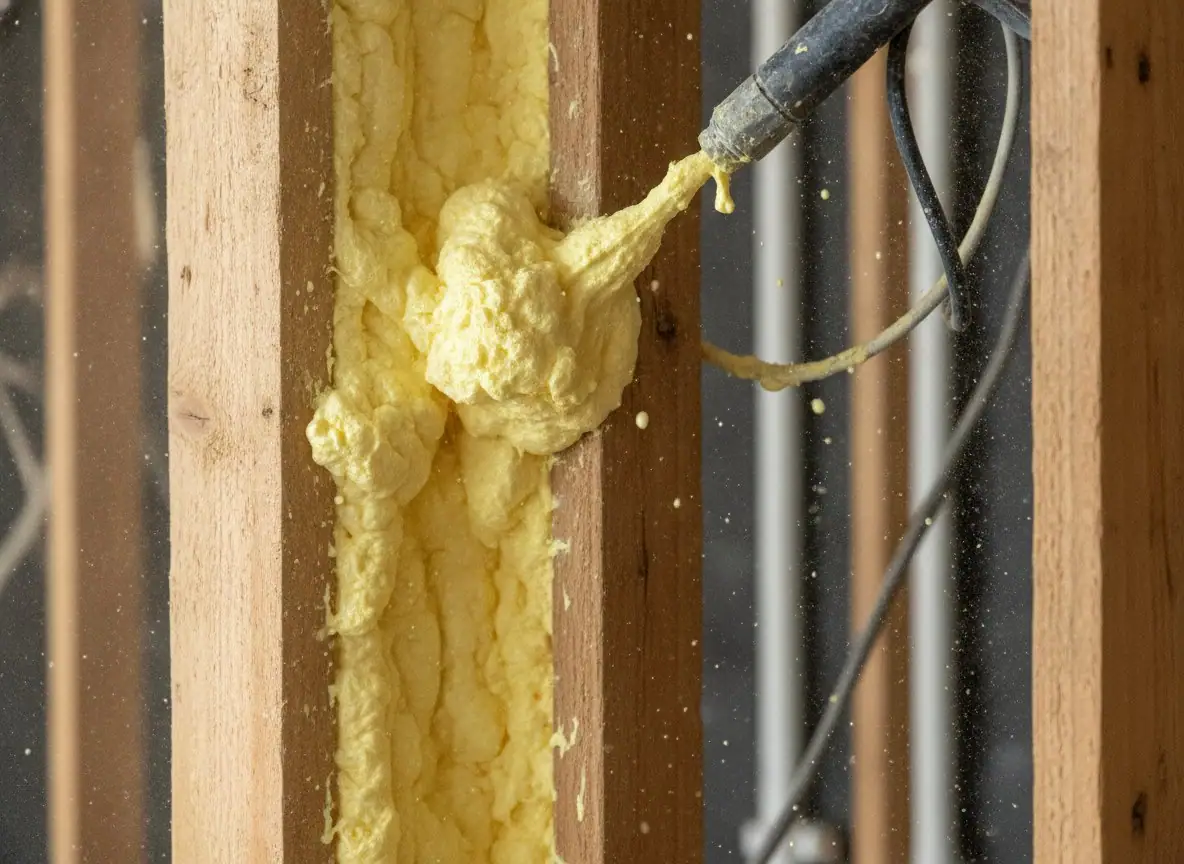
In some Signal Hill properties — particularly hillside homes with complex roof geometries or significant air sealing challenges — we combine mineral wool batts with spray foam at critical air-sealing locations. Explore our spray foam insulation services to understand how these two materials can work together for maximum performance.
Mineral Wool Insulation Cost in Signal Hill
Understanding the cost of mineral wool insulation in Signal Hill helps homeowners and property managers plan renovation budgets accurately. At Clear Price Attic Insulation, we believe in transparent pricing with no surprises.
Typical Cost Ranges
- Attic floor installation (mineral wool batts): $1.50–$2.50 per square foot installed, depending on existing insulation condition and required R-value (R-30 to R-60 for Signal Hill’s Climate Zone 8 designation).
- Exterior wall batt installation (open cavities): $1.80–$3.00 per square foot installed, with R-15 (2×4 walls) and R-23 (2×6 walls) being the most common specifications.
- Blow-in mineral wool for closed wall cavities: $3.00–$5.00 per square foot, reflecting the additional labor for drilling and patching access points.
- Average whole-home project (1,400–1,800 sq ft Signal Hill bungalow): $3,500–$7,500 for attic and wall insulation combined, including removal of existing degraded material.
- Crawl space or floor assembly insulation: $2.00–$3.50 per square foot. Explore our crawl space insulation services for detailed pricing on under-floor applications.
Read moreShow less
Factors Affecting Signal Hill Pricing
- Access difficulty: Signal Hill’s hillside properties often have limited attic access or steep roof pitches that increase labor time.
- Removal requirements: Homes with oil-era construction may contain degraded or rodent-damaged existing insulation requiring removal and disposal before new installation.
- Air sealing scope: Older wood-frame homes with significant air infiltration require more extensive sealing before mineral wool installation.
- Material type: Rigid mineral wool board costs more per square foot than batt products, typically $3.50–$6.00 installed.
- California rebates: SoCalGas and SCE offer rebates for qualifying insulation upgrades that can reduce net project costs by $200–$800 depending on scope.
Contact us at (562) 784-7649 for a free, no-obligation estimate specific to your Signal Hill property.
Signal Hill Neighborhoods We Serve
Historic Hill District (Temple Avenue / Willow Street Corridor)
The original residential development surrounding Signal Hill’s oil derrick heritage, with homes primarily built between 1920 and 1945. These wood-frame bungalows and Craftsman-style homes typically have 2×4 exterior walls with either no original insulation or degraded loose-fill from decades past. Mineral wool batt retrofits in attic floors are the most common project type here, followed by blow-in wall insulation through exterior access points.
East Signal Hill (Near Cherry Avenue)
A mix of mid-century ranch homes built in the 1950s–1970s and newer condominium developments. Mid-century properties often have original fiberglass batts that have compressed to below R-9 over decades. Mineral wool replacement restores full R-value and adds the acoustic performance valued by homeowners near the Cherry Avenue commercial corridor.
Hilltop Summit Area (Signal Hill Park Vicinity)
Newer single-family and multi-family developments from the 1990s through the 2010s with superior wind exposure. These properties benefit most from mineral wool’s combination of thermal performance and air infiltration resistance during Santa Ana wind events. Many units here have shared party walls where mineral wool’s acoustic properties are highly valued by residents.
We also serve all surrounding communities including Long Beach, Lakewood, Carson, Compton, Norwalk, Paramount, Bellflower, and Cerritos. View our complete service area map for all locations we cover throughout the region.
Mineral Wool Insulation Maintenance Tips for Signal Hill Properties
Mineral wool insulation requires minimal maintenance compared to other insulation types, but Signal Hill’s specific climate and building conditions make a few seasonal practices particularly important:
- Annual attic inspection (every September–October): Before Santa Ana wind season begins, inspect attic insulation for any displacement caused by summer marine layer humidity cycles or pest activity. Look for gaps at eave ends and around recessed lighting fixtures.
- Check for moisture intrusion after heavy rain events: Signal Hill receives approximately 14 inches of annual rainfall, concentrated in winter months. Inspect attic and crawl space areas after significant storms for any roof leak or foundation moisture that could compromise insulation integrity.
- Seal new penetrations promptly: Any new electrical, plumbing, or HVAC penetrations through insulated assemblies should be sealed with fire-rated caulk before the marine layer season begins each May.
- Maintain attic ventilation: Ensure soffit and ridge vents remain unobstructed. Blocked ventilation in Signal Hill’s coastal climate accelerates moisture accumulation even in moisture-resistant mineral wool.
- Monitor HVAC equipment clearances: Ensure mineral wool batts near HVAC equipment in attics maintain manufacturer-required clearances to prevent overheating.
- Post-seismic inspection: Following any earthquake felt at magnitude 4.0 or above, conduct a visual inspection of attic insulation for displacement, particularly in older framed structures.
- Pest prevention: Unlike cellulose, mineral wool does not attract rodents for nesting, but seal any roof or foundation penetrations that could allow pest entry into insulated spaces.
Why Choose Clear Price Attic Insulation for Mineral Wool in Signal Hill
Clear Price Attic Insulation is a dedicated insulation contractor serving Signal Hill and the greater Long Beach Basin with a comprehensive range of insulation services tailored to Southern California’s coastal building stock. Here is why Signal Hill property owners choose us:
Local expertise:
Local expertise:We understand Signal Hill’s unique combination of oil-era construction, hillside microclimates, and coastal humidity in ways that generic contractors cannot replicate. Every estimate accounts for these Signal Hill-specific variables.
Transparent pricing:
Transparent pricing:Our name says it — Clear Price. Every estimate is itemized and written, with no hidden fees, no bait-and-switch material substitutions, and no pressure sales tactics.
Full-service capability:
Full-service capability:From initial removal of damaged insulation through air sealing, mineral wool installation, and final inspection, we handle every aspect of the project with our own trained crew — no subcontracting.
Comprehensive service menu:
Comprehensive service menu:Beyond mineral wool, we offer spray foam, blow-in insulation, crawl space encapsulation, and insulation replacement to address every building assembly in your Signal Hill property.
Responsive local service:
Responsive local service:Based in the Long Beach area, we provide prompt scheduling and same-day estimates for Signal Hill properties. Call (562) 784-7649 to speak directly with a knowledgeable technician.
FAQ
Frequently Asked Questions About Mineral Wool Insulation in Signal Hill
How much does mineral wool insulation cost in Signal Hill?
Costs vary based on application type and scope. Attic floor batt installation typically ranges from $1.50–$2.50 per square foot, while closed wall blow-in applications run $3.00–$5.00 per square foot. A complete attic insulation project for a typical 1,400–1,800 square foot Signal Hill home generally costs $1,800–$4,500 depending on existing conditions and required R-value. Contact us for a free, site-specific estimate.
Is mineral wool better than fiberglass for Signal Hill homes?
For Signal Hill’s specific conditions — coastal humidity, hillside wind exposure, oil-era construction, and seismic activity — mineral wool offers significant advantages over fiberglass. Its moisture resistance, dimensional stability, and superior fire performance make it particularly well-suited to the local building stock and microclimate. Fiberglass remains a cost-effective option in some applications, but for long-term performance in Signal Hill, mineral wool is the preferred choice.
How long does mineral wool insulation last in a Signal Hill home?
Mineral wool insulation is extremely durable and does not degrade, sag, or lose R-value over time the way fiberglass batts can. Properly installed mineral wool can maintain its rated performance for 50+ years — outlasting the typical 20–30 year lifespan often seen with fiberglass batts in coastal California environments where humidity cycling accelerates fiber degradation.
Do I need a permit for mineral wool insulation installation in Signal Hill?
Signal Hill, like most California cities, does not require a building permit for like-for-like insulation replacement in existing spaces. However, if the project is part of a larger renovation or involves changes to the building envelope that require Title 24 energy compliance documentation, permits may be required. We help identify permit requirements during the assessment phase of every project.
How long does a typical mineral wool installation take in Signal Hill?
Most residential projects are completed in one to two days. Attic floor insulation for a standard Signal Hill bungalow takes approximately four to six hours including preparation and cleanup. Whole-home projects combining attic, wall, and crawl space insulation may take one to two full days. We provide specific timeline estimates with every written quote.
Can mineral wool insulation help with noise from the 405 Freeway?
Yes. Signal Hill properties near the 405 Freeway corridor and Cherry Avenue benefit significantly from mineral wool’s acoustic absorption properties. Mineral wool in exterior walls provides an NRC (Noise Reduction Coefficient) of 0.95–1.0, compared to approximately 0.75 for standard fiberglass batts. Combined with air sealing at window and door perimeters, mineral wool wall insulation can meaningfully reduce traffic noise transmission into Signal Hill homes.
Is mineral wool insulation safe for my family during and after installation?
Yes. Modern mineral wool products are classified as non-carcinogenic by major health agencies and are bio-persistent only at levels far above any residential installation exposure. During installation, our crew wears appropriate PPE and we advise occupants to remain out of the work area. Once installed and covered by drywall or other finish materials, mineral wool poses no health risks and does not off-gas volatile organic compounds (VOCs), unlike some foam insulation products.
What areas near Signal Hill do you serve?
We serve Signal Hill and all surrounding communities throughout the Long Beach Basin, including Long Beach, Lakewood, Carson, Compton, East Compton, Norwalk, Paramount, Bellflower, Artesia, Cerritos, Lynwood, South Gate, Hawaiian Gardens, Rossmoor, Seal Beach, Los Alamitos, Wilmington, Harbor City, and West Carson. View our complete service area for full coverage details.
Get Your Free Mineral Wool Insulation Estimate in Signal Hill Today
Whether you are dealing with high summer energy bills, marine layer moisture concerns, noise from nearby streets, or simply a home built during Signal Hill’s oil-boom era with no meaningful insulation, Clear Price Attic Insulation is ready to help. We provide honest, itemized estimates with no pressure and no hidden costs — just clear pricing and quality mineral wool insulation work tailored to your Signal Hill property’s specific needs.
Call us now at (562) 784-7649 to schedule your free on-site assessment. Our team serves Signal Hill and all surrounding Long Beach Basin communities with prompt scheduling and same-day response. Do not let another marine layer season or Santa Ana wind event compromise your home’s comfort and energy efficiency.
You can also submit a contact form online and a Signal Hill insulation specialist will follow up within one business day.
Get in touch
Find insulation help near you
Request a free estimate online or give us a call — our team will follow up quickly.
- Call us(562) 784-7649
- Visit1653 E 28th St #6, Signal Hill, CA 90755
- HoursMon-Sun 07:00-19:00