

Batt Insulation in Signal Hill, CA
Energy-Saving Batt Insulation for Signal Hill, CA Homes — Licensed & Insured
Need batt insulation in Signal Hill, CA? Clear Price Attic Insulation offers expert installation for Signal Hill homes. Free estimates — call (562) 784-7649 today.
Batt insulation is one of the most widely used and cost-effective insulation solutions for residential and commercial properties. It consists of pre-cut panels or rolls of fibrous material — typically fiberglass or mineral wool — designed to fit snugly between wall studs, floor joists, and attic rafters, creating a thermal and acoustic barrier throughout your building envelope.
Signal Hill’s unique geography as an elevated urban island within the greater Long Beach metro area creates distinct thermal challenges. Sitting atop an oil-rich hill at elevations up to 365 feet, properties here experience stronger coastal wind exposure, significant temperature swings between hilltop and valley microclimates, and aging construction from multiple building eras that often falls short of modern energy standards.
Read moreShow less
At Clear Price Attic Insulation, we specialize in delivering professional batt insulation installations tailored specifically to Signal Hill’s building stock and climate conditions. Contact us today at (562) 784-7649 to schedule your free assessment.
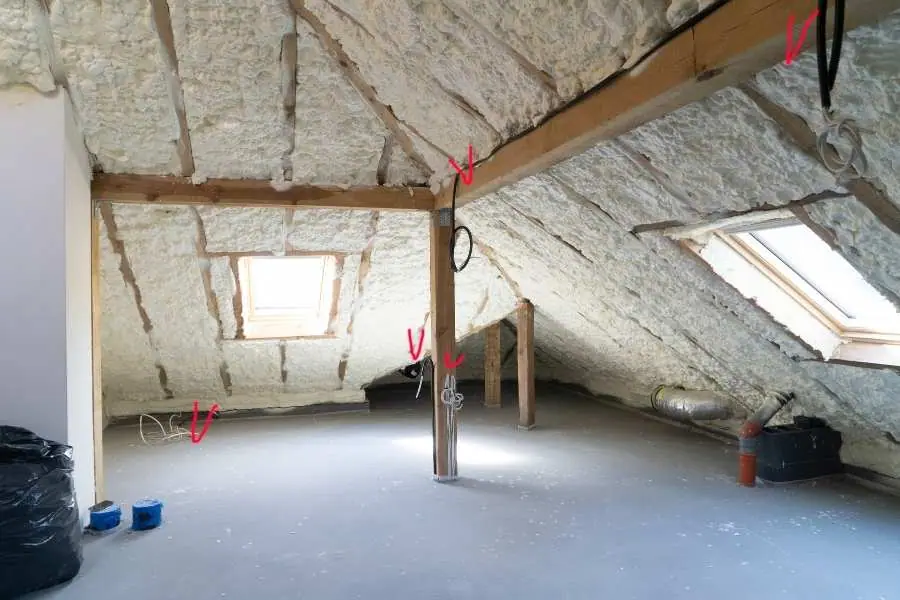
Understanding Batt Insulation
Batt insulation has been a cornerstone of American building construction since the mid-20th century. Originally developed as a practical alternative to loose-fill materials, batts offered contractors and homeowners a cleaner, more manageable installation method that could be standardized to common framing dimensions — typically 16-inch or 24-inch on-center stud spacing. Today, batt insulation remains one of the most prevalent insulation types across California’s residential housing market.
The material works through a straightforward physical principle: the fibrous structure traps air within thousands of tiny pockets, slowing the transfer of heat through conduction and convection. This resistance to heat flow is measured in R-values. Higher R-values indicate greater thermal resistance. In Signal Hill and surrounding areas of Los Angeles County, California Title 24 energy codes currently recommend R-38 to R-60 for attic spaces and R-13 to R-21 for walls, depending on construction type and climate zone designation — Signal Hill falls within California Climate Zone 8.
Read moreShow less
Batt insulation comes in several material types:
- Fiberglass batts — the most common option, available faced or unfaced, offering R-values from R-11 to R-38 per standard thickness
- Mineral wool (rock wool) batts — denser, naturally fire-resistant, and better at resisting moisture, making them well-suited for Signal Hill’s marine-influenced humidity
- Cotton (denim) batts — an eco-friendly option made from recycled materials, growing in popularity among Signal Hill’s environmentally conscious homeowners
Signal Hill’s housing inventory spans from 1920s Craftsman bungalows and post-WWII tract homes to modern condominiums and mixed-use developments built after the city’s 1991 incorporation. Each building era presents different framing configurations, vapor barrier requirements, and insulation gaps that affect which batt products and installation approaches are most effective. Learn more about our attic insulation services
Why Batt Insulation Is Needed in Signal Hill, CA
The Signal Hill Hilltop Wind Effect
Perched above the surrounding Long Beach basin, Signal Hill consistently experiences wind speeds 15–25% higher than the flatlands below. Prevailing westerly and southwesterly winds off the Pacific push up the hill’s slopes and accelerate over the summit along Temple Avenue, California Street, and the Cherry Avenue corridor. This persistent wind exposure drives infiltration through building envelopes — particularly in homes built before 1978 that predate modern air-sealing requirements. Batt insulation, especially mineral wool batts with their denser fiber matrix, provides meaningful resistance to this wind-driven infiltration when properly installed with air barriers.
Marine Layer Temperature Cycling
Signal Hill’s elevation places its rooftops and upper floors directly in the path of Southern California’s marine layer as it rolls in from the coast, typically arriving by early morning and burning off by midday from May through September. This daily thermal cycling — with temperatures swinging 20–28°F between early morning lows in the mid-50s°F and afternoon highs reaching 80–88°F during summer months — places repeated stress on building envelopes. Inadequate attic insulation allows this heat gain and loss to directly affect interior living spaces, driving up HVAC runtime and utility costs.
Legacy Oil Field Construction
Signal Hill’s history as one of California’s most productive oil fields — the Signal Hill Oil Field was discovered in 1921 and dramatically transformed the city — means much of the original residential construction was built rapidly and economically to house oil workers and their families. Many of these homes along E. 27th Street, E. 28th Street, and the Panorama Heights area were built with minimal insulation standards of that era. Decades later, the fiberglass batts that were eventually added during 1960s–1980s retrofits have compressed, settled, or become moisture-damaged, losing significant R-value.
Coastal Humidity and Moisture Degradation
Signal Hill’s proximity to the Port of Long Beach and the Pacific — roughly 2.5 miles from the waterfront — means ambient relative humidity regularly reaches 75–85% during coastal fog events. This moisture can infiltrate wall cavities and attic spaces, causing existing fiberglass batts to absorb water, mat down, and lose up to 40% of their rated R-value when wet. Mineral wool batts and properly faced fiberglass batts with vapor retarders are essential corrective measures in this environment.
Post-1994 Northridge Earthquake Retrofits
Following the January 17, 1994 Northridge Earthquake, many Signal Hill property owners completed seismic retrofits — bolting mudsills, adding cripple wall plywood sheathing, and reframing crawl spaces. These structural modifications often disturbed or removed existing crawl space and wall insulation without replacement. Explore our crawl space insulation services to address these common post-retrofit insulation gaps.
Free, no-obligation estimates
Talk to Clear Price Attic Insulation
Tell us what you need and we’ll take it from there.
Signs You Need Batt Insulation in Signal Hill
Energy Performance Indicators
- Monthly electric bills exceeding $180–$220 during summer months for a typical 1,400–1,800 sq ft Signal Hill home
- HVAC system running continuously during afternoon heat spikes above 85°F without reaching set temperature
- Noticeable temperature differences of more than 5°F between upstairs and downstairs rooms
Physical Symptoms in Your Home
- Cold walls or ceilings during winter months, especially on the windward (western) side of hilltop properties
- Drafts detectable near electrical outlets on exterior walls
- Frost or condensation forming on interior wall surfaces during cool, humid marine layer mornings
- Visible gaps, compression, or discoloration in attic batt insulation visible from the attic hatch
Structural and Age-Related Red Flags
- Home built before 1980 with no record of insulation upgrades
- Recent seismic retrofit work in crawl space or walls without insulation reinstallation
- Evidence of rodent activity in attic — pest infiltration compresses and soils batt insulation, reducing effectiveness by 30–50%
- Musty odors from attic or walls after Signal Hill’s winter rain events — a sign of moisture-damaged batts
Urgency Indicators
If you observe mold growth, water staining on insulation, or visible daylight through attic eaves, treat these as urgent situations requiring immediate professional assessment. Contact Clear Price Attic Insulation at (562) 784-7649.
Our process
Our Batt Insulation Installation Process in Signal Hill
We follow a structured, transparent process that accounts for Signal Hill’s specific building conditions and local code requirements enforced by the City of Signal Hill Building Department.
- 01
Free On-Site Assessment (1–2 Hours)
Our technician visits your Signal Hill property to evaluate existing insulation conditions, measure current R-values using calibrated depth gauges, identify air infiltration points, and assess moisture or pest damage. We pay particular attention to attic eave
- 02
Custom Scope and Clear Pricing (Same Day or Next Day)
We provide a detailed written estimate with line-item costs — no hidden fees. We clearly explain which batt product, R-value, and installation method is recommended for your specific Signal Hill property type, whether it’s a 1940s wood-frame bungalow or a 2000
- 03
Preparation and Removal (Half Day to Full Day)
Where existing insulation is degraded, compressed below 70% of original thickness, or contaminated, we complete professional insulation removal before installation. We also seal air bypasses — gaps around pipes, wiring, and recessed lights — using appropriate
- 04
Batt Insulation Installation (Half Day to Full Day)
Our installers cut and fit batts precisely to Signal Hill’s common 16-inch on-center stud spacing found in most pre-1990 construction, or 24-inch spacing in newer builds. Faced batts are installed with the vapor retarder facing the conditioned space, per Calif
- 05
Quality Inspection and Documentation (30–60 Minutes)
We perform a final walkthrough, verify R-value consistency with a depth probe, photograph completed installation, and provide you with a written completion report including product data sheets for your permit records if applicable.
- 06
Post-Installation Follow-Up (Within 2 Weeks)
We contact you to confirm your comfort levels have improved and address any questions. Most Signal Hill homeowners report noticeable temperature stabilization within the first full heating or cooling cycle after installation.
Batt Insulation Methods and Approaches We Use in Signal Hill
Standard Friction-Fit Batt Installation
The most common method for open wall cavities and attic floors with clear joist bays. Batts are sized 1 inch wider than the cavity to create a friction fit that holds them in place without stapling. Ideal for Signal Hill’s large inventory of 1950s–1970s tract homes with standard 2×4 or 2×6 framing on California Street and Skyline Drive.
Faced Batt with Staple Flange Installation
Used in wall cavities requiring vapor retarder control — particularly relevant in Signal Hill’s lower-elevation properties near the Harbor District boundary where ground moisture migration is more significant. The kraft paper or foil facing is stapled to stud faces before drywall.
Cut-and-Fit for Irregular Spaces
Signal Hill’s hillside Craftsman bungalows frequently feature non-standard cavity widths, diagonal bracing, and knee wall configurations. Our installers custom-cut batts using calibrated insulation knives to fill irregular spaces completely, eliminating the thermal bridging gaps that account for significant energy loss in older homes.
Layered Batt Installation for High R-Value Attics
To achieve Title 24’s recommended R-38 to R-49 in Signal Hill attics, we install a first layer of R-19 batts between joists and a second perpendicular layer of R-19 or R-21 batts across the top, achieving consistent coverage without thermal bridging through joist framing. We also offer blow-in insulation as an alternative for topping up existing attic insulation.
Mineral Wool Batt Installation for Fire and Moisture Resistance
For Signal Hill properties near active or legacy oil infrastructure, or those with attached garages requiring fire-rated assemblies, mineral wool batts provide inherent fire resistance (non-combustible to 1,400°F) alongside superior moisture tolerance — critical given Signal Hill’s marine humidity levels.
Batt Insulation Cost in Signal Hill, CA
Understanding batt insulation costs in Signal Hill helps you plan your investment and evaluate quotes accurately. Pricing in this market reflects Los Angeles County labor rates, local material supply chain costs, and the complexity typical of Signal Hill’s diverse building stock.
Typical Price Ranges
- Attic batt insulation (per sq ft, installed): $1.50–$3.25 depending on R-value and accessibility
- Wall batt insulation (per sq ft, open cavity): $1.25–$2.75
- Crawl space batt insulation (per sq ft): $2.00–$4.50, reflecting limited access common in Signal Hill’s hillside properties
- Typical whole-attic project (1,200–1,600 sq ft attic): $1,800–$4,500
- Whole-home wall insulation with drywall removal: $6,000–$14,000+
Read moreShow less
Factors Affecting Signal Hill Batt Insulation Costs
- Existing insulation removal: Add $0.75–$1.50/sq ft for insulation removal and disposal
- Attic accessibility: Low-pitch rooflines common on Signal Hill’s 1940s–1960s homes may increase labor by 20–35%
- Material choice: Mineral wool batts run 15–30% more than standard fiberglass
- R-value target: Achieving R-49 vs. R-19 roughly doubles material costs
- Air sealing scope: Comprehensive air sealing prior to batt installation adds $300–$900 to most projects but significantly improves overall energy performance
Incentives and Rebates
Southern California Edison and SoCalGas both offer rebates for qualifying insulation upgrades meeting Title 24 standards. Signal Hill homeowners may also access LA County residential energy efficiency programs. Call us at (562) 784-7649 for current rebate eligibility guidance. See our full Batt Insulation cost guide
Signal Hill Neighborhoods We Serve
Panorama Heights
The northern residential slopes of Signal Hill, centered around E. 27th Street and E. 28th Street, feature a concentration of 1920s–1940s oil-era bungalows. These homes frequently have partial or absent wall insulation and exposed attic floor joists with insufficient R-values. We specialize in retrofitting these properties while preserving their historic character.
Skyline Drive Corridor
Homes along Skyline Drive and the summit area represent Signal Hill’s premium residential zone. Many are 1960s–1980s ranch-style properties with expansive attic spaces and hillside exposures on multiple elevations. The added wind exposure at this elevation makes high-R-value attic batt installation particularly impactful for these homeowners.
E. Spring Street and California Avenue Mixed Residential
This area includes a mix of post-WWII single-family homes and 1980s–2000s condominium developments. Condo associations in this corridor frequently engage us for insulation replacement projects addressing compressed or moisture-damaged batts from aging HVAC condensation issues.
Serving All of Signal Hill and Surrounding Communities
We also serve neighboring Long Beach, Lakewood, Carson, Compton, Norwalk, Bellflower, Cerritos, Paramount, Lynwood, South Gate, Hawaiian Gardens, Artesia, Rossmoor, Seal Beach, Los Alamitos, West Carson, Harbor City, Wilmington, and East Compton.
Batt Insulation Maintenance Tips for Signal Hill Homeowners
- Annual attic visual inspection: Check batt depth, compression, and any discoloration after Signal Hill’s winter rain season (November–March) when moisture infiltration risk is highest.
- Inspect after wind events: Signal Hill’s elevated position means high-wind events can dislodge improperly secured batts in attic spaces. Check after Santa Ana wind events, which regularly exceed 50 mph at hilltop elevations.
- Monitor for pest activity: Rats and roof rats — common in the Signal Hill area near the Bixby Knolls interface — nest in attic batts. Promptly address any rodent evidence and have affected insulation assessed.
- Maintain attic ventilation: Keep soffit and ridge vents clear of debris. Blocked ventilation causes heat and moisture buildup that degrades batt insulation and voids many product warranties.
- Check vapor barriers annually: In Signal Hill’s humid coastal conditions, ensure faced batt vapor retarders remain intact and un-torn, especially after any HVAC or plumbing work in attic or wall spaces.
- Schedule professional re-evaluation every 10 years: Standard fiberglass batts compress over time. A professional assessment every decade ensures your insulation is still performing at rated R-values.
- Address HVAC condensate promptly: Leaking air handler or ductwork condensate in attic spaces soaks nearby batts quickly. Call us at (562) 784-7649 if you discover any water intrusion.
Why Choose Clear Price Attic Insulation in Signal Hill
At Clear Price Attic Insulation, we built our business on a simple commitment: transparent pricing, honest assessments, and insulation work that actually performs in the specific conditions of Signal Hill and the surrounding South Bay and Long Beach communities.
We know Signal Hill. We understand how its elevation and coastal proximity affect buildings differently from flat communities nearby. We recognize the legacy construction challenges of the oil-era neighborhoods and the vapor management demands of the marine climate. That local knowledge shapes every recommendation we make and every installation we complete.
We offer a comprehensive range of insulation services — from batt installation and spray foam insulation to blow-in insulation, crawl space encapsulation, and insulation removal — so we can address your home’s complete thermal envelope, not just one piece of it.
Read moreShow less
When you call us at (562) 784-7649, you’ll receive a straight answer on what your project requires and exactly what it will cost. No upselling. No surprises. Just quality batt insulation work done right for Signal Hill homes.
FAQ
Frequently Asked Questions About Batt Insulation in Signal Hill
How much does batt insulation cost in Signal Hill?
Most Signal Hill batt insulation projects range from $1,800 to $4,500 for attic spaces and $1,200 to $3,500 for wall installations depending on home size, R-value target, and condition of existing insulation. Crawl space projects typically run $2.00–$4.50 per square foot installed. We provide free, itemized quotes so you know exactly what you’re paying for before work begins. Call (562) 784-7649 for your no-obligation estimate.
How long does batt insulation installation take in Signal Hill?
A standard attic batt insulation project in a 1,200–1,600 sq ft Signal Hill home typically takes one full day, including preparation and air sealing. Whole-home wall installations requiring drywall access may take 2–4 days. Properties with challenging access — steep hillside crawl spaces or low-pitch attics common on Signal Hill’s older bungalows — may add additional time.
Is batt insulation effective in Signal Hill’s coastal climate?
Yes, when properly installed with appropriate vapor retarders and air sealing, batt insulation performs very well in Signal Hill’s Climate Zone 8 conditions. Mineral wool batts are particularly suited to Signal Hill’s higher humidity levels given their moisture resistance. The key is pairing the right batt product with professional installation that addresses Signal Hill’s specific infiltration pathways.
Do I need to remove my old insulation before installing new batts?
Not always. If existing batts are in good condition — not compressed more than 30%, dry, and free of pest contamination — we can add a second layer of batts perpendicular to the first to increase R-value. However, if existing insulation is wet, pest-damaged, or significantly compressed (common in Signal Hill homes built before 1980), removal is recommended first. Learn about our insulation removal service.
What R-value do I need for my Signal Hill home?
Signal Hill falls within California Climate Zone 8. Current Title 24 energy code recommends a minimum of R-38 for attic spaces in existing homes (R-49 is preferred and maximizes energy savings), R-13 minimum for 2×4 walls, and R-21 for 2×6 walls. We assess your current insulation levels and recommend upgrades that balance code compliance with return on investment specific to your energy costs.
Can batt insulation help with the noise from Signal Hill’s hillside winds?
Yes. Particularly mineral wool batts, which have a denser fiber structure than fiberglass, provide meaningful sound attenuation. Signal Hill homeowners on the western slopes along Cherry Avenue and California Street — directly exposed to prevailing ocean winds — frequently report noticeable noise reduction after batt insulation upgrades in walls and attic spaces.
Are there rebates available for batt insulation in Signal Hill?
Signal Hill residents served by Southern California Edison and SoCalGas may qualify for utility rebates on qualifying insulation upgrades meeting Title 24 standards. Rebate amounts vary by program year and scope of work. We can help you identify applicable incentives as part of your project planning. Call us at (562) 784-7649 for current program details.
How does batt insulation compare to spray foam for Signal Hill homes?
Both have appropriate applications in Signal Hill. Batt insulation is more cost-effective for large open attic areas and standard wall cavities. Spray foam insulation is superior for sealing irregular gaps, rim joists, and areas where air sealing is the primary concern — often used alongside batt insulation for a comprehensive approach in Signal Hill’s older, draftier homes.
Get Your Free Batt Insulation Estimate in Signal Hill Today
If your Signal Hill home is losing energy through an under-insulated attic, drafty walls, or a neglected crawl space, Clear Price Attic Insulation is ready to help. We serve Signal Hill and all surrounding communities including Long Beach, Lakewood, Carson, Compton, Norwalk, Bellflower, Cerritos, Paramount, Lynwood, South Gate, Hawaiian Gardens, Artesia, Rossmoor, Seal Beach, Los Alamitos, West Carson, Harbor City, Wilmington, and East Compton.
Our approach is simple: honest assessment, clear pricing, and quality batt insulation installation that actually performs in Signal Hill’s coastal hilltop climate. No pressure. No surprises. Just real results.
Call us now at (562) 784-7649 to schedule your free on-site assessment. Our team is ready to help you achieve a more comfortable, energy-efficient Signal Hill home starting with the right insulation solution for your specific property.
Get in touch
Find insulation help near you
Request a free estimate online or give us a call — our team will follow up quickly.
- Call us(562) 784-7649
- Visit1653 E 28th St #6, Signal Hill, CA 90755
- HoursMon-Sun 07:00-19:00