
Crawl space insulation is the process of sealing, insulating, and protecting the underfloor cavity beneath your home to regulate temperature, control moisture, and improve overall indoor air quality. In Signal Hill, CA — a compact, elevated city surrounded by Long Beach — the unique combination of marine air, coastal humidity, and aging housing stock makes crawl space insulation not just a comfort upgrade, but a critical home health measure.
At Clear Price Attic Insulation, we specialize in professional crawl space insulation solutions tailored to the specific demands of Signal Hill properties. From mid-century bungalows near the historic oil derrick district to contemporary hillside homes with unique under-floor configurations, our team delivers expert insulation that keeps your home dry, energy-efficient, and protected year-round. Call us today at 562-784-7649 for a free, transparent estimate.
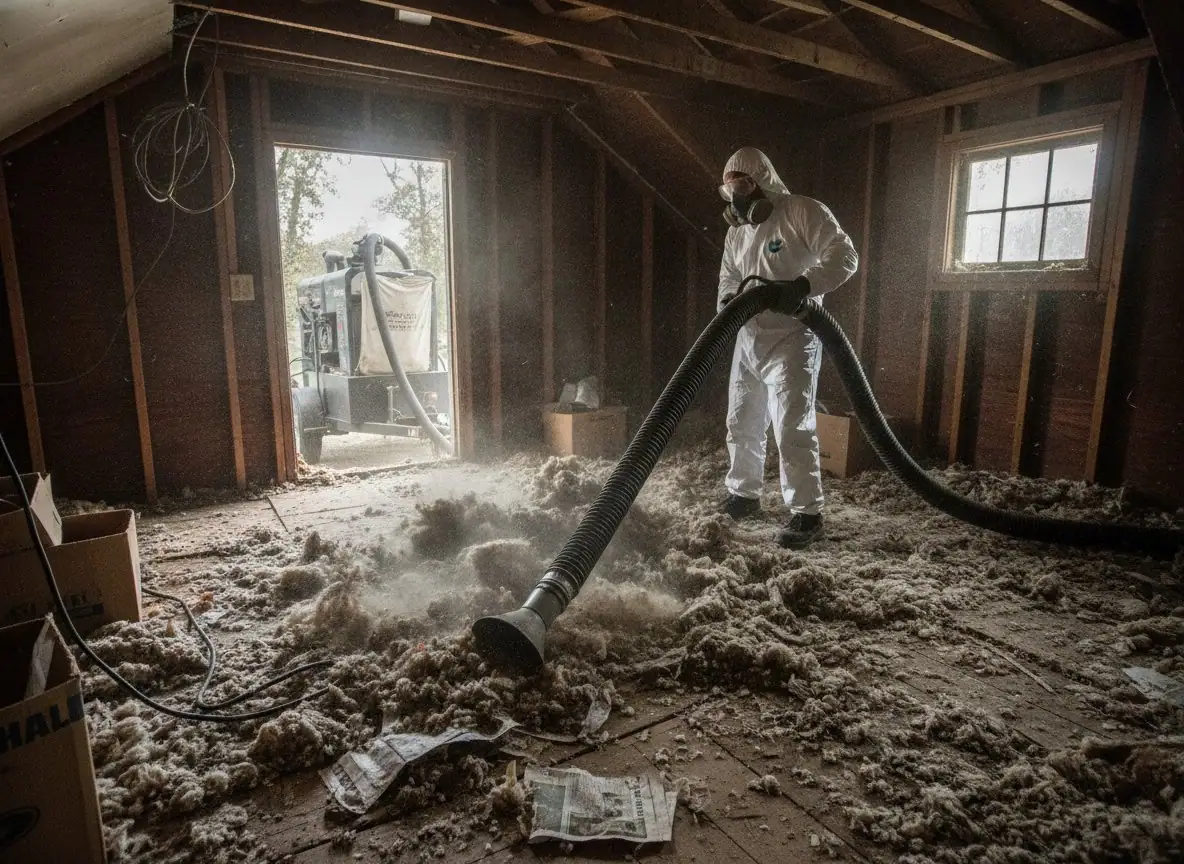
Understanding Crawl Space Insulation
A crawl space is a shallow, unfinished area beneath a home’s first floor — typically between 18 inches and 4 feet in height — that provides access to plumbing, electrical systems, and structural supports. Unlike a full basement, a crawl space is not designed for habitation, but what happens inside it directly affects the livability of your entire home.
Crawl space insulation involves installing thermal and moisture barriers on the floor joists, sub-floors, and foundation walls to prevent heat loss, stop moisture intrusion, and block outside air from infiltrating your living space. Historically, most mid-20th century homes in Southern California were built on raised foundations with open or vented crawl spaces — a design philosophy that assumed natural ventilation would keep moisture at bay. Decades of research and field experience have shown that this approach is often insufficient, particularly in coastal climates like Signal Hill’s.
Signal Hill sits at elevations ranging from approximately 150 to 365 feet above sea level, making it one of the higher points in the greater Long Beach area. Despite its elevation, the city is directly influenced by marine layer conditions pushed inland from the Pacific Ocean, creating persistent humidity at ground level. Many of Signal Hill’s residential structures were built between the 1940s and 1970s — a period when building codes did not mandate vapor barriers or comprehensive crawl space insulation. As a result, a significant percentage of homes in the area have uninsulated or poorly insulated crawl spaces that are actively losing energy and accumulating moisture.
Modern crawl space insulation goes beyond simply stuffing fiberglass batts between joists. Today’s best practices involve encapsulation — fully sealing the crawl space with heavy-duty vapor barriers, adding rigid foam or spray foam insulation to foundation walls, and sometimes installing dehumidification systems. This approach transforms the crawl space from a liability into a controlled, semi-conditioned environment that supports the health of the entire home.
Understanding the type of crawl space your Signal Hill home has is the first step toward selecting the right insulation solution. Our team assesses each property individually, accounting for soil conditions, existing vapor barriers, ventilation configurations, and structural variables unique to hillside and flatland parcels throughout the city.
Why Crawl Space Insulation Is Needed in Signal Hill, CA
Marine Layer Humidity and Coastal Moisture
Signal Hill experiences frequent marine layer intrusion, particularly from late spring through early fall — a phenomenon locals call “June Gloom” that can extend well into August. During these months, relative humidity near the ground can regularly reach 80–90%, and the cool, moisture-laden air from the Pacific settles into low-lying areas and penetrates unprotected crawl spaces. Over time, this persistent humidity causes wood rot in floor joists, mold and mildew growth on sub-floor sheathing, and degradation of any existing fiberglass insulation. The National Weather Service data for the Long Beach/Signal Hill corridor consistently shows coastal humidity levels that are significantly higher than just 10 miles inland — a critical distinction when evaluating crawl space risk.
Clay-Heavy Soil and Ground Moisture
Signal Hill’s soil profile is dominated by expansive clay — a material that retains moisture and swells when wet, then shrinks and cracks during dry periods. This clay soil is common throughout the hilltop and its surrounding slopes, and it releases ground moisture vapor upward through crawl space dirt floors year-round, even during dry summer months. Without a properly installed vapor barrier rated at 10–20 mil thickness, this ground moisture transfers directly into floor joists and insulation, reducing R-value and accelerating structural decay.
Aging Housing Stock and Outdated Construction
The majority of Signal Hill’s residential neighborhoods were developed during the 1940s through 1970s oil-boom and post-war expansion eras. Homes in areas like the Hilltop Historic District and along Cherry Avenue were constructed without vapor barriers and with minimal under-floor insulation. Building codes at the time did not require crawl space protection beyond basic ventilation screens, many of which are now damaged, corroded, or clogged — creating stagnant air pockets beneath homes rather than the ventilation they were designed to provide.
Energy Loss and Utility Costs
An uninsulated crawl space acts as a direct thermal bypass. In Signal Hill, where summer temperatures regularly climb into the low-to-mid 90s°F and winter nights can drop to the low 40s°F, conditioned air escapes through uninsulated floors at a rate that significantly elevates energy bills. Studies from the U.S. Department of Energy indicate that proper crawl space insulation can reduce heating and cooling costs by 10–20% in homes with raised foundations — a meaningful saving for Signal Hill homeowners already managing Southern California’s above-average utility rates.
Pest and Rodent Activity
Signal Hill’s hillside terrain and proximity to undeveloped lots and landscaped slopes creates active corridors for rodents, termites, and other pests. Uninsulated crawl spaces with damaged vents or open soil are inviting nesting environments. Rats and mice in crawl spaces contaminate and destroy insulation, compromise vapor barriers, and chew through wiring and plumbing — problems documented throughout Signal Hill’s older residential areas.
Free, no-obligation estimates
Talk to Clear Price Attic Insulation
Tell us what you need and we’ll take it from there.
Signs You Need Crawl Space Insulation in Signal Hill
Temperature and Comfort Issues
- Floors that feel cold or drafty in winter, especially on ground-level rooms
- Rooms above the crawl space that are consistently 5–10°F colder or warmer than the rest of the home
- HVAC system running longer than expected to maintain comfortable temperatures
- Noticeable drafts along baseboards or through floor-level gaps
Moisture and Air Quality Indicators
- Musty or earthy odors rising from floors, especially after rain or during humid weather
- Visible condensation on pipes, ducts, or sub-floor surfaces in the crawl space
- Increased allergy symptoms or respiratory irritation among household members
- Mold or mildew discoloration visible on floor joists or insulation
- Standing water or consistently damp soil in the crawl space
Structural and Visual Warning Signs
- Soft, spongy, or bouncy flooring — a potential indicator of joist rot
- Sagging or detached insulation hanging from floor joists
- Damaged, corroded, or missing foundation vents
- Evidence of rodent activity including droppings, nesting material, or chewed insulation
Urgency Note: If you observe standing water, significant mold growth, or active pest infestation, these require immediate professional assessment before insulation installation proceeds.
Crawl Space Insulation Methods and Approaches
Fiberglass Batt Insulation
Fiberglass batts installed between floor joists are the most traditional approach and remain appropriate for Signal Hill homes with well-sealed vapor barriers and dry, well-ventilated crawl spaces. Batts are available in R-13, R-19, and R-25 values. However, in Signal Hill’s coastal humidity environment, faced fiberglass batts can trap moisture against joists if improperly installed — making professional installation critical. Learn more about our fiberglass insulation services
Spray Foam Insulation
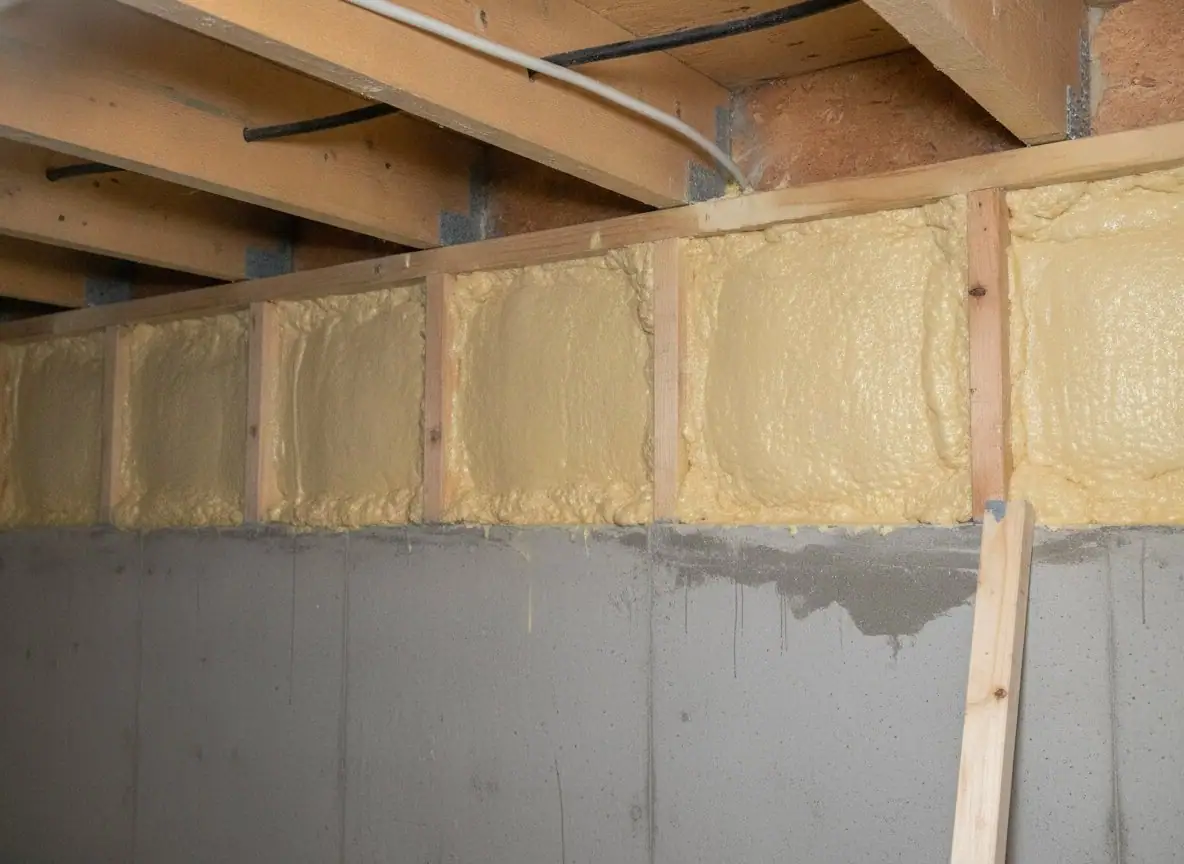
Closed-cell spray foam applied to foundation walls and rim joists creates an airtight, moisture-resistant thermal barrier ideal for Signal Hill’s humid crawl space conditions. It provides R-values of approximately 6.5 per inch and doubles as a vapor retarder. This method is particularly effective for Signal Hill homes with irregular foundation configurations common on hillside lots. Explore our spray foam insulation options
Blown-In Insulation
Blown-in cellulose or fiberglass can be applied in crawl spaces with difficult access or irregular joist spacing. This method is efficient for larger crawl spaces and provides good coverage around obstructions. Discover our blown-in insulation solutions
Full Crawl Space Encapsulation
The most comprehensive solution, encapsulation seals the entire crawl space — floor, walls, and sometimes ceiling — with vapor barriers and rigid or spray foam insulation, creating a fully controlled environment. This approach is strongly recommended for Signal Hill homes with high moisture readings, active condensation, or previous mold issues.
Crawl Space Insulation Cost in Signal Hill, CA
Understanding the Crawl Space Insulation in Signal Hill, CA cost helps homeowners plan effectively. Pricing varies based on crawl space size, existing conditions, and selected insulation method.
Typical Price Ranges
- Basic fiberglass batt installation: $1.50–$3.00 per square foot
- Spray foam insulation (foundation walls and rim joists): $3.00–$7.00 per square foot
- Vapor barrier installation only: $0.50–$1.50 per square foot
- Full encapsulation (vapor barrier + insulation + air sealing): $5,000–$15,000 for an average Signal Hill home
- Old insulation removal: $1.00–$2.50 per square foot
- Average complete project for a 1,200–1,800 sq ft Signal Hill home: $3,500–$9,000
Read moreShow less
Factors That Affect Your Signal Hill Quote
- Crawl space height and accessibility — Signal Hill hillside homes with low-clearance crawl spaces require additional labor time
- Extent of moisture damage and need for remediation prior to installation
- Presence of pest contamination requiring removal and sanitization
- Current vent condition and need for replacement or sealing
- Square footage of the crawl space
- Selected insulation type and R-value target
At Clear Price Attic Insulation, we believe in complete pricing transparency. Your written estimate will include every line item — no surprises. Contact us at 562-784-7649 for your free Signal Hill estimate today.
Signal Hill Neighborhoods We Serve
Hilltop Historic District
Homes in this area largely date to the 1940s–1960s, many constructed during Signal Hill’s oil boom era. These properties frequently feature original wood-framed raised foundations with unprotected crawl spaces. The hilltop elevation creates unique wind exposure that accelerates moisture infiltration through outdated foundation vents.
Cherry Avenue Corridor
Residential properties along and near Cherry Avenue span post-war bungalows through 1970s tract homes. Many were built with minimal crawl space protection and benefit greatly from modern vapor barrier and spray foam upgrades.
E. Spring Street and Willow Street Area
This lower-elevation section of Signal Hill includes homes built closer to the Long Beach flatlands, with slightly different soil drainage profiles that can increase ground moisture accumulation in crawl spaces during wet winters.
Pacific Coast Club and West Signal Hill
Newer construction in western Signal Hill includes townhome developments from the 1990s and 2000s that may have aging vapor barriers or original insulation approaching end of service life. We provide comprehensive assessments for these properties as well.
Crawl Space Insulation Maintenance Tips for Signal Hill Homeowners
- Inspect foundation vents twice yearly — in spring before June Gloom begins and in fall before winter rains — to confirm they are clear of debris and functioning properly.
- Check your vapor barrier annually for tears, punctures, or areas where it has pulled away from foundation walls, especially after seismic activity.
- Monitor interior humidity levels using an inexpensive hygrometer. Crawl space relative humidity consistently above 60% warrants professional evaluation.
- Trim back vegetation around foundation vents to maintain airflow and reduce pest entry points — particularly important given Signal Hill’s landscaped hillside lots.
- After heavy winter rains — Signal Hill averages 12–14 inches of annual rainfall — inspect the crawl space for standing water or increased moisture within 48 hours.
- Check for rodent evidence seasonally, as Signal Hill’s proximity to open hillside terrain creates persistent pest pressure.
- Do not store materials in the crawl space that can absorb moisture or attract pests.
- Schedule a professional inspection every 3–5 years to assess insulation R-value retention and vapor barrier integrity.
Why Choose Clear Price Attic Insulation in Signal Hill
When you search for Crawl Space Insulation in Signal Hill, CA near me, you deserve a contractor who understands the specific demands of this community — not a generic, one-size-fits-all approach. Clear Price Attic Insulation is a dedicated local insulation contractor serving Signal Hill and the surrounding Long Beach area communities.
We specialize exclusively in insulation services including attic insulation, spray foam, blown-in insulation, fiberglass insulation, insulation removal, attic cleaning, rodent proofing, and crawl space insulation — so you always work with specialists, not generalists.
Our pricing philosophy is simple: transparent, itemized quotes with no hidden fees. We explain exactly what we are doing, why we are doing it, and what results you can expect. Signal Hill homeowners appreciate knowing the full scope before any work begins. Call 562-784-7649 to schedule your free assessment.
FAQ
Frequently Asked Questions — Crawl Space Insulation in Signal Hill, CA
How much does crawl space insulation cost in Signal Hill, CA?
The cost varies based on crawl space size, condition, and method selected. Most Signal Hill homeowners invest between $3,500 and $9,000 for a complete crawl space insulation and vapor barrier project. Smaller projects addressing only vapor barriers or partial insulation can start around $1,500. We provide free, itemized written estimates so you know exactly what you are paying for before work begins.
How long does crawl space insulation installation take in Signal Hill?
Most projects are completed in one to two days. Homes requiring old insulation removal, extensive moisture remediation, or full encapsulation may take two to three days. We minimize disruption and work efficiently to respect your schedule.
Does Signal Hill’s coastal climate require a different approach to crawl space insulation?
Yes. Signal Hill’s marine layer humidity, clay-heavy soils, and frequent fog conditions mean that moisture control is as important as thermal performance. We recommend vapor barriers of at least 12 mil thickness and often favor closed-cell spray foam over standard fiberglass in high-moisture crawl spaces to prevent insulation degradation.
Do I need to remove old insulation before new insulation is installed?
Not always, but often yes. If existing insulation is moldy, pest-contaminated, compressed, or water-damaged — all common in Signal Hill’s older housing stock — removal is necessary before new materials are installed. Installing new insulation over compromised materials will not solve the underlying problem and can trap moisture against wood structures.
Can crawl space insulation help with rodent problems in Signal Hill?
Insulation alone does not eliminate rodents, but our crawl space work includes repairing or replacing damaged foundation vents and sealing entry points as part of the process. We also offer dedicated rodent proofing services to complement insulation work for complete protection.
What R-value is recommended for crawl space insulation in Signal Hill?
California Title 24 energy code and the U.S. Department of Energy recommend R-19 to R-25 for floor assemblies in Climate Zone 6, which covers Signal Hill. For foundation wall insulation in encapsulated crawl spaces, R-10 to R-15 is typically targeted. Our assessors will recommend the appropriate R-value based on your specific home’s construction and energy goals.
Will crawl space insulation reduce my energy bills?
Yes. Properly insulated and sealed crawl spaces reduce the thermal bypass effect that allows conditioned air to escape through uninsulated floors. Signal Hill homeowners typically see measurable reductions in heating and cooling costs, with the U.S. Department of Energy estimating 10–20% savings for homes with previously uninsulated crawl spaces.
How do I know if my Signal Hill home needs crawl space insulation or just a vapor barrier?
This depends on your current crawl space conditions. Some homes primarily need moisture control via a vapor barrier, while others need both insulation and a vapor barrier. A few may need full encapsulation. Our free on-site assessment gives you a clear, honest recommendation based on what your specific home actually needs — not an upsell.
Get Your Free Crawl Space Insulation Estimate in Signal Hill Today
Do not let Signal Hill’s coastal humidity, clay soils, and aging crawl spaces silently damage your home’s structure, air quality, and energy efficiency. Clear Price Attic Insulation is ready to provide a thorough, no-obligation assessment and a fully transparent written quote.
Whether you are dealing with musty odors, cold floors, high energy bills, or visible moisture in your crawl space, our Signal Hill insulation specialists have the expertise and the right materials to solve the problem correctly the first time.
Call us now at 562-784-7649 or reach out online to schedule your free crawl space insulation assessment. Serving Signal Hill and surrounding Long Beach communities — we are local, transparent, and ready to help.
Get in touch
Find insulation help near you
Request a free estimate online or give us a call — our team will follow up quickly.
- Call us(562) 784-7649
- Visit1653 E 28th St #6, Signal Hill, CA 90755
- HoursMon-Sun 07:00-19:00