

Closed Cell Spray Foam Insulation in Signal Hill, CA
Energy-Saving Closed Cell Spray Foam Insulation for Signal Hill, CA Homes — Licensed & Insured
Get expert closed cell spray foam insulation in Signal Hill, CA. Clear Price Attic Insulation offers transparent pricing & local expertise. Call (562) 784-7649 today.
Closed cell spray foam insulation is one of the most advanced and highest-performing insulation solutions available to homeowners and commercial property owners today. Unlike traditional fiberglass batts or open cell foam, closed cell spray foam creates a rigid, airtight barrier with an R-value of approximately 6.0–7.0 per inch — making it the premium choice for properties that demand superior thermal performance, moisture resistance, and structural reinforcement.
In Signal Hill, CA, where coastal marine air rolls in from the Pacific, petroleum-era building stock presents unique structural challenges, and temperature swings between summer heat and cool marine layer nights are a daily reality, choosing the right insulation is not a luxury — it is a necessity. At Clear Price Attic Insulation, we bring deep local knowledge and hands-on expertise to every closed cell spray foam project in Signal Hill and the surrounding South Bay and Greater Long Beach communities. Call us today at (562) 784-7649 to schedule your consultation.
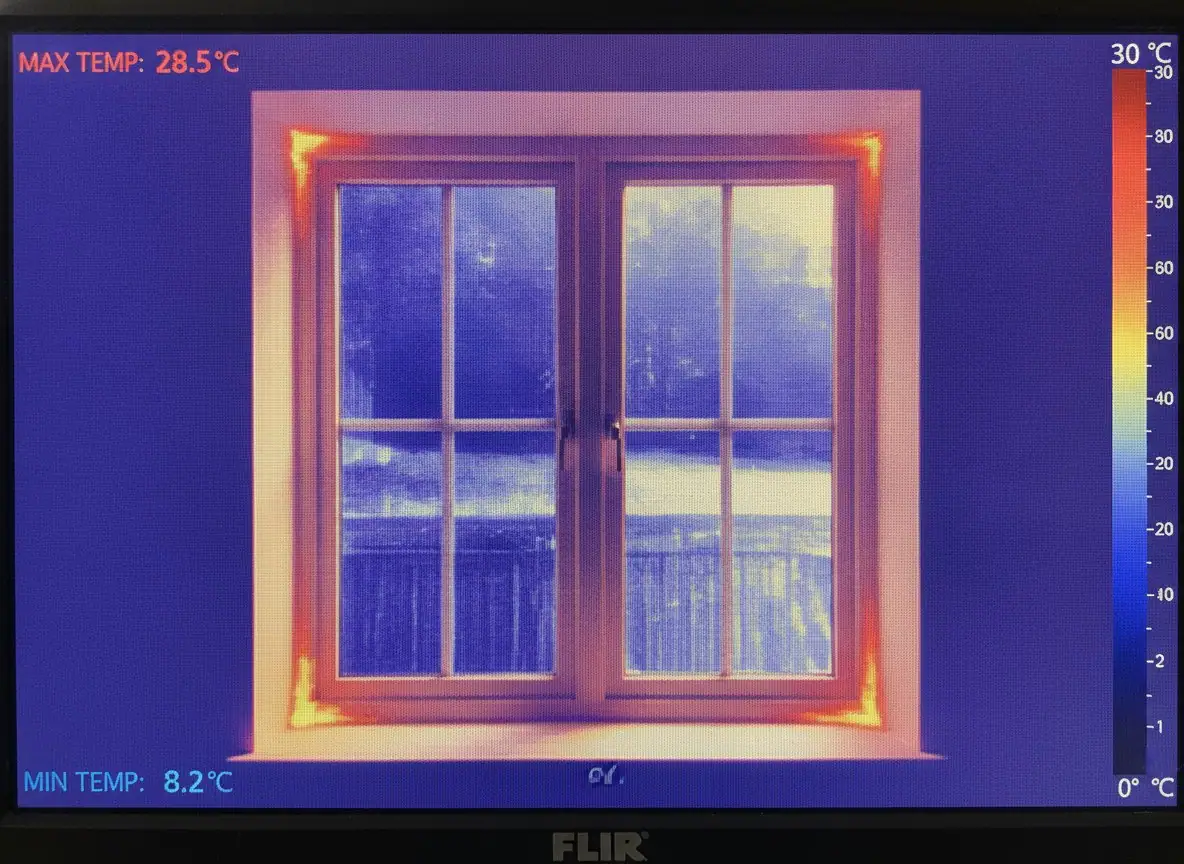
Understanding Closed Cell Spray Foam Insulation
Closed cell spray foam insulation (CCSF) is a two-component polyurethane material that is mixed on-site and applied as a liquid that rapidly expands and hardens into a dense, rigid foam. The term “closed cell” refers to the microscopic cellular structure of the cured foam: each tiny cell is completely enclosed, trapping an insulating gas inside and preventing air or moisture from passing through.
This is in direct contrast to open cell spray foam, which has a softer, sponge-like structure with interconnected cells that allow some vapor transmission. Closed cell spray foam is approximately twice as dense as open cell foam, giving it a significantly higher R-value per inch and making it impermeable to liquid water and water vapor when applied at the proper thickness — typically 2 inches or more for a Class II vapor retarder rating.
Read moreShow less
Historically, spray polyurethane foam technology was developed in the mid-20th century, originally for industrial and commercial refrigeration applications. By the 1980s and 1990s, residential applications became more widespread, and modern closed cell formulations have evolved to use more environmentally responsible blowing agents. Today, CCSF is recognized by the International Residential Code (IRC) and California Building Code as a high-performance insulation product suitable for attics, crawl spaces, rim joists, walls, and rooflines.
In Signal Hill specifically, the building stock is eclectic. The city encompasses everything from early 20th-century bungalows built during the oil boom era of the 1920s and 1930s to mid-century commercial structures and modern multi-unit residential developments. Many older Signal Hill properties were constructed before modern energy codes, meaning wall cavities, attic spaces, and crawl spaces were either under-insulated or insulated with materials that have since degraded. Closed cell spray foam is particularly well-suited for retrofitting these older structures because it conforms to irregular framing geometries, seals gaps that batts cannot reach, and adds measurable racking strength to aging wood-frame construction.
Builders and remodelers working on new construction in the Signal Hill area also increasingly specify closed cell spray foam in unvented attic assemblies, where the foam is applied directly to the underside of the roof deck, creating a conditioned attic that keeps HVAC equipment within the building’s thermal envelope. Learn more about our spray foam insulation services
Why Closed Cell Spray Foam Insulation Is Needed in Signal Hill, CA
Signal Hill occupies a geographically distinct position: a 2.2-square-mile incorporated city perched atop a prominent hill entirely surrounded by Long Beach. Its elevation — reaching approximately 365 feet above sea level at its highest point — exposes properties to persistent coastal winds and a marine layer that blankets the area for much of the spring and early summer months, a phenomenon locals call “May Gray” and “June Gloom.” This sustained moisture-laden air infiltrates building envelopes through any available gap, making vapor-impermeable insulation like closed cell spray foam a critical line of defense.
Signal Hill’s climate falls under the ASHRAE Climate Zone 3C designation, characterized by warm, dry summers and mild, moist winters. Average summer highs in Signal Hill hover around 85°F, but the marine layer can keep morning temperatures in the upper 50s°F even in July, creating a daily thermal swing of 20–30°F that repeatedly stresses building materials and drives heat through under-insulated assemblies. Properties along the hillside’s western and southern exposures — including neighborhoods adjacent to Cherry Avenue and Willow Street — experience the most direct wind-driven moisture exposure.
Read moreShow less
The city’s oil heritage adds another layer of complexity. Signal Hill was the site of one of the most productive oil fields in California history, with the Alamitos No. 1 well struck in June 1921 triggering a decades-long drilling boom. Hundreds of oil wells were drilled across the hill, and the legacy infrastructure — including abandoned well casings, soil disturbance, and methane migration pathways — continues to affect properties throughout Signal Hill. The Los Angeles County Department of Public Works and the California Division of Oil, Gas, and Geothermal Resources (DOGGR) have documented methane gas seepage in several areas of the city. Closed cell spray foam’s airtight seal provides a meaningful barrier against methane intrusion in crawl spaces and lower-level floor assemblies, an issue virtually unique to Signal Hill among South Bay communities.
Soil conditions on the hill also contribute to the need for robust insulation and moisture management. The Puente Formation soils prevalent in Signal Hill are expansive clay-rich soils that retain moisture and can shift seasonally, leading to foundation movement in older homes. Foundation cracking creates air infiltration pathways that allow conditioned air to escape and unconditioned air to enter. Crawl spaces in homes along Burnett Street, Temple Avenue, and Hill Street corridors commonly show signs of moisture accumulation and inadequate vapor control. Closed cell spray foam applied to crawl space walls and rim joists — often paired with crawl space encapsulation services — addresses both air sealing and moisture management simultaneously.
Regional wildfire smoke events, which have increased in frequency and severity with California’s ongoing climate shifts, also underscore the importance of a tight building envelope. During the 2020 wildfire season, air quality in the Long Beach and Signal Hill area fell into the “Unhealthy” and “Very Unhealthy” AQI categories on multiple days. A closed cell spray foam air seal significantly reduces the infiltration of particulate-laden outdoor air into living spaces, improving indoor air quality during smoke events.
Free, no-obligation estimates
Talk to Clear Price Attic Insulation
Tell us what you need and we’ll take it from there.
Signs You Need Closed Cell Spray Foam Insulation in Signal Hill
Energy Performance Issues
- Monthly electricity bills exceeding typical Signal Hill averages — residential customers on SCE’s standard rate often see summer cooling bills spike well above $200 when insulation is inadequate
- HVAC system running continuously without reaching the thermostat setpoint, especially during Santa Ana wind events when outdoor temperatures in Signal Hill can reach 95°F or higher
- Uneven room temperatures, with upper-floor rooms or south-facing rooms significantly warmer than the rest of the home
Moisture and Air Quality Indicators
- Visible condensation on interior wall surfaces or window frames during marine layer mornings
- Musty odors in the attic or crawl space, indicating mold or mildew growth driven by moisture infiltration
- Detectable odors consistent with methane or petroleum compounds in lower levels or crawl spaces — a Signal Hill-specific concern tied to legacy oil field infrastructure
- Elevated indoor humidity levels above 60% RH during June Gloom season
Structural and Visual Symptoms
- Existing fiberglass batt insulation that has sagged, compressed, or shows discoloration from moisture contact
- Visible daylight or air movement detectable around rim joists, attic hatches, or wall penetrations
- Ice-cold floors above crawl spaces during winter months
If you observe two or more of these signs, contact Clear Price Attic Insulation at (562) 784-7649 for a prompt assessment. Explore our insulation removal and replacement services
Our process
Our Closed Cell Spray Foam Insulation Process in Signal Hill
- 01
Initial Consultation and Energy Assessment (Day 1 — 1 to 2 Hours)
Our process begins with a no-obligation on-site consultation at your Signal Hill property. We walk through the attic, crawl space, and any target application areas with our technicians, documenting existing insulation conditions, air leakage points, moisture i
- 02
Scope of Work and Transparent Pricing (Day 1–2)
We prepare a detailed written estimate with line-item pricing — no vague “per job” quotes. You will see exactly what thickness of closed cell spray foam is specified, the square footage of coverage, and the projected R-value outcome. For Signal Hill properties
- 03
Site Preparation (Installation Day — 1 to 2 Hours)
Before spraying begins, our team masks and protects all surfaces, fixtures, electrical components, and HVAC equipment in the application zone. Existing degraded insulation is removed if required — a service we handle in-house with our professional insulation r
- 04
Closed Cell Spray Foam Application (Installation Day — 2 to 6 Hours Depending on Scope)
Our certified technicians apply closed cell spray foam in measured passes, typically building up to the specified thickness in two or more layers to ensure consistent cell structure and full adhesion. Equipment is calibrated on-site for Signal Hill’s ambient t
- 05
Cure Time and Quality Inspection (Same Day — 1 to 2 Hours After Application)
Closed cell spray foam reaches initial cure within minutes and full cure within 24 hours. After adequate cure time, our technician performs a visual and physical inspection, checking for voids, thin spots, or adhesion failures. Thickness is verified at multipl
- 06
Post-Installation Ventilation and Clearance (Same Day)
We ensure the space is adequately ventilated following manufacturer and OSHA guidelines before occupant re-entry is permitted — typically 24 hours for enclosed spaces. We provide written documentation of the installed R-value, material specification sheets, an
Closed Cell Spray Foam Methods and Application Approaches
Unvented Attic (Hot Roof) Application
In this approach, closed cell spray foam is applied directly to the underside of the roof sheathing, sealing the attic from the outside environment and bringing it within the building’s conditioned envelope. This method is ideal for Signal Hill homes where HVAC ductwork is routed through the attic — a common configuration in the 1950s and 1960s ranch-style homes found in the northeastern sections of the city. By conditioning the attic space, duct losses that can account for 20–30% of HVAC energy use are dramatically reduced.
Crawl Space Wall and Rim Joist Application
Closed cell foam is applied to the interior walls of the crawl space foundation and to the rim joist band — the area where the floor framing meets the foundation. This is particularly relevant in Signal Hill given the expansive soil conditions and documented moisture issues in crawl spaces on properties along the hill’s lower elevations. This method complements crawl space insulation services and pairs well with full encapsulation.
Wall Cavity Injection and Open-Wall Application
During renovation projects where wall cavities are exposed, closed cell spray foam can be applied directly to stud bays before new drywall is installed. This is common in Signal Hill’s older bungalows and Craftsman-era homes undergoing kitchen or bathroom remodels.
Flash-and-Batt Hybrid System
A thin layer (typically 1–2 inches) of closed cell spray foam is applied as an air and vapor barrier — the “flash” coat — followed by conventional blow-in insulation or batts to achieve the full target R-value. This approach balances performance and cost-effectiveness for Signal Hill homeowners seeking an upgrade without a full premium-foam budget.
Closed Cell Spray Foam Insulation Cost in Signal Hill, CA
Understanding the cost of closed cell spray foam insulation helps Signal Hill property owners budget accurately. Nationally, closed cell spray foam is priced between $1.50 and $3.50 per board foot (one board foot = one square foot at one inch thick). In the greater Los Angeles and Long Beach metro area — including Signal Hill — installed costs typically range from $2.00 to $3.25 per board foot, reflecting Southern California labor rates, material logistics, and regional demand.
Typical Project Cost Ranges in Signal Hill
- Crawl space rim joist sealing (average Signal Hill 1,500 sq ft home): $800–$1,800
- Unvented attic application at 3 inches (1,200 sq ft attic): $4,500–$7,200
- Full crawl space wall and floor application: $2,500–$5,500
- Flash-and-batt system (attic, 1,200 sq ft): $2,200–$4,000
Read moreShow less
Key Cost Factors
- Application thickness: Each additional inch of foam adds proportionally to material and labor cost
- Accessibility: Signal Hill’s hillside properties sometimes feature low-clearance crawl spaces or steeply pitched attic spaces that increase labor time
- Existing insulation removal: If prior insulation must be removed, add $1.00–$2.00 per square foot for professional removal
- Scope complexity: Homes with complex rooflines, multiple penetrations, or methane mitigation requirements carry higher prep costs
For an accurate Signal Hill Closed Cell Spray Foam Insulation cost estimate specific to your property, call Clear Price Attic Insulation at (562) 784-7649. We provide transparent, itemized quotes with no hidden fees.
Neighborhoods We Serve in and Around Signal Hill
Signal Hill Hilltop District
Homes near the Summit of Signal Hill along Temple Avenue and Hill Street represent some of the city’s oldest residential stock, with many properties dating to the 1920s and 1930s oil boom era. These homes frequently have uninsulated or minimally insulated attics and crawl spaces with wood-frame construction that benefits greatly from closed cell foam’s air sealing and structural reinforcement properties.
Long Beach (Northern Border Communities)
The neighborhoods of Long Beach immediately surrounding Signal Hill — including areas near Cherry Avenue and Spring Street — contain a dense mix of 1940s–1960s single-family homes and small multi-unit buildings. Attic insulation upgrades and crawl space work are among the most requested services in this corridor.
Carson and Compton
Inland communities like Carson and Compton experience greater summer heat exposure than Signal Hill, with fewer marine cooling benefits. Closed cell spray foam in attic applications provides critical summertime comfort improvements for homeowners in these areas. We also serve crawl space encapsulation needs across Compton, East Compton, and Paramount.
Seal Beach and Los Alamitos
Coastal Seal Beach and adjacent Los Alamitos and Rossmoor feature older housing tracts built in the 1950s–1970s. Salt-air exposure in these communities makes vapor-impermeable closed cell foam particularly valuable for protecting structural framing from moisture-related deterioration.
Maintenance Tips for Closed Cell Spray Foam Insulation in Signal Hill
- Annual visual inspection: Once per year — ideally in the fall before winter rains — visually inspect accessible spray foam surfaces in the attic and crawl space for any signs of delamination, cracking, or pest intrusion.
- Monitor crawl space humidity: Install a simple hygrometer in the crawl space. Signal Hill’s marine air can drive crawl space humidity above 70% RH during June Gloom season; sustained high humidity warrants investigation even with foam installed.
- Protect foam from UV exposure: Closed cell foam exposed to direct sunlight will degrade over time. Ensure any foam in exposed locations is covered with a thermal barrier or intumescent coating as required by code.
- Seal new penetrations promptly: Any new plumbing, electrical, or HVAC penetrations through a spray foam-sealed assembly should be resealed with compatible sealant or additional foam immediately.
- Check for pest entry points: Rodents will not penetrate properly applied closed cell foam, but inspect the perimeter of the foam boundary annually for any signs of gnawing or gap formation at the foam-to-framing interface.
- Keep attic ventilation pathways clear: For vented attic designs where foam is used only at the attic floor level, ensure soffit and ridge vents remain unobstructed to maintain the designed ventilation rate.
- Document your installation: Keep your project documentation, including R-value specifications and material data sheets, with your home records for future reference during real estate transactions or permit applications.

Why Choose Clear Price Attic Insulation for Closed Cell Spray Foam in Signal Hill
At Clear Price Attic Insulation, we have built our reputation in Signal Hill and the surrounding Greater Long Beach region on one foundational commitment: transparent, honest pricing paired with technically excellent work. We do not use bait-and-switch estimates or vague per-job quotes. When you call us at (562) 784-7649, you receive a detailed, itemized written estimate before any work begins — hence our name.
Our technicians understand Signal Hill’s specific conditions: the marine layer moisture dynamics, the legacy oil field methane concerns, the aging housing stock on the hilltop, and the Title 24 energy code requirements that govern California insulation projects. We serve the full spectrum of property types across Signal Hill and our broader service area — from 1920s bungalows to modern commercial buildings.
Read moreShow less
We offer a comprehensive range of related services including attic insulation, blow-in insulation, crawl space encapsulation, crawl space insulation, and insulation removal and replacement — giving you a single, trusted contractor for all your building envelope needs in Signal Hill, CA.
FAQ
Frequently Asked Questions About Closed Cell Spray Foam Insulation in Signal Hill
How much does closed cell spray foam insulation cost in Signal Hill, CA?
In Signal Hill, installed closed cell spray foam typically costs between $2.00 and $3.25 per board foot, depending on application thickness, accessibility, and project scope. A full attic application on a 1,200-square-foot attic at 3 inches typically runs $4,500–$7,200. We provide transparent, itemized quotes — call (562) 784-7649 for a site-specific estimate.
Is closed cell spray foam appropriate for Signal Hill’s climate?
Absolutely. Signal Hill’s ASHRAE Climate Zone 3C designation, characterized by marine layer moisture, daily thermal swings, and cool coastal nights, makes vapor-impermeable closed cell foam an excellent fit. Its dual function as both a thermal insulator and a Class II vapor retarder addresses the specific challenges of Signal Hill’s coastal marine environment.
Can closed cell spray foam help with methane concerns in Signal Hill?
Closed cell spray foam’s airtight seal can be a meaningful component of a methane management strategy in Signal Hill crawl spaces and lower-level floor assemblies, given the city’s oil field heritage. However, it should be considered one layer of a broader methane mitigation plan. Consult with a qualified environmental contractor if active methane intrusion is suspected, and mention this concern when you contact us so we can adapt our installation approach accordingly.
How long does a closed cell spray foam installation take in Signal Hill?
Most residential projects in Signal Hill are completed in a single day. A crawl space rim joist application may take 2–4 hours; a full attic unvented assembly project may take 4–8 hours. Re-entry to enclosed spaces is generally permitted after 24 hours following application.
Do I need to remove my old insulation before closed cell spray foam is installed?
It depends on the condition and type of existing insulation. Degraded, moisture-damaged, or contaminated insulation should be removed first for best results. Our insulation removal service handles this efficiently. In some retrofit applications, closed cell foam can be applied over existing materials, but our technician will assess this during the consultation.
Does closed cell spray foam qualify for California energy rebates?
Southern California Edison (SCE) and SoCalGas periodically offer rebate programs for qualifying insulation upgrades in their service territories, which includes Signal Hill. Federal tax credits for home energy improvements may also apply. We recommend checking the current ENERGY STAR and SCE rebate portals, and we can provide the documentation of installed R-values needed to support a rebate application.
How does closed cell spray foam compare to open cell foam for Signal Hill properties?
For Signal Hill’s moisture-exposed environment, closed cell foam is generally the preferred choice where vapor control and moisture resistance are priorities — particularly in crawl spaces, rim joists, and unvented attic assemblies. Open cell foam, while less expensive, is vapor-permeable and not appropriate as a vapor retarder in high-humidity or marine-adjacent applications without additional vapor control layers.
Do you serve areas near Signal Hill as well?
Yes. Clear Price Attic Insulation serves Signal Hill and a broad surrounding region including Long Beach, Lakewood, Carson, Compton, Norwalk, Bellflower, Cerritos, Artesia, Lynwood, Paramount, South Gate, Hawaiian Gardens, Wilmington, Harbor City, East Compton, West Carson, Los Alamitos, Rossmoor, and Seal Beach. Call (562) 784-7649 to confirm service availability for your address.
Get Your Closed Cell Spray Foam Insulation Quote in Signal Hill Today
If you are ready to upgrade your Signal Hill property with high-performance closed cell spray foam insulation, Clear Price Attic Insulation is ready to help. We bring local expertise, transparent pricing, and proven installation technique to every project — from hilltop bungalows with oil-era crawl spaces to modern Long Beach-area commercial buildings.
Stop overpaying on energy bills. Stop tolerating marine layer moisture infiltrating your home. Stop wondering what your insulation project will actually cost.
Call us now at (562) 784-7649 to schedule your on-site consultation and receive a detailed, no-obligation written estimate. Our team is standing by to serve Signal Hill and all surrounding communities in the Greater Long Beach area.
Get in touch
Find insulation help near you
Request a free estimate online or give us a call — our team will follow up quickly.
- Call us(562) 784-7649
- Visit1653 E 28th St #6, Signal Hill, CA 90755
- HoursMon-Sun 07:00-19:00