
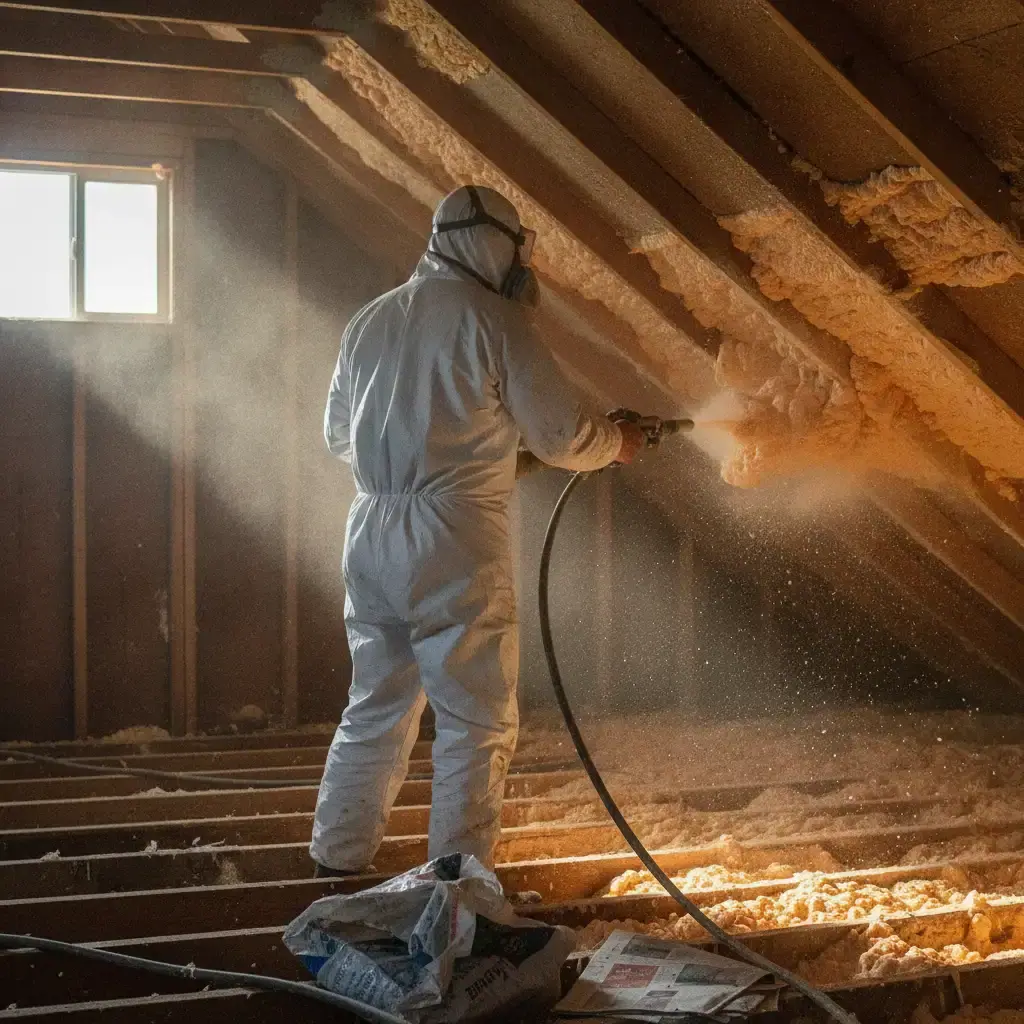
Floor Insulation in Signal Hill, CA
Energy-Saving Floor Insulation for Signal Hill, CA Homes — Licensed & Insured
Expert floor insulation in Signal Hill, CA. Clear Price Attic Insulation offers batt, spray foam & encapsulation. Free estimates. Call (562) 784-7649 today.
Floor insulation is the process of installing thermal and acoustic barrier materials beneath the floors of your home or commercial property to regulate indoor temperatures, reduce energy loss, and improve comfort year-round. In Signal Hill, CA — a hillside city perched atop one of the most historically significant oil-rich elevations in Los Angeles County — homes face a unique combination of coastal marine air, older construction standards, and challenging crawl space conditions that make floor insulation not just a comfort upgrade, but a structural necessity.
At Clear Price Attic Insulation, we specialize in delivering professional floor insulation solutions tailored to the specific demands of Signal Hill properties. Whether you own a post-war bungalow near the hilltop, a mid-century raised foundation home, or a modern multi-unit building, our team understands the microclimatic and structural factors that affect insulation performance in this community. Call us today at (562) 784-7649 to schedule your assessment.
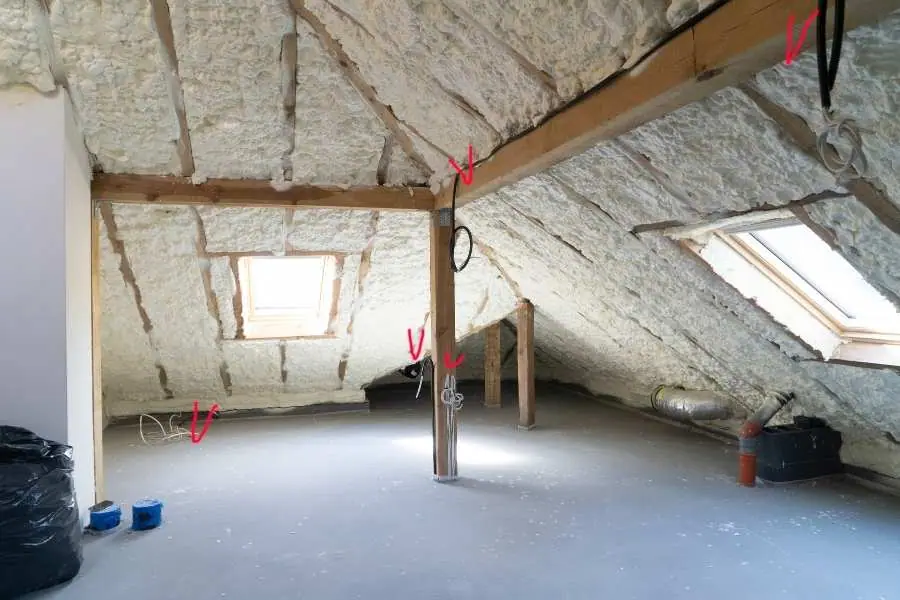
Understanding Floor Insulation in Signal Hill, CA
Floor insulation refers to any thermally resistant material installed beneath the finished floor surface — typically inside a crawl space, between floor joists, or under a concrete slab — to slow the transfer of heat between the ground and the living space above. Effective floor insulation keeps homes warmer in winter, cooler in summer, and significantly quieter throughout the year by absorbing airborne and impact sound.
The concept of insulating floors dates back centuries, but modern building science has transformed it into a precision discipline. Early California homes built in the 1920s and 1930s often relied entirely on hardwood subfloors with no insulating layer at all, leaving occupants vulnerable to cold drafts rising from the earth below. By the 1950s and 1960s, as Signal Hill transitioned from an industrial oil-production landscape to a residential community, builders began constructing raised-foundation homes that created crawl space voids — unintentionally ideal spaces for insulation retrofits, but also for moisture intrusion, pests, and energy loss when left untreated.
Read moreShow less
In Signal Hill specifically, a large portion of the residential building stock was constructed between 1945 and 1975, coinciding with the post-war housing boom that followed the winding down of active oil derrick operations on the hill. Many of these homes feature wood-framed raised foundations with crawl spaces ranging from 18 inches to 36 inches in clearance — perfectly accessible for installing modern batts, spray foam, or rigid board insulation but chronically under-insulated by today’s California Title 24 energy code standards.
Slab-on-grade construction became more prevalent in Signal Hill from the 1980s onward, particularly in the flatter western parcels near Cherry Avenue and in newer condominium developments. These properties require different floor insulation strategies, including sub-slab insulation or interior radiant barrier systems. Understanding which building type you have is the critical first step in designing an effective floor insulation solution.
Floor insulation materials used today include fiberglass batts, mineral wool batts, open-cell and closed-cell spray polyurethane foam, rigid foam boards, and blown-in cellulose. Each material carries different R-values, moisture resistance ratings, and installation requirements. For Signal Hill homes, vapor-resistant and moisture-tolerant materials are particularly important given the proximity to marine coastal air and seasonal humidity fluctuations.
Why Floor Insulation Is Needed in Signal Hill, CA
Signal Hill sits at an elevation of approximately 365 feet above sea level, making it one of the highest points in the greater Long Beach metropolitan area. This elevation creates a distinct microclimate compared to the surrounding flatlands. Marine layer fog from the Pacific Ocean — typically arriving from the southwest between May and September in what locals call the “June Gloom” pattern — regularly blankets the hill and increases ambient humidity levels. Average relative humidity in Signal Hill can reach 85–90% on marine layer mornings, driving moisture into exposed crawl spaces and uninsulated subfloor assemblies.
The underlying geology of Signal Hill adds another layer of complexity. The hill sits above the Signal Hill Oil Field, one of the most productive oil-bearing formations in California history, first tapped commercially in 1921. Decades of oil extraction and subsidence have created soil conditions that are unusually porous and, in some areas, subject to ground moisture migration. Homes on the northern and eastern slopes — neighborhoods like the Panorama Drive corridor and the Dawson Avenue residential tracts — frequently report higher-than-average crawl space moisture readings, with relative humidity levels inside unencapsulated crawl spaces exceeding 70% during wet winters.
Read moreShow less
Signal Hill experiences an average annual rainfall of approximately 12–14 inches, concentrated almost entirely between November and March. During the historically significant El Niño rain events of 1997–1998 and again in 2022–2023, hillside properties experienced accelerated soil saturation and water intrusion into crawl spaces. Homes lacking proper floor insulation and crawl space vapor barriers reported floor surface temperature differentials of up to 15°F between insulated and uninsulated sections — creating uncomfortable living conditions and driving heating costs significantly higher.
The proximity to Long Beach and the industrial harbor corridor also means Signal Hill properties are exposed to higher-than-average particulate matter and air quality variability. Uninsulated and unsealed crawl spaces act as conduits for outside air — including dust, pollen, and pollutants — to infiltrate living spaces from below. Installing proper floor insulation with an integrated air barrier dramatically reduces this infiltration pathway.
Energy costs in Los Angeles County have risen substantially over the past decade, with Southern California Edison residential rates increasing by more than 30% between 2018 and 2024. For Signal Hill homeowners on fixed incomes or managing multi-unit properties near Temple Avenue and California Street, underperforming floor insulation translates directly into elevated monthly utility bills. Studies from the California Energy Commission indicate that properly insulated floors can reduce heating and cooling energy consumption by 10–20% in raised-foundation homes, representing meaningful annual savings in this cost environment.
Older Signal Hill homes in the Cherry Park neighborhood and along Hill Street also frequently suffer from cold floor syndrome — a condition where floor surface temperatures drop 8–12°F below room air temperature during winter months — making living rooms and bedrooms uncomfortable and forcing residents to over-rely on space heaters, which carry fire and carbon monoxide risks.
Free, no-obligation estimates
Talk to Clear Price Attic Insulation
Tell us what you need and we’ll take it from there.
Signs You Need Floor Insulation in Signal Hill
Temperature and Comfort Indicators
- Floors feel noticeably cold to the touch during winter months, especially in the morning before heating systems activate
- Significant temperature differences (5°F or more) between rooms located above the crawl space versus slab-on-grade areas
- Drafts or cool air rising through floor gaps, around baseboards, or through hardwood floor seams
- Heating and cooling systems running excessively long cycles without achieving comfortable thermostat settings
Moisture and Structural Warning Signs
- Visible condensation or frost on floor joists, subfloor sheathing, or pipes during cold mornings
- Musty or earthy odors emanating from floor vents or crawl space access points
- Cupping, warping, or buckling of hardwood floors indicating elevated moisture content in the subfloor
- Evidence of mold, mildew, or wood rot on exposed joist surfaces visible through the crawl space access
Energy and Cost Indicators
- Monthly utility bills consistently higher than neighboring comparable homes
- Existing floor insulation that is visibly damaged, sagging, water-stained, or compressed below its rated thickness
- Home built before 1980 with no documented insulation upgrade history
Urgency Note: Sagging or wet insulation batts, visible mold on joists, and persistent moisture readings above 19% in wood members require immediate professional attention to prevent structural damage.
Our process
Our Floor Insulation Process in Signal Hill
- 01
Initial Property Assessment (1–2 Hours)
Our technician performs a comprehensive evaluation of your Signal Hill property, including crawl space entry and inspection, infrared thermal imaging of floor surfaces, moisture meter readings of subfloor and joist members, and documentation of existing insula
- 02
Detailed Written Estimate (Same Day or Next Business Day)
We provide a transparent, itemized written estimate with material specifications, R-value targets meeting or exceeding California Title 24 requirements (minimum R-19 for floors over unconditioned spaces in Climate Zone 9, which covers Signal Hill), labor costs
- 03
Site Preparation (2–4 Hours on Installation Day)
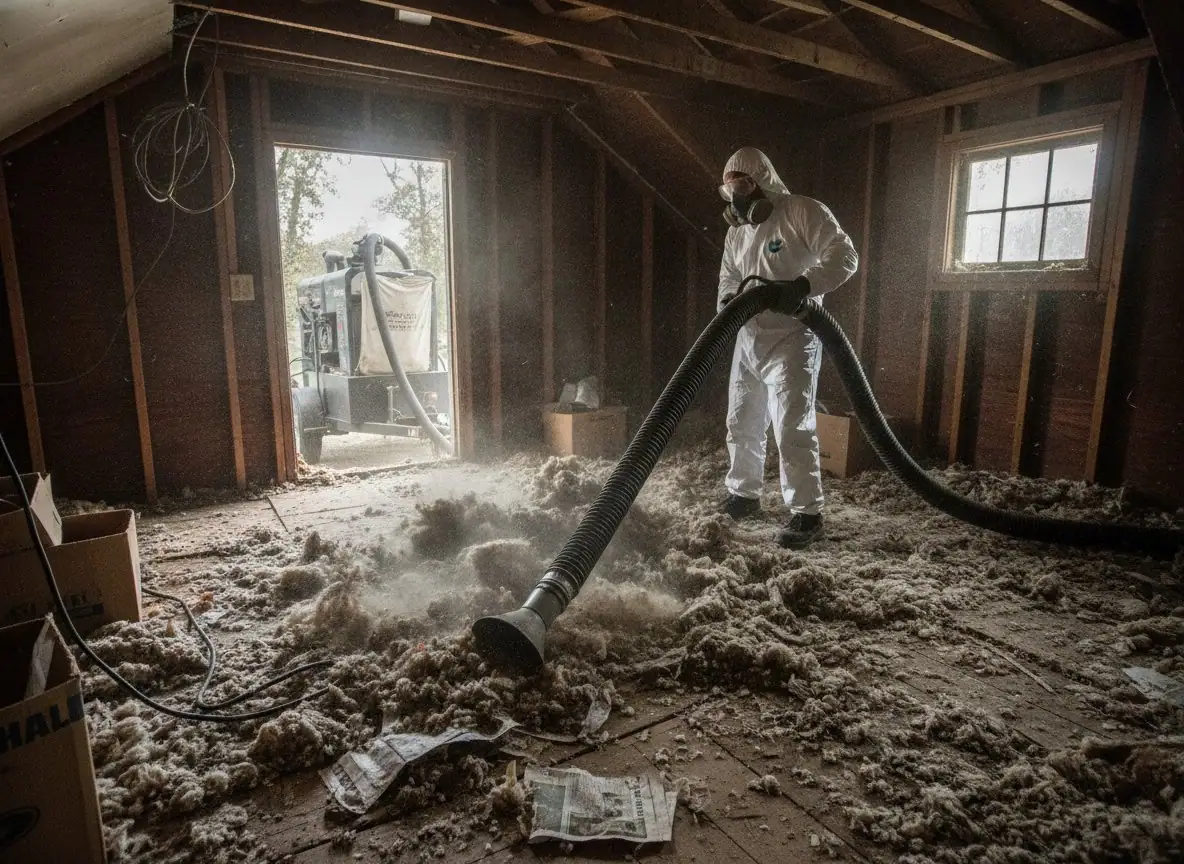
Our crew prepares the crawl space or floor cavity for installation, including removing damaged or pest-compromised existing insulation, sealing major air penetrations with appropriate foam or caulk, and installing any required pest barriers or wire mesh retain
- 04
Vapor Barrier Installation (1–3 Hours)
Given Signal Hill’s elevated crawl space humidity conditions, we install a minimum 6-mil polyethylene vapor barrier — or upgrade to a 20-mil reinforced barrier for high-moisture hillside properties — across all ground surfaces before proceeding with overhead f
- 05
Insulation Installation (4–8 Hours Depending on Scope)
We install your selected insulation material between floor joists or against foundation walls, ensuring complete coverage with no voids, proper friction fit or mechanical retention, and correct vapor retarder orientation based on Signal Hill’s climate zone spe
- 06
Air Sealing and Finishing (1–2 Hours)
All penetrations, joist bay ends, and rim joist areas are air-sealed to complete the thermal envelope. Crawl space vents are evaluated and adjusted per current best practices.
- 07
Final Inspection and Documentation
We conduct a post-installation thermal imaging walkthrough and provide you with written documentation of materials installed, R-values achieved, and care instructions.
Floor Insulation Methods and Approaches
Fiberglass Batt Insulation
The most widely used method for Signal Hill’s raised-foundation homes with standard 16-inch or 24-inch on-center joist spacing. R-19 batts (approximately 6.25 inches thick) meet California Title 24 minimums for floors over unconditioned crawl spaces. Batts are installed friction-fit between joists and supported with wire rods or netting. Best suited for accessible crawl spaces with 18 inches or more of clearance and dry to moderately humid conditions.
Spray Foam Insulation
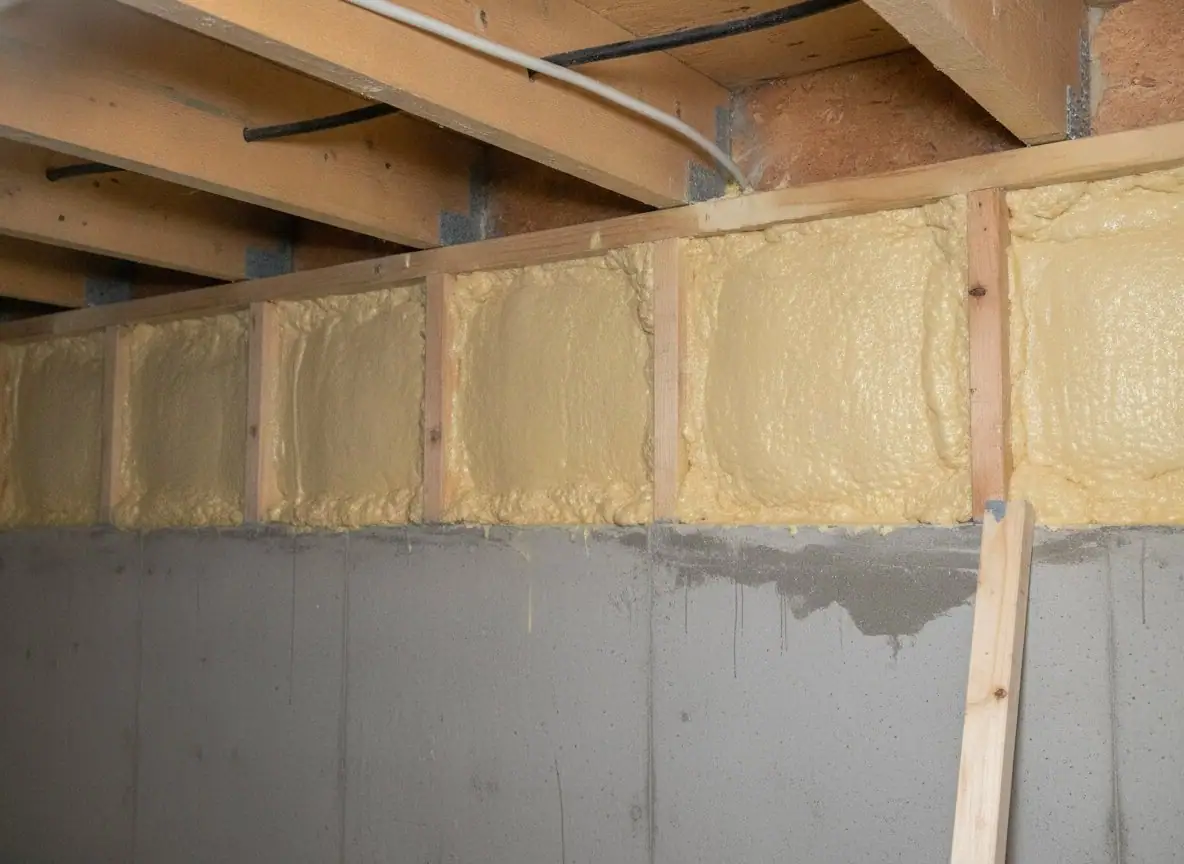
Closed-cell spray polyurethane foam is the premium solution for Signal Hill properties with moisture challenges, irregular joist spacing, or locations near the hilltop where wind-driven air infiltration is pronounced. Closed-cell foam achieves R-6 to R-7 per inch, provides a built-in vapor barrier, and adheres structurally to wood surfaces. Learn more about our spray foam insulation services
Blown-In Insulation
Cellulose or fiberglass blown-in insulation is ideal for floor cavities with obstructions, complex framing geometry, or limited crawl space access. Explore our blow-in insulation options Commonly used in older Signal Hill homes with non-standard framing from the 1940s and 1950s construction era.
Rigid Foam Board
Polyisocyanurate or XPS rigid foam panels are used for insulating slab-on-grade floors from above or below, particularly relevant in Signal Hill’s newer western-slope condominium developments. Rigid board provides high R-value per inch with excellent moisture resistance.
Crawl Space Encapsulation
For maximum performance, we combine floor insulation with complete crawl space encapsulation, sealing the entire crawl space environment with heavy-duty vapor barriers, sealed vents, and conditioned air to eliminate the moisture conditions that degrade insulation performance on Signal Hill’s hillside properties.
Floor Insulation Cost in Signal Hill, CA
Understanding the cost of floor insulation helps Signal Hill homeowners budget accurately and avoid surprises. At Clear Price Attic Insulation, we believe in transparent pricing — no bait-and-switch quotes.
Typical Cost Ranges
- Fiberglass Batt Floor Insulation: $1.50–$3.00 per square foot installed, including labor and materials. A 1,200 sq ft crawl space floor typically costs $1,800–$3,600.
- Spray Foam Floor Insulation (Closed-Cell): $4.00–$7.00 per square foot. A 1,200 sq ft application typically costs $4,800–$8,400.
- Blown-In Floor Insulation: $2.00–$4.00 per square foot, or $2,400–$4,800 for a 1,200 sq ft floor area.
- Rigid Foam Board (Slab Applications): $3.00–$5.50 per square foot installed, $3,600–$6,600 for 1,200 sq ft.
- Old Insulation Removal: $1.00–$2.50 per square foot as an add-on service. Learn about our insulation removal service
Read moreShow less
Factors That Affect Floor Insulation Cost in Signal Hill
- Crawl Space Clearance: Homes with less than 18 inches of clearance require additional labor, increasing costs 15–25%
- Moisture Remediation Needs: Properties on Signal Hill’s northern slopes with elevated moisture may require mold treatment or enhanced vapor barriers before insulation
- Existing Insulation Removal: Many pre-1980 Signal Hill homes have deteriorated fiberglass batts that must be professionally removed first
- Access Difficulty: Hillside properties with steep lot grades and tight exterior crawl space access points add complexity
- R-Value Upgrades: Exceeding Title 24 minimums for enhanced performance adds 10–20% to material costs but delivers faster payback through energy savings
Contact us at (562) 784-7649 for a free, no-obligation on-site estimate specific to your Signal Hill property.
Signal Hill Neighborhoods We Serve
Hilltop Residential District (Temple Avenue Corridor)
Homes along and above Temple Avenue near the Hilltop Park area represent some of Signal Hill’s oldest residential construction, many dating to the late 1940s and 1950s. These properties frequently have original crawl space configurations with inadequate ventilation and deteriorated fiberglass insulation. Wind exposure at the hill’s crest accelerates floor heat loss, making closed-cell spray foam particularly effective here.
Cherry Park Neighborhood
The Cherry Park area along Cherry Avenue features a mix of mid-century single-family homes and 1970s–1980s condominium complexes. Slab-on-grade construction is common in this district, requiring above-slab rigid foam or interior floor insulation approaches rather than traditional crawl space methods.
Panorama Drive and Eastern Slope Properties
Eastern-facing hillside homes along Panorama Drive enjoy city views but face elevated moisture exposure from morning marine layer contact with cooler hill soils. Crawl space moisture readings in this corridor regularly exceed 75% RH, making complete encapsulation alongside floor insulation strongly recommended.
Dawson Avenue and California Street Residential Tracts
Post-war tract homes in this area were built rapidly to house workers and veterans and often lack any meaningful floor insulation. These properties are excellent candidates for comprehensive insulation retrofits that qualify for Southern California Edison energy efficiency rebate programs.
Floor Insulation Maintenance Tips for Signal Hill Homeowners
- Inspect Your Crawl Space Annually: Every fall before the November–March rainy season, visually inspect your crawl space for sagging insulation, moisture staining, or pest intrusion through the access hatch.
- Monitor Crawl Space Humidity: Install an inexpensive hygrometer in your crawl space and check it seasonally. Readings consistently above 60% RH indicate you need improved vapor barriers or ventilation — particularly important on Signal Hill’s moisture-prone northern slopes.
- Keep Crawl Space Vents Clear: Ensure perimeter crawl space vents are not blocked by vegetation, debris, or soil migration — common on hillside lots where seasonal rains can shift landscaping materials.
- Address Plumbing Leaks Promptly: Even minor pipe drips in the crawl space can saturate insulation within days, reducing R-value by up to 40% in wet fiberglass batts.
- Check for Pest Damage: Rodents regularly disturb or nest in floor insulation. Look for displaced batts, droppings, or entry holes at joist bays after the wet season.
- Seal New Floor Penetrations: Whenever plumbers, electricians, or HVAC technicians work in your crawl space, ensure any new penetrations through the subfloor are properly sealed afterward.
- Recheck After Major Rain Events: Following significant storms — particularly El Niño-driven rainfall events that historically impact Signal Hill — inspect for any water intrusion that may have compromised insulation.
Why Choose Clear Price Attic Insulation for Signal Hill Floor Insulation
Clear Price Attic Insulation is a locally operated insulation contractor serving Signal Hill and the surrounding communities of Long Beach, Lakewood, Carson, Compton, and the greater South Bay and Southeast Los Angeles area. Our team has direct, hands-on experience with the specific construction types, soil conditions, and microclimatic challenges that define Signal Hill properties — from the oil-field-influenced soils of the eastern slopes to the marine-layer humidity pressures of the hilltop district.
We offer transparent, itemized pricing on every project — no vague “call for quote” games, no surprise charges after work begins. Our estimators provide same-day written proposals following on-site assessments so you can make informed decisions without pressure.
Read moreShow less
Our installation teams are trained in California Title 24 energy code compliance, ensuring your floor insulation project meets or exceeds current state standards. We also assist qualifying homeowners in identifying and applying for Southern California Edison and SoCalGas energy efficiency rebate programs that can offset a portion of project costs.
We serve Signal Hill and neighboring communities including Wilmington, Harbor City, Long Beach, Bellflower, Artesia, Carson, Cerritos, Norwalk, Paramount, Lynwood, and more. Call (562) 784-7649 today.
Explore our complete attic insulation services | View our crawl space insulation solutions
FAQ
Frequently Asked Questions About Floor Insulation in Signal Hill, CA
How much does floor insulation cost in Signal Hill, CA?
Floor insulation costs in Signal Hill typically range from $1,800 to $8,400 for an average 1,200 square foot crawl space, depending on the insulation material selected. Fiberglass batts are the most economical option at $1.50–$3.00 per square foot installed, while closed-cell spray foam runs $4.00–$7.00 per square foot. Signal Hill-specific factors like hillside crawl space access difficulty, elevated moisture conditions, and existing insulation removal can affect the final price. We provide free, transparent written estimates before any work begins.
How long does floor insulation installation take in Signal Hill?
Most Signal Hill residential floor insulation projects are completed in a single day. A standard 1,000–1,500 square foot crawl space with batt insulation typically takes 6–8 hours including preparation, vapor barrier installation, insulation installation, and air sealing. Larger properties or those requiring full crawl space encapsulation may require 2 days. We schedule projects to minimize disruption to your daily routine.
Does my Signal Hill home really need floor insulation if it already has central heating?
Yes. Central heating systems work against uninsulated floors, running longer cycles to compensate for heat escaping downward through the floor assembly. Signal Hill’s marine layer climate and hillside moisture conditions mean uninsulated floors also act as entry points for cold, damp air from crawl spaces. Proper floor insulation reduces heating system runtime, extends HVAC equipment life, improves floor surface comfort, and reduces moisture-driven problems.
What R-value is required for floor insulation in Signal Hill under California code?
Signal Hill falls within California Climate Zone 9 under Title 24 energy code requirements. The minimum required R-value for floors over unconditioned crawl spaces in Climate Zone 9 is R-19. We typically recommend R-25 or higher for hillside properties with significant thermal bridging or elevated moisture exposure, which delivers better energy performance and faster return on investment given current Southern California Edison utility rates.
Should I insulate my crawl space walls or my floor joists?
Both approaches are valid but serve different purposes. Insulating floor joists (the “ceiling” of your crawl space) keeps the crawl space uncontrolled and focuses thermal protection directly under your living space. Insulating crawl space walls and encapsulating the space brings the entire crawl space within the conditioned thermal envelope, protecting pipes, HVAC equipment, and ductwork from temperature extremes. For Signal Hill hillside homes with HVAC ducts running through the crawl space, full encapsulation often delivers superior total energy performance. Our assessment will recommend the right approach for your specific property.
Can I get rebates for floor insulation in Signal Hill?
Yes. Signal Hill homeowners may qualify for energy efficiency incentives through Southern California Edison’s Energy Efficiency Programs and, for gas heating customers, SoCalGas rebate programs. Rebate amounts vary by measure, existing insulation condition, and program availability. Our team can help identify which programs your project qualifies for during the estimate process.
How do I know if my existing floor insulation needs to be replaced?
Key indicators that your Signal Hill home’s floor insulation needs replacement include: insulation batts that are visibly sagging, falling, or detached from joists; water staining or wet sections; compression to less than two-thirds of original thickness; visible mold or mildew growth; persistent musty odors in the home; or a home built before 1980 with no documented insulation history. Our free inspection includes a comprehensive crawl space assessment to determine whether repair, supplementation, or full replacement is the right approach. Learn about our insulation replacement service
Do you serve areas near Signal Hill for floor insulation?
Absolutely. In addition to Signal Hill, Clear Price Attic Insulation provides floor insulation services throughout Long Beach, Lakewood, Carson, Compton, Lynwood, Norwalk, Paramount, Bellflower, Artesia, Cerritos, Hawaiian Gardens, Seal Beach, Los Alamitos, Rossmoor, South Gate, Wilmington, Harbor City, West Carson, and East Compton. Call (562) 784-7649 to confirm service availability in your specific area.
Get Your Free Floor Insulation Estimate in Signal Hill Today
Don’t let an under-insulated floor cost you comfort, air quality, and money every month. Whether you own a hillside bungalow near Panorama Drive, a mid-century home in the Cherry Park neighborhood, or a newer property along California Street, Clear Price Attic Insulation has the local expertise and transparent pricing to deliver the right floor insulation solution for your Signal Hill home.
Our team is ready to schedule your free, no-obligation on-site assessment at your convenience. We’ll evaluate your crawl space conditions, measure your current insulation performance, identify any moisture or pest issues, and provide you with a clear, itemized written estimate — same day in most cases.
Call us now at (562) 784-7649 or reach out online to book your appointment. Serving Signal Hill and all surrounding South Bay and Southeast Los Angeles communities.
Get in touch
Find insulation help near you
Request a free estimate online or give us a call — our team will follow up quickly.
- Call us(562) 784-7649
- Visit1653 E 28th St #6, Signal Hill, CA 90755
- HoursMon-Sun 07:00-19:00