
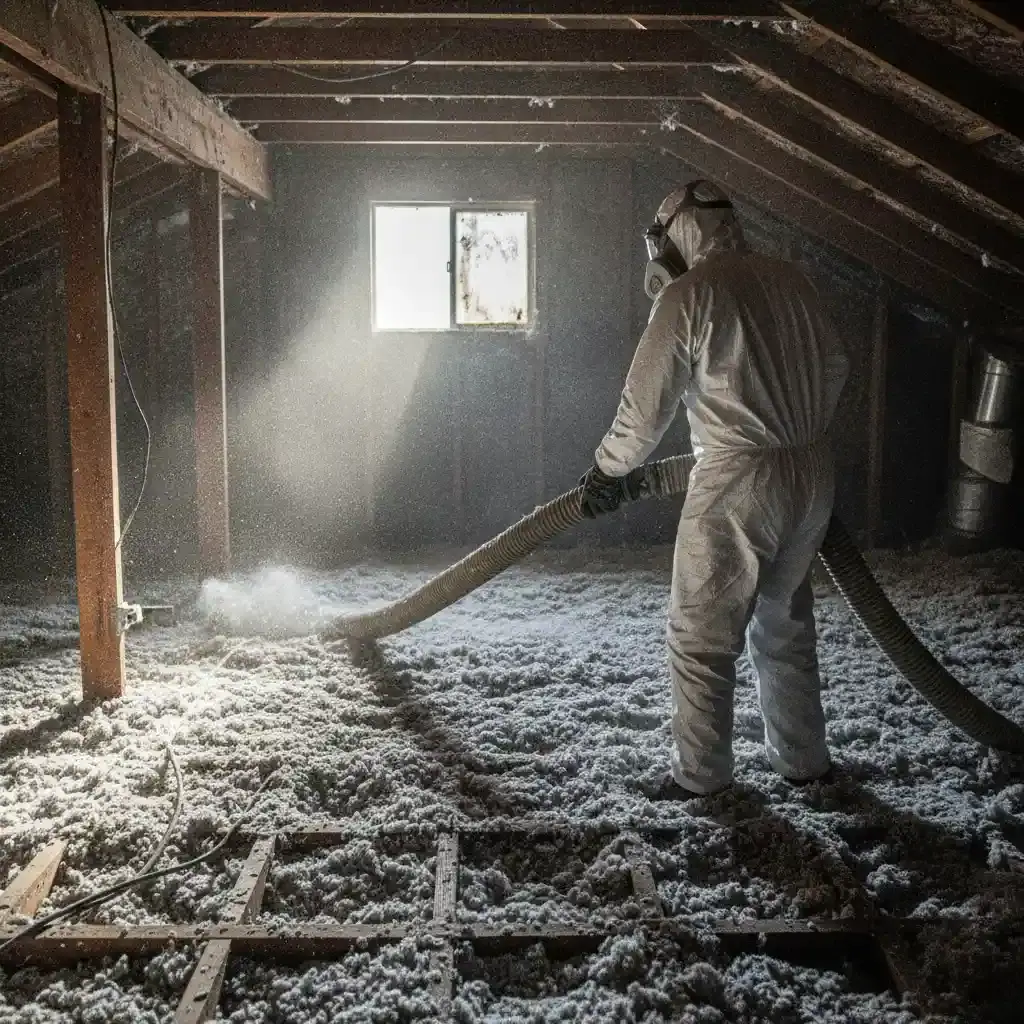
Blown-In Attic Insulation in Signal Hill, CA
Energy-Saving Blown-In Attic Insulation for Signal Hill, CA Homes — Licensed & Insured
Get professional blown-in attic insulation in Signal Hill, CA. Clear Price Attic Insulation offers honest pricing & R-38 results. Call (562) 784-7649 today.
Blown-in attic insulation is one of the most efficient and cost-effective methods for improving a home’s thermal performance — and for Signal Hill homeowners, it delivers exceptional results given the city’s unique coastal climate and diverse housing stock. This technique involves pneumatically installing loose-fill insulation material (typically cellulose or fiberglass) directly into your attic cavity, filling every corner, gap, and irregular space to create a seamless thermal envelope.
Signal Hill’s hillside geography, marine layer influence, and mix of mid-century and contemporary homes create specific insulation challenges that demand a locally informed approach. At Clear Price Attic Insulation, we specialize in blown-in attic insulation solutions designed precisely for Southern California’s South Bay conditions. Whether your home sits at the crest of Signal Hill or in the residential corridors near E. Spring Street, we bring the technical expertise and honest pricing that Signal Hill homeowners deserve. Call us today at (562) 784-7649 to schedule your free attic assessment.
Understanding Blown-In Attic Insulation
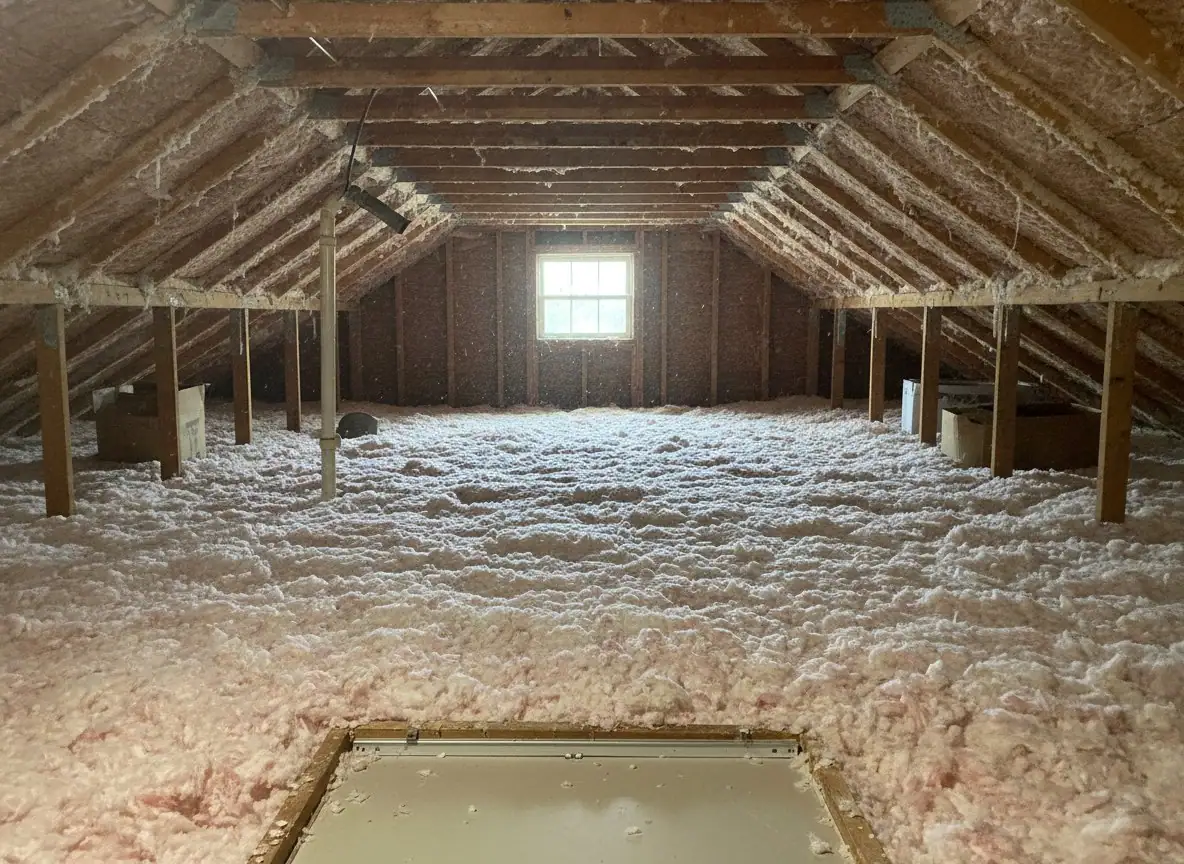
Blown-in attic insulation — also called loose-fill insulation — is an installation method that uses a specialized blowing machine to distribute insulation material throughout an attic space. Unlike batts or rolls that require precise cutting around joists and obstructions, blown-in insulation conforms naturally to irregular shapes, existing structural elements, and previously insulated areas, making it especially practical for retrofit projects.
The two most common materials used in blown-in applications are cellulose and fiberglass. Cellulose, made from recycled paper products treated with fire retardants, offers excellent coverage and a high recycled content — typically around 80%. Fiberglass loose-fill, composed of fine glass fibers, is lightweight, moisture-resistant, and particularly suitable for humid coastal environments like Signal Hill’s marine-layer-influenced climate.
Read moreShow less
Historically, blown-in insulation gained widespread adoption in the United States during the energy crises of the 1970s when federal and state programs encouraged homeowners to retrofit aging housing stock for energy efficiency. In California, Title 24 energy codes have since established minimum R-value requirements — currently R-38 for attics in Southern California’s Climate Zone 8, which covers Signal Hill. Many homes built before the 1980s fall significantly short of this benchmark.
Signal Hill’s housing landscape reflects the city’s oil boom origins. Many homes were constructed between the 1940s and 1970s, an era when attic insulation was minimal or absent altogether. Mid-century bungalows, postwar cottages, and small ranch-style homes dominate the older residential tracts around Temple Avenue and Cherry Avenue. These structures commonly have shallow attic cavities, older vermiculite or fiberglass batt remnants, and ventilation systems that weren’t designed with modern energy codes in mind. Blown-in insulation is ideally suited to these existing conditions, allowing installation without tearing out walls or disrupting the original structure.
Modern blown-in applications can also be combined with air sealing procedures — a practice we strongly recommend for Signal Hill homes — to address both heat transfer and air infiltration simultaneously. This dual approach significantly outperforms insulation-only treatments in real-world energy performance.
Signs You Need Blown-In Attic Insulation in Signal Hill
Energy and Comfort Indicators
- Monthly Edison bills that spike dramatically between June and October despite consistent usage habits
- Rooms directly beneath the roofline — especially bedrooms on the top floor — that feel noticeably hotter than the rest of the house during afternoon hours
- Your HVAC system runs continuously on warm days without reaching the thermostat setpoint
- Uncomfortable drafts near ceiling light fixtures, recessed lighting, or attic access hatches
Visual and Structural Indicators
- Attic insulation visible between joists that appears compressed, discolored, or less than 10–12 inches deep (indicating R-values below current code)
- Visible daylight through roof sheathing gaps or soffit areas during an attic inspection
- Ice dams along rooflines — rare in Signal Hill, but possible during unusual cold snaps — indicating significant heat escape through the attic floor
- Water stains or dark discoloration on attic decking, which can indicate condensation from inadequate vapor management combined with marine layer moisture
Urgent Situations
- Presence of old vermiculite insulation, which may contain asbestos and requires professional testing before any new insulation is added
- Musty odors in upstairs rooms, a potential sign of mold developing in a moisture-laden, poorly insulated attic
- Pest evidence (rodent droppings, nesting materials) within existing insulation — contaminated insulation requires removal and replacement before new blown-in product is installed
Free, no-obligation estimates
Talk to Clear Price Attic Insulation
Tell us what you need and we’ll take it from there.
Blown-In Insulation Methods and Approaches
Loose-Fill Cellulose
Cellulose blown-in insulation is our most frequently recommended product for Signal Hill homes with standard wood-framed attic floors. Made from 80% post-consumer recycled newsprint and treated with borate-based fire and pest retardants, cellulose achieves an R-value of approximately 3.2 to 3.8 per inch. Its dense packing capability makes it excellent for homes with irregular joist spacing common in 1950s and 1960s Signal Hill construction. The borate treatment also provides inherent pest resistance — a meaningful benefit in Southern California’s year-round warm climate.
Loose-Fill Fiberglass
Fiberglass loose-fill is particularly appropriate for Signal Hill homes with attic moisture concerns related to the marine layer. With an R-value of approximately 2.2 to 2.7 per inch, fiberglass requires slightly greater depth to achieve R-38, but its inorganic composition means it will not absorb moisture or support mold growth. We recommend fiberglass for homes with documented condensation history or compromised vapor barriers.
Dense-Pack Blown-In for Enclosed Cavities
For Signal Hill homes where insulation must be added to enclosed wall cavities or cathedral ceiling sections — common in the Craftsman-influenced homes near Temple Avenue — we use dense-pack installation. This method fills enclosed spaces at a higher density (3–3.5 lbs per cubic foot for cellulose) to prevent settling and achieve superior air-stopping performance. Compare with our spray foam insulation options.
Hybrid Air Seal and Blown-In Systems
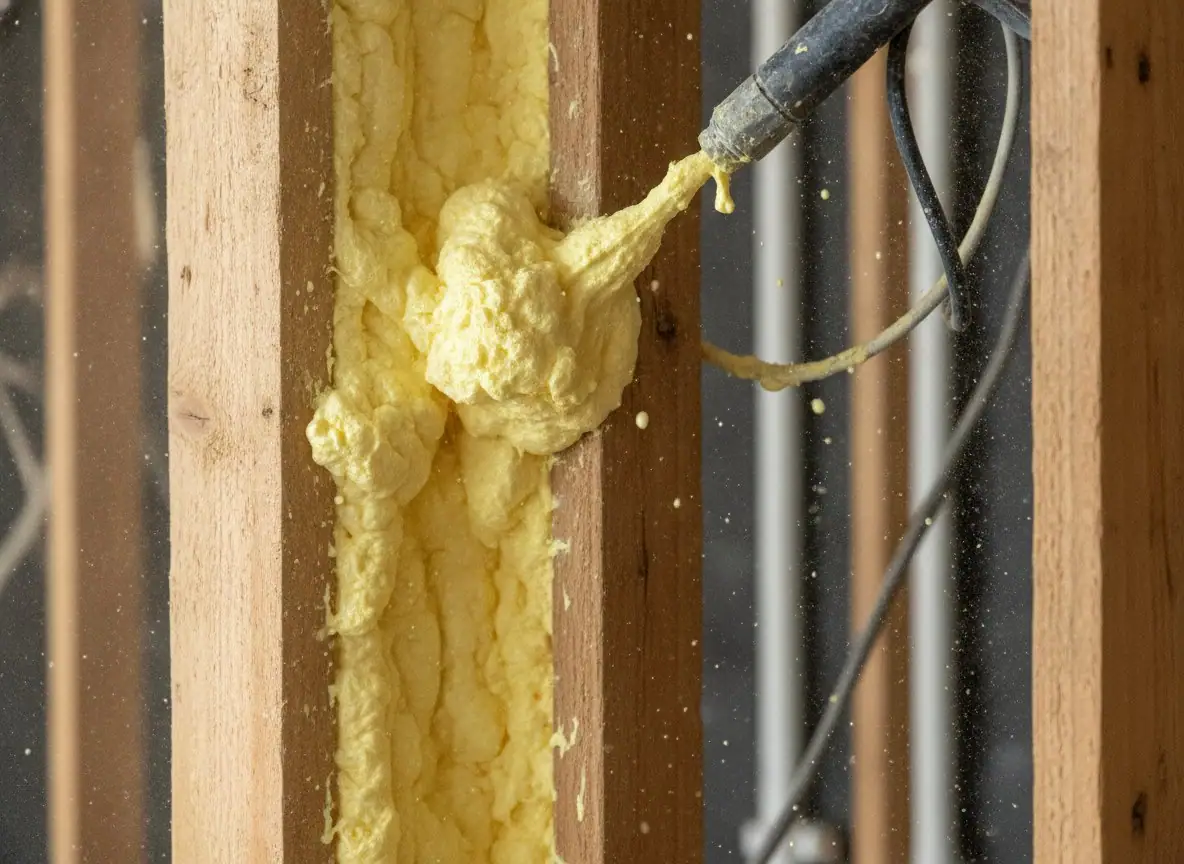
Our highest-performance option combines spray foam air sealing at all penetrations with blown-in cellulose or fiberglass over the top. This hybrid approach is ideal for Signal Hill’s older homes and delivers the greatest energy savings — typically 25–35% reduction in HVAC energy consumption based on California Energy Commission modeling data for Climate Zone 8 residential buildings.
Blown-In Attic Insulation Cost in Signal Hill, CA
Understanding blown-in attic insulation costs in Signal Hill requires accounting for several local and project-specific variables. At Clear Price Attic Insulation, we believe in transparent, itemized pricing — no vague estimates, no surprise charges after the job starts.
Typical Price Ranges
- Standard blown-in installation (existing attic, no removal needed): $1,200 – $2,800 for a typical Signal Hill home (1,200–2,000 sq ft attic floor area)
- With air sealing package: Add $300 – $700 depending on number of penetrations identified
- Insulation removal and replacement: $1,800 – $4,500 depending on material type, depth, and contamination status
- Dense-pack enclosed cavity work: $3.00 – $6.00 per square foot of wall or ceiling cavity area
Read moreShow less
Factors That Affect Your Specific Cost
- Existing insulation depth: Homes that need to go from R-11 to R-38 require more material than those starting at R-19
- Attic accessibility: Some Signal Hill hillside homes have attics with very low headroom or unconventional roof lines requiring additional labor
- Hazardous material removal: Homes with asbestos-containing insulation require certified abatement, which is priced separately
- Material choice: Cellulose typically runs 10–15% less per square foot than premium fiberglass loose-fill
Available Incentives
Southern California Edison’s residential rebate program currently offers incentives for qualifying attic insulation upgrades. California’s TECH Clean California initiative may also provide additional rebates for whole-home weatherization projects. We can help identify applicable programs during your assessment. View detailed cost information for blown-in insulation.

Signal Hill Neighborhoods We Serve
Summit District (E. Willow Street to Skyline Drive)
Signal Hill’s highest-elevation residential areas offer spectacular views but significant wind exposure and direct sun loading. Many homes here were built in the 1960s–1970s boom following the city’s incorporation in 1924 and the decline of active oil production. Flat and low-pitched roofs are common, limiting attic depth and making proper blown-in depth management critical.
Cherry Avenue Corridor
The residential streets off Cherry Avenue represent some of Signal Hill’s most established single-family neighborhoods. Home ages range from 1940s postwar bungalows to 1980s tract homes. We frequently encounter original fiberglass batts that have compressed to less than half their original thickness in these properties.
Temple Avenue and Spring Street Areas
This mixed-use transitional zone includes older single-family homes and small multi-unit buildings. Shared attic walls in older duplexes require careful air-sealing between units before blown-in installation. Marine layer moisture infiltration is especially pronounced in these lower-elevation Signal Hill properties near the Long Beach boundary.
We also serve homeowners throughout the broader service area including Long Beach, Lakewood, Compton, and Carson.
Attic Insulation Maintenance Tips for Signal Hill Homeowners
- Inspect your attic annually: Schedule a visual check each fall before Southern California’s cooler season begins. Look for compressed areas, moisture staining, or pest activity.
- Monitor soffit and ridge vents: Signal Hill’s coastal winds deposit organic debris that can clog ventilation openings. Clear blockages every 12 months to maintain proper airflow and prevent moisture buildup.
- Check attic hatch seals: The attic access panel is often the single largest air leakage point in Signal Hill homes. Replace weatherstripping every 2–3 years and ensure the hatch cover itself is insulated to at least R-30.
- Watch for signs of marine layer moisture intrusion: After extended foggy periods (typical in June and July), check for condensation on attic structural members. Persistent moisture signals a ventilation imbalance.
- Keep HVAC ductwork sealed: If you have ducts running through your attic, check for disconnected joints or gaps annually. Leaky ducts in a poorly insulated attic waste significant energy.
- Document insulation depth: Photograph your attic’s depth ruler markers after installation. Recheck every 5 years; blown-in insulation can settle 10–15% over time and may need a top-up application.
- Act immediately on pest evidence: Rats and roof mice are common in Signal Hill’s hillside setting. Any sign of nesting in insulation requires prompt removal and replacement to prevent health hazards and insulation degradation.
Why Choose Clear Price Attic Insulation in Signal Hill
Clear Price Attic Insulation has built its reputation on exactly what our name promises: honest, transparent pricing and dependable installation quality throughout the South Bay and Long Beach areas. We don’t use teaser quotes or bait-and-switch estimates. Every job begins with a detailed, written assessment that clearly explains what we find, what we recommend, and exactly what it will cost before any work begins.
Our technicians are trained specifically in Southern California’s coastal climate conditions, the building types common to Signal Hill’s housing stock, and California Title 24 compliance requirements. We understand that your Signal Hill home faces a specific combination of marine moisture, seismic risk, aging construction, and high utility rates that demand locally informed solutions — not a one-size-fits-all approach.
Read moreShow less
We serve Signal Hill and the surrounding communities of Long Beach, Carson, Lakewood, Compton, Cerritos, Norwalk, Lynwood, Bellflower, and dozens more South Bay neighborhoods. When you call us at (562) 784-7649, you speak directly with someone who knows your area. Learn more about our team and service commitment.
FAQ
Frequently Asked Questions About Blown-In Attic Insulation in Signal Hill
How much does blown-in attic insulation cost in Signal Hill, CA?
For a typical Signal Hill home with an attic floor area of 1,200–2,000 square feet, blown-in attic insulation installation typically costs between $1,200 and $2,800. Homes requiring prior insulation removal, air sealing work, or hazardous material abatement will see higher totals. We provide fully itemized written quotes at no charge after our attic assessment.
How long does blown-in attic insulation installation take?
Most Signal Hill residential installations are completed in a single day. The actual blowing process takes 2–4 hours for a standard attic; air sealing adds 1–2 hours. Unusual attic configurations — like the low-pitched rooflines common in Signal Hill’s 1960s hillside homes — may require additional time. We’ll give you a precise time estimate at assessment.
Does Signal Hill’s coastal climate affect which insulation material I should choose?
Yes. The marine layer brings consistent morning humidity to Signal Hill, and homes with existing moisture management challenges may benefit more from fiberglass loose-fill, which is inorganic and will not absorb or retain moisture. Cellulose remains an excellent choice for well-ventilated attics and is often preferred for its recycled content and pest-deterrent properties. We’ll recommend the right material after reviewing your attic’s specific conditions.
What R-value is required for attic insulation in Signal Hill?
Signal Hill falls within California’s Climate Zone 8. California Title 24 requires a minimum attic insulation R-value of R-38 for new construction and significant renovations. Many older Signal Hill homes currently have R-11 or less. We always install to at least R-38 and can go to R-49 or higher for maximum energy performance.
Do I need to remove my old insulation before adding blown-in insulation?
Not always. If existing insulation is clean, dry, and free of hazardous materials, blown-in insulation can be installed directly over it to bring total depth up to code. However, if there is evidence of mold, pest contamination, asbestos-containing materials (common in Signal Hill homes built before 1978), or severe compression, removal and replacement is the right approach. Learn more about our insulation removal service.
Will blown-in insulation settle over time?
All blown-in insulation settles modestly over time — typically 10–15% over the first few years. We account for this in our installation depth targets, installing slightly above the minimum R-value to accommodate settling. Southern California’s seismic activity can contribute to minor additional settling, which is why we recommend a depth verification check every 5 years.
Can I add blown-in insulation to my Signal Hill home myself?
While home improvement stores rent blowing machines, professional installation is strongly recommended for Signal Hill homes. Correct air sealing before insulation is essential and requires knowledge of local building conditions. Improper installation can block soffit ventilation, create moisture traps, or fail to address hazardous materials — all of which carry health and code compliance risks. Professional installation also ensures California Title 24 documentation if you sell your home.
Does blown-in attic insulation help with noise reduction?
Yes. Dense blown-in cellulose in particular provides meaningful sound dampening. For Signal Hill homes near the 405 Freeway sound corridor or below flight paths into Long Beach Airport, this is a meaningful secondary benefit of a proper blown-in installation.
Get a Free Blown-In Insulation Assessment for Your Signal Hill Home
Don’t let another Southern California summer push your Edison bill higher than it needs to be. Clear Price Attic Insulation provides Signal Hill homeowners with honest assessments, transparent pricing, and professional blown-in attic insulation installation that meets California Title 24 requirements for Climate Zone 8.
Whether your home is a mid-century bungalow on Cherry Avenue, a hillside property near Skyline Drive, or a newer townhome near the Spring Street corridor, we have the local expertise to get the job done right — the first time.
Call us today at (562) 784-7649 to schedule your free, no-obligation attic inspection. We serve Signal Hill and the entire South Bay area including Long Beach, Carson, Lakewood, Cerritos, Norwalk, and beyond. Request your free assessment online.
Get in touch
Find insulation help near you
Request a free estimate online or give us a call — our team will follow up quickly.
- Call us(562) 784-7649
- Visit1653 E 28th St #6, Signal Hill, CA 90755
- HoursMon-Sun 07:00-19:00