
Rodent-resistant spray foam insulation in Signal Hill, CA is not a single product but a strategy — combining the right insulation materials, targeted sealants, and physical exclusion to deny rodents both entry and nesting space. Clear Price Attic Insulation serves Signal Hill and surrounding communities, including Long Beach, Lakewood, Carson, and Compton, with rodent-resistant insulation solutions designed for the older wood-frame and stucco housing stock common throughout this area.
Signal Hill's mild but damp coastal climate means attics and crawl spaces rarely freeze, creating year-round hospitable conditions for rats and mice seeking harborage. Understanding what materials genuinely slow rodents — and which ones only appear to — is the first step toward a lasting fix.
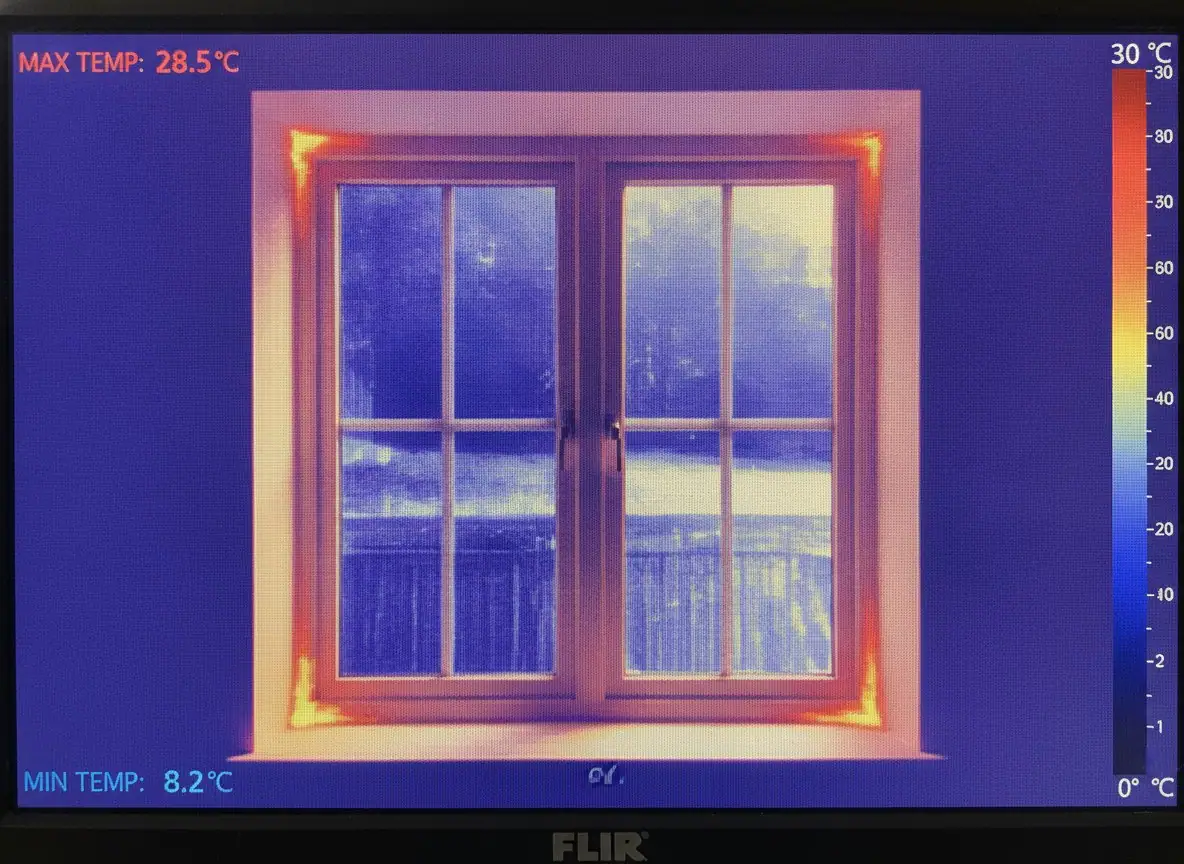
What is rodent-resistant spray foam insulation?
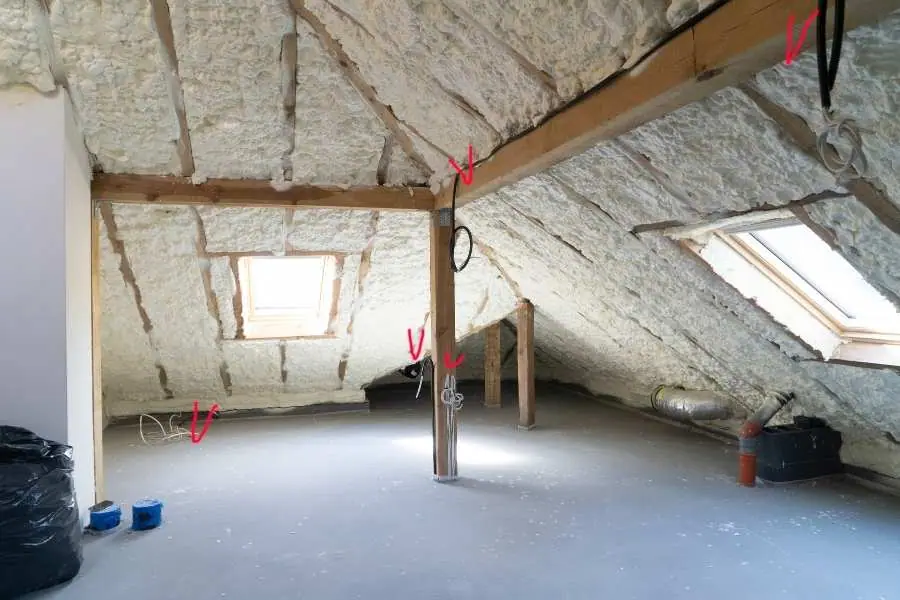
Rodent-resistant spray foam insulation refers to expanding polyurethane foam that is used specifically to seal gaps, cracks, and penetrations that rodents use as entry points, sometimes combined with additives or physical barriers intended to deter chewing. Standard spray foam — both open-cell and closed-cell varieties — does not contain a repellent or poison by itself. The "rodent-resistant" designation comes from how foam is deployed: packed into voids too small or too structurally complex for rodents to bypass, and paired with hardware cloth, sheet metal flashing, or copper mesh at larger openings where foam alone would be chewed through.
Some manufacturers produce foam products that incorporate capsaicin-based additives marketed as rodent deterrents. The evidence for long-term effectiveness of these additives is limited; rodents will often chew through treated foam once hunger or nesting drive outweighs the irritant. Relying on additive-treated foam as a standalone solution understates the problem. A properly executed rodent-resistant installation uses foam for air-sealing, rigid physical barriers for structural gaps, and an inspection protocol to verify completeness — which is exactly the approach we follow.
Knowing what spray foam can and cannot do as a pest barrier leads directly to a broader question homeowners always ask: is spray foam genuinely pest resistant in the first place?
At a glance
Is spray foam insulation pest resistant?
Spray foam insulation is pest resistant in a limited, conditional sense — it seals air gaps that pests use as pathways, but it does not physically stop a motivated rodent from chewing through it. Closed-cell foam is denser than open-cell and takes more effort to penetrate, but neither type is impenetrable. The table below gives an honest comparison across the insulation types we install.
| Insulation Type | Rodent Resistance | Pest (Insect) Resistance | Honest Limitation |
|---|---|---|---|
| Closed-Cell Spray Foam | Moderate — dense, difficult to compress | Good — no food value, seals gaps | Rats and squirrels will chew through it given sufficient motivation |
| Open-Cell Spray Foam | Low — soft, easily compressed and torn | Moderate — seals some gaps | Readily shredded for nesting material |
| Fiberglass Batts | Very Low — loose fibers are ideal nesting material | Low — does not deter insects | Rodents burrow into and contaminate fiberglass rapidly |
| Cellulose (Blown-In) | Low — soft and easily tunneled | Moderate — borate treatment deters some insects | Absorbs rodent urine; contamination spreads quickly |
| Mineral Wool / Rockwool | Moderate-High — dense, irritating to skin and airways | Good — no food value, fire resistant | Determined rodents can still push through loose-fill versions |
| Rigid Foam Board | Low on its own — chewable at edges | Moderate — depends on installation quality | Must be covered with a thermal barrier; unprotected edges are vulnerable |
The takeaway: no insulation type is fully rodent-proof without exclusion work. What material a rat physically cannot chew through is therefore the more practical question.
Free, no-obligation estimates
Talk to Clear Price Attic Insulation
Tell us what you need and we’ll take it from there.
What material can rats not bite through?
Rats cannot bite through 26-gauge or heavier galvanized steel hardware cloth, solid sheet metal flashing, concrete, and copper mesh — all materials with a hardness or structural integrity that exceeds the mechanical force of rodent incisors. Rat incisors exert enough pressure to gnaw through soft metals like aluminum, most plastics, wood, and all common insulation materials given enough time and motivation.
In practice, the most effective exclusion barrier for attic penetrations, foundation vents, and pipe chases in Signal Hill homes is 19-gauge galvanized hardware cloth with openings no larger than ¼ inch, secured with screws rather than staples. For smaller gaps — around wiring, conduit, and plumbing stubs — a combination of copper mesh stuffed tightly into the void and then sealed over with closed-cell spray foam creates a barrier that is both air-tight and physically resistant. The foam prevents the mesh from shifting and denies air movement; the mesh prevents chewing through to the other side.
Once entry points are physically blocked, the next priority is discouraging rodents from testing those barriers in the first place.
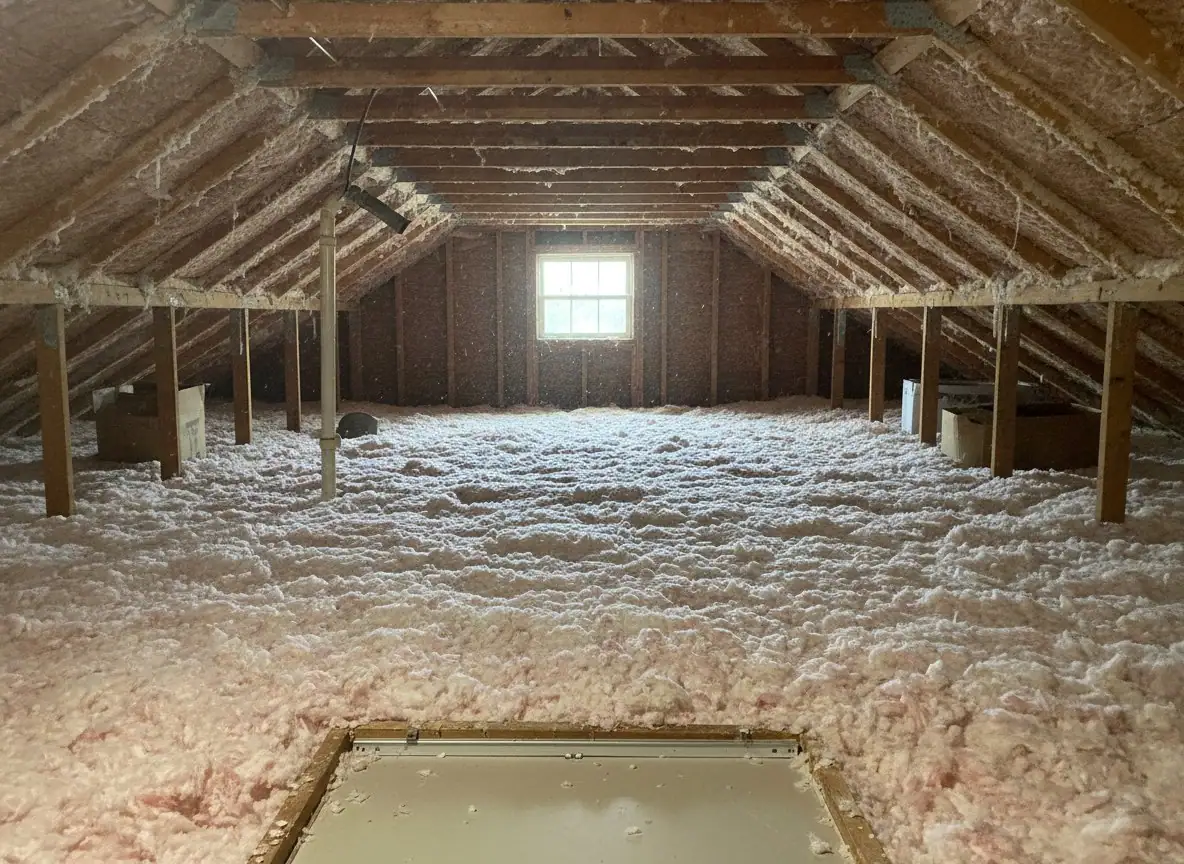
What repels mice immediately?
The most immediately effective mouse deterrents are elimination of food sources, removal of harborage material, and bright light combined with ultrasonic devices in enclosed spaces — but none of these replace physical exclusion. Peppermint oil, dryer sheets, and mothballs are frequently cited home remedies; mice habituate to all three within days. Snap traps placed along wall lines and near entry points reduce active populations quickly and give a measurable indication of pressure level before and after remediation.
In a Signal Hill attic context, "immediate" deterrence matters most during the gap between identifying an infestation and completing exclusion and re-insulation work. We recommend placing snap traps as soon as access is confirmed, removing contaminated insulation promptly (which eliminates pheromone trails that attract more mice), and scheduling exclusion sealing as the first physical step — before new insulation goes in. Installing fresh insulation over active rodent pathways is one of the most common and costly mistakes homeowners make. Whether mice can physically chew through the spray foam sealing those pathways is worth examining directly.
Can mice chew through spray foam?
Yes — mice can and regularly do chew through spray foam, particularly open-cell foam, which offers almost no mechanical resistance. Closed-cell spray foam is harder and denser, and mice are less likely to initiate chewing where there is no scent trail or draft pulling them toward a gap. However, if a mouse already knows a passage exists — because it used it before foam was applied — it will often chew back through the foam to re-enter.
This is why the sequence of treatment matters. Foam applied over an active entry point without first clearing the route and installing a physical barrier frequently fails within weeks. The correct order is: (1) identify all entry points, (2) install hardware cloth or copper mesh at structural gaps, (3) apply closed-cell foam over the mesh and around pipe penetrations, (4) remove contaminated insulation, (5) treat the space for sanitation, and (6) install fresh rodent-resistant insulation. Skipping steps two or three turns spray foam into an expensive but temporary delay. The growing awareness of spray foam's limitations has led to a broader conversation about whether spray foam has become a liability in certain installations.

Why is spray foam insulation now a red flag?
Spray foam insulation has become a red flag in real estate and home inspection circles primarily because improperly installed foam can trap moisture, void roof warranties when applied to the underside of decking without adequate vapor management, and make future repairs or inspections nearly impossible without destructive removal. These are installation and design problems, not inherent material flaws — but they appear frequently enough to have changed how inspectors and buyers view the product.
Myths vs. Facts
Myth: All spray foam is rodent-proof.
Fact: No foam product stops a motivated rodent without a physical barrier.
Myth: Spray foam with capsaicin additives provides permanent repellency.
Fact: Rodents habituate to capsaicin; additive-treated foam is not a substitute for exclusion.
Myth: Closed-cell foam seals so tightly that moisture can never be a problem.
Fact: Vapor drive can still force moisture accumulation at the foam-substrate interface if the assembly is designed incorrectly.
Myth: You can spray foam over existing rodent damage and start fresh.
Fact: Pheromone trails in contaminated insulation persist through foam; removal and sanitation come first.
Understanding why foam causes problems in certain applications explains why homeowners are actively choosing to have it removed.
Why are people removing spray foam insulation?
People remove spray foam insulation most commonly for four reasons: moisture damage discovered during a sale or renovation, failed pest exclusion that allowed rodents to nest within the foam layer, off-gassing concerns from improperly mixed two-part foam that never fully cured, and the need to access wiring or plumbing that the foam has permanently encapsulated. In Signal Hill and Long Beach, we also see removal driven by pre-sale inspections where improper foam application to roof decking raised lender red flags.
Spray foam removal is labor-intensive because cured foam bonds mechanically to wood, concrete, and metal. It must be cut, scraped, and in some cases chemically released. When foam is contaminated or has become a problem, the first step is getting it out, and we offer insulation removal and replacement as a dedicated service, ensuring the problem foam is fully cleared before new rodent-resistant insulation is installed. One concern that often surfaces during removal work is what has been growing behind the foam in the interim.
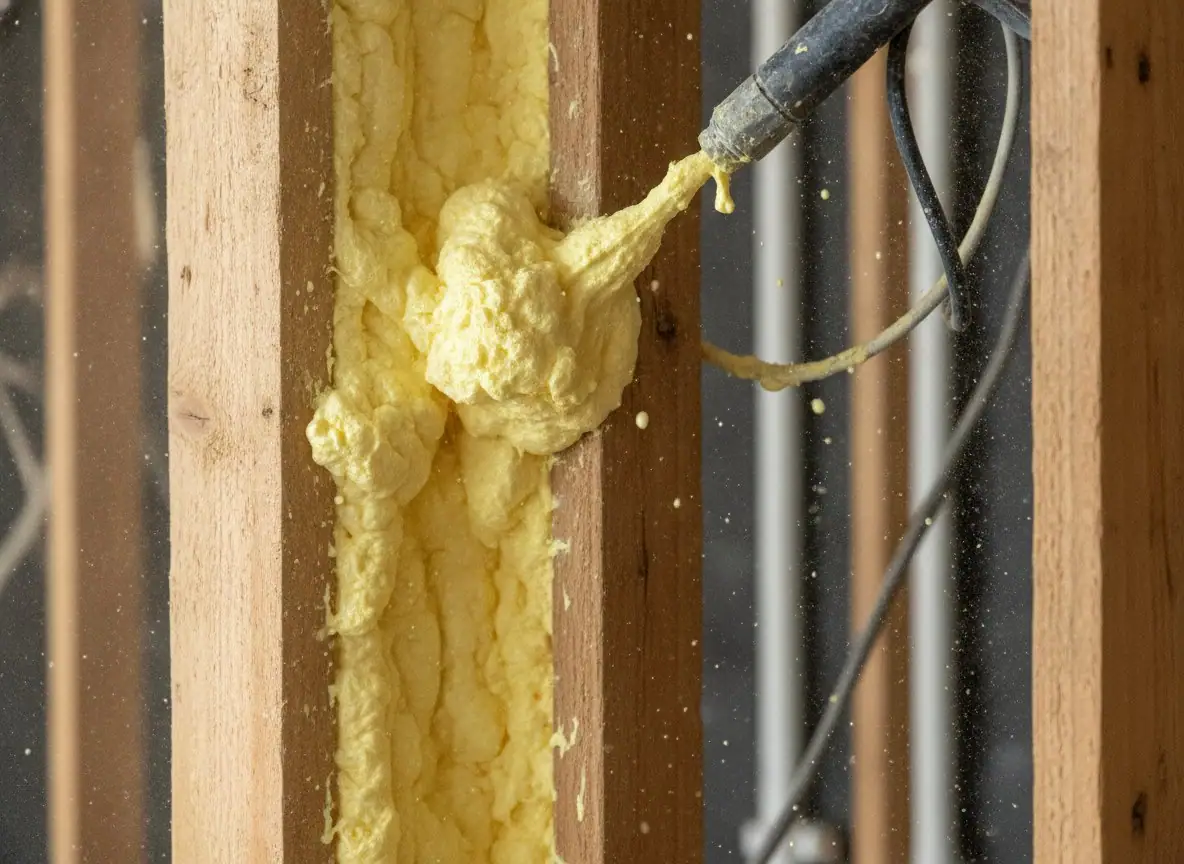
Can mold grow behind spray foam insulation?
Yes — mold can grow behind spray foam insulation when moisture is present and the foam has been applied to a substrate that cannot dry to either side. Closed-cell foam applied to the interior face of an exterior wall without a proper understanding of the local vapor drive direction can trap condensation at the wall sheathing. In Signal Hill's coastal climate, exterior humidity is relatively high year-round, and dew-point conditions occur regularly in unventilated attic and wall cavities during cooler months.
Open-cell foam is more vulnerable to this problem because it is vapor-permeable: moisture migrates through it and can accumulate at a cold surface behind it. Mold requires only a surface, moisture, and organic material — wood framing satisfies the third condition. During our free inspections, we assess existing foam for signs of moisture entrapment before recommending any remediation path. With a clear picture of what is behind the foam, the next logical question is how a proper rodent-resistant installation actually proceeds.
How is rodent-resistant insulation installed?
A rodent-resistant insulation installation follows a defined sequence; departing from this order is the most common reason re-infestation occurs after treatment.
- Inspection and mapping. We walk the attic, crawl space, and exterior perimeter to identify all active and potential entry points. In Signal Hill's older craftsman and mid-century stucco homes, common entry zones are eave gaps, deteriorated fascia boards, plumbing stubs through the top plate, and unsealed conduit sleeves.
- Population reduction. Snap traps are set inside the space. We confirm the population is no longer active before proceeding — installing barriers over live animals creates new problems.
- Contaminated insulation removal. All soiled insulation is bagged and removed. This eliminates pheromone trails and allows a clear view of the substrate for the next step.
- Sanitation. The exposed framing and substrate are treated to neutralize biological contamination from droppings and urine.
- Physical exclusion. Hardware cloth (¼-inch, 19-gauge galvanized) is cut and secured over all structural gaps larger than ¼ inch. Copper mesh is packed into smaller penetrations around pipes and wiring.
- Foam sealing. Closed-cell spray foam is applied over and around the mesh barriers to create an air-tight seal. This step locks the mesh in place and eliminates the drafts that attract rodents to gap locations.
- New insulation installation. The appropriate insulation type — mineral wool, blown-in cellulose with borate treatment, or additional closed-cell foam — is installed to achieve the target R-value for the assembly.
- Final inspection and documentation. We verify coverage, seal quality, and confirm no access points remain open. We document findings for homeowners who may need this for insurance claims.
Read moreShow less
Entry-Point Sealing and Exclusion Checklist
- Eave and soffit gaps — hardware cloth secured with screws
- Roof-wall junctions and rafter tails — inspected and sealed
- Plumbing stubs through top plate — copper mesh + closed-cell foam
- Electrical conduit penetrations — foam sealed
- Foundation vents (crawl space) — ¼-inch hardware cloth screens
- HVAC duct penetrations into conditioned space — metal collar + foam
- Garage-to-living-space wall penetrations — sealed
- Door sweeps and threshold gaps at garage and exterior doors — inspected
With the process understood, most homeowners next want to know what a project like this costs.
At a glance
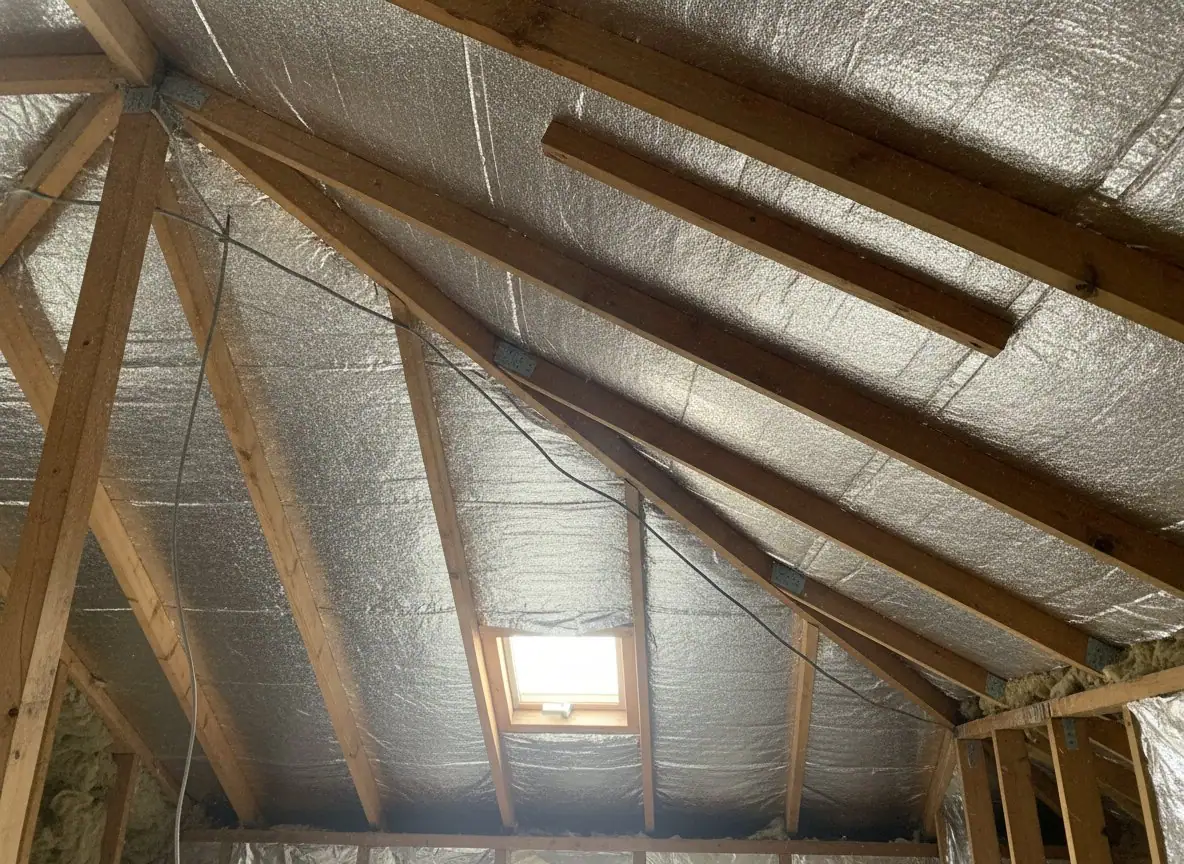
How much does rodent-resistant spray foam cost in Signal Hill?
We do not publish flat prices because every project in Signal Hill varies across several factors that meaningfully affect scope and labor, and our spray foam insulation cost page explains what drives those differences. After a free inspection, we provide a written quote with itemized line items — no surprises.
| Cost Factor | Why It Affects Price |
|---|---|
| Square footage of affected area | Larger attics or crawl spaces require more material and labor hours |
| Extent of contamination | Heavy rodent damage means more removal, bagging, sanitation, and disposal time |
| Number of entry points | Each penetration requires individual assessment and physical barrier work |
| Attic pitch and access difficulty | Low-pitch attics in many Signal Hill bungalows require manual crawling and limit equipment reach |
| Insulation material selected | Mineral wool and closed-cell foam cost more per R-value than fiberglass or cellulose |
| Existing insulation tear-out | Full removal adds labor and disposal costs beyond a simple top-up |
| Permit requirements | Signal Hill building permits may be required for certain scope levels; we advise on this during inspection |
| Financing | Financing is available; ask us for current options during your inspection |
Many homeowners in Signal Hill discover that their homeowner's insurance policy may cover a portion of rodent damage costs — which makes understanding the claims process an important next step.
Does insurance cover rodent damage to insulation?
Insurance Claim Help: We help homeowners document rodent damage for insurance claims, including written inspection reports, photo documentation, and itemized scopes of work. Contact us before you file to make sure the documentation supports your claim.
Insurance coverage for rodent damage to insulation depends on your specific policy and the cause of damage. Standard homeowner's policies typically exclude "pest infestation" as a maintenance issue — meaning gradual, long-term rodent activity is usually not covered. However, sudden and accidental damage — such as a rat chewing through wiring that then causes a secondary event — may trigger coverage under certain policy language. Some policies also cover remediation costs when rodent damage is discovered incidentally during a covered claim for another cause.
Read moreShow less
We help Signal Hill homeowners navigate this process by providing clear written documentation of what we find, the extent of damage, and what remediation is required. Presenting a professional inspection report to your insurer strengthens your claim. The right contractor relationship matters as much as the right policy language, which connects to how you should evaluate a rodent-resistant insulation contractor in this area.
Choosing a rodent-resistant insulation contractor in Signal Hill
In Signal Hill, the right rodent-resistant insulation contractor completes exclusion and insulation work as a unified scope — not as two separate vendors who may not coordinate. Pest control companies seal entry points but rarely install insulation. General insulation contractors often install over contaminated areas without proper exclusion. The gap between these two scopes is where re-infestations originate.
When evaluating a contractor, ask these questions:
- Do you remove contaminated insulation before installing new material?
- Do you install physical barriers (hardware cloth, copper mesh) at structural gaps, or only foam?
- Can you provide a written scope of work before the job begins?
- Do you offer a free inspection before quoting?
- Can you help with insurance documentation?
- Are you available for emergency calls?
Read moreShow less
Clear Price Attic Insulation handles the full scope of our insulation services in Signal Hill, including inspection, removal, sanitation coordination, exclusion, and new insulation installation, for homeowners throughout Signal Hill and surrounding communities including Lakewood, Compton, Bellflower, Norwalk, and Seal Beach. We offer free inspections, written quotes, and financing options.
24/7 Emergency Service: Active rodent infestations, damaged insulation after a storm, or sudden contamination events do not wait for business hours. We are available 24/7 for emergency inspections and service calls.
Book a free inspection
Signal Hill homeowners can schedule a free, no-obligation inspection with Clear Price Attic Insulation by calling (562) 784-7649. During the inspection, our trained technicians assess your attic, crawl space, or wall cavities for rodent activity, entry points, insulation contamination, moisture, and existing foam condition. You receive a written inspection report and a clear itemized quote — with no pressure and no hidden fees.
We serve Signal Hill and all nearby communities: Wilmington, Harbor City, Long Beach, Bellflower, Artesia, Carson, Cerritos, Compton, East Compton, Hawaiian Gardens, Lakewood, Lynwood, Norwalk, Paramount, South Gate, West Carson, Los Alamitos, Rossmoor, and Seal Beach.
Call (562) 784-7649 now to book your free inspection in Signal Hill, CA.
FAQ
FAQ
Does rodent-treated spray foam work long term?
Rodent-treated spray foam — meaning foam with capsaicin or similar additives — does not reliably work long term on its own. Rodents habituate to chemical deterrents within days to weeks. Long-term success requires physical barriers (hardware cloth, copper mesh) installed before foam is applied. Foam seals the air gap and locks the barrier in place; the mesh stops the chewing. That combination holds significantly longer than treated foam alone.
Should I seal entry points before insulating?
Yes — always seal and physically barrier all entry points before installing new insulation. Installing new material over open pathways gives rodents a warm, undisturbed nesting environment and means you will repeat the full project within months. In Signal Hill, where mild winters keep rodent activity going year-round, this sequence is especially important.
Can you spray foam over existing rodent damage?
No — not without removing contaminated material first. Rodent urine and droppings leave pheromone trails that attract new animals even after the original population is removed. Spray foam traps those odors in place rather than eliminating them. The correct approach is full removal of contaminated insulation, sanitation of the substrate, and then foam application as part of the exclusion step — before new insulation is installed.
Do mice chew through rockwool insulation?
Mice are significantly less likely to chew through or nest in mineral wool (Rockwool) compared to fiberglass or cellulose because the dense, rigid fiber structure is irritating to their skin and respiratory systems and provides poor nesting value. However, mineral wool is not physically impenetrable — a mouse moving through an attic can push through loose-fill mineral wool if no physical barrier is present at the entry point. Mineral wool performs best as infill insulation after entry points are sealed with hardware cloth and foam.
What are signs of rodents in my attic?
Common signs include dark rice-shaped droppings along joists and near entry points, urine staining visible under UV light, gnaw marks on wood framing and wiring insulation, compressed or tunneled insulation, greasy rub marks along rafters where rodents travel repeatedly, and scratching or movement sounds during early morning or evening hours. If you observe any of these in your Signal Hill home, schedule an inspection before the population grows or spreads to wall cavities.
Is closed cell or open cell better against pests?
Closed-cell spray foam is better than open-cell foam in a pest-resistance context. Closed-cell foam cures to a rigid, dense structure that takes significantly more effort to chew through than soft, spongy open-cell foam. Open-cell foam is also readily shredded by mice for nesting material. That said, neither type stops rodents without physical barriers at structural gaps. Use closed cell spray foam as the sealing layer over hardware cloth or copper mesh — not as a standalone rodent barrier.
Why choose us
Why choose Clear Price Attic Insulation?
Free estimates
Get a clear, no-obligation estimate before any work begins.
Licensed & insured
Your property and our crew are protected on every project.
Residential & commercial
One team for homes, multi-family and commercial properties.
Locally owned & operated
A local team serving your community and the surrounding area.
Get in touch
Find insulation help near you
Request a free estimate online or give us a call — our team will follow up quickly.
- Call us(562) 784-7649
- Visit1653 E 28th St #6, Signal Hill, CA 90755
- HoursMon-Sun 07:00-19:00